Skip to content
Search
Menu

We earn a commission if you book through this link. You pay the same price.

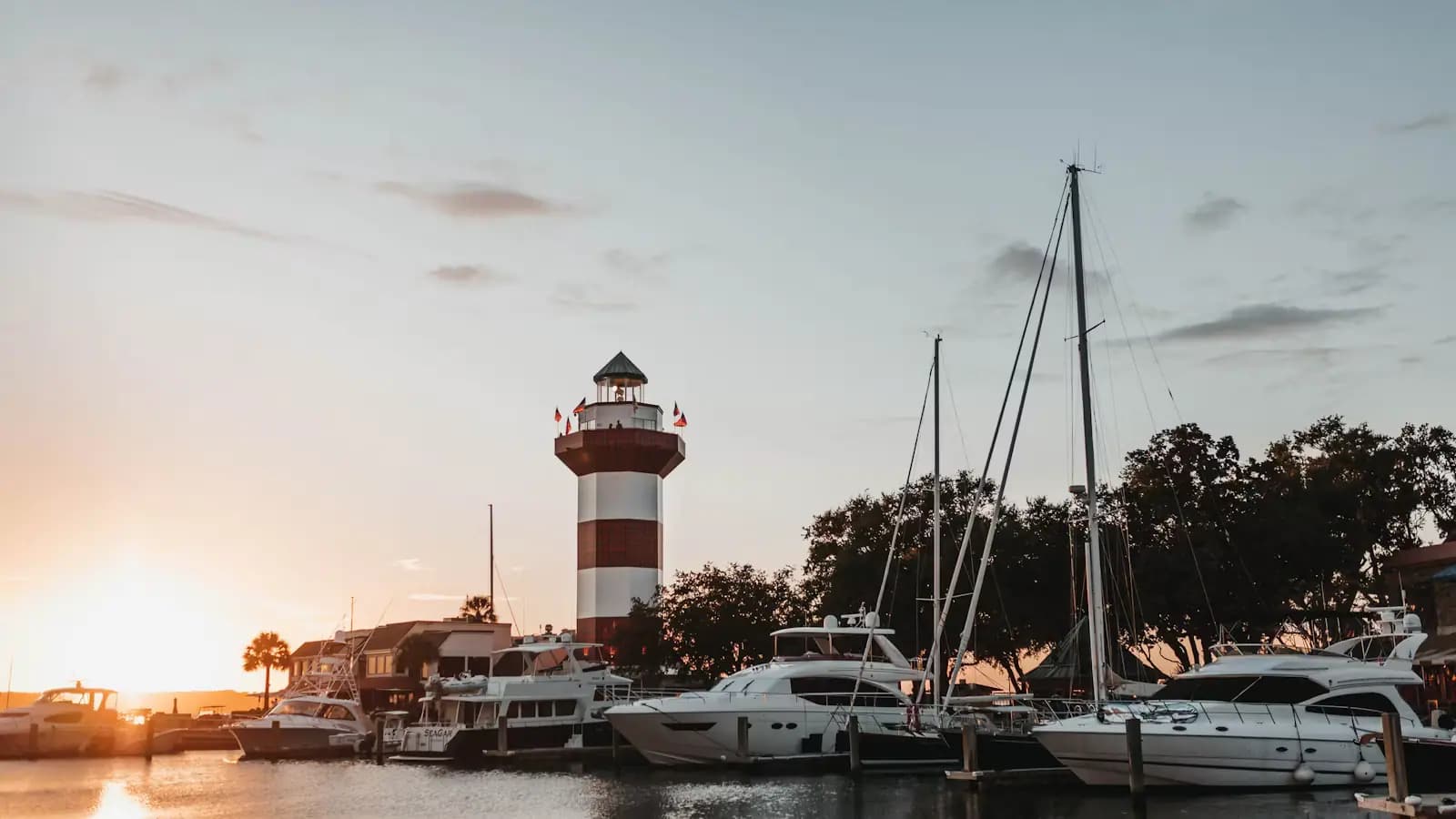
Boats moored in a harbour basin below a lighthouse tower
Unsplash

Attraction directory

Biloxi Attractions: Every Place Worth Finding, and Where It Sits

Last updated

Every Biloxi attraction that earns the drive, mapped along one road: the 1848 lighthouse, Point Cadet, the Gehry museum campus and the islands offshore.

  • 26Places listed
  • 16Free to visit
  • 10Areas

Almost everything on this list is on one road or reached from it. US 90 runs the length of the Biloxi peninsula with the Mississippi Sound on the south side and the city on the north, and the attractions arrange themselves along it like beads: Beauvoir and the Ohr-O'Keefe campus toward the west end, the lighthouse standing in the median at the middle, the Town Green and the ballpark a block inland, and the harbour and the seafood museum out at Point Cadet where the road finally runs out of peninsula. Two bridges add the rest. East over the Biloxi Bay Bridge is Ocean Springs; west along the beach road is Gulfport, the aquarium and the dock where the island ferry sails from.

That geography is why this page is ordered by place rather than by type. On a coast where the only through route is a signalled four-lane highway, whether two things sit at the same end of the peninsula changes your day far more than whether they are both museums.

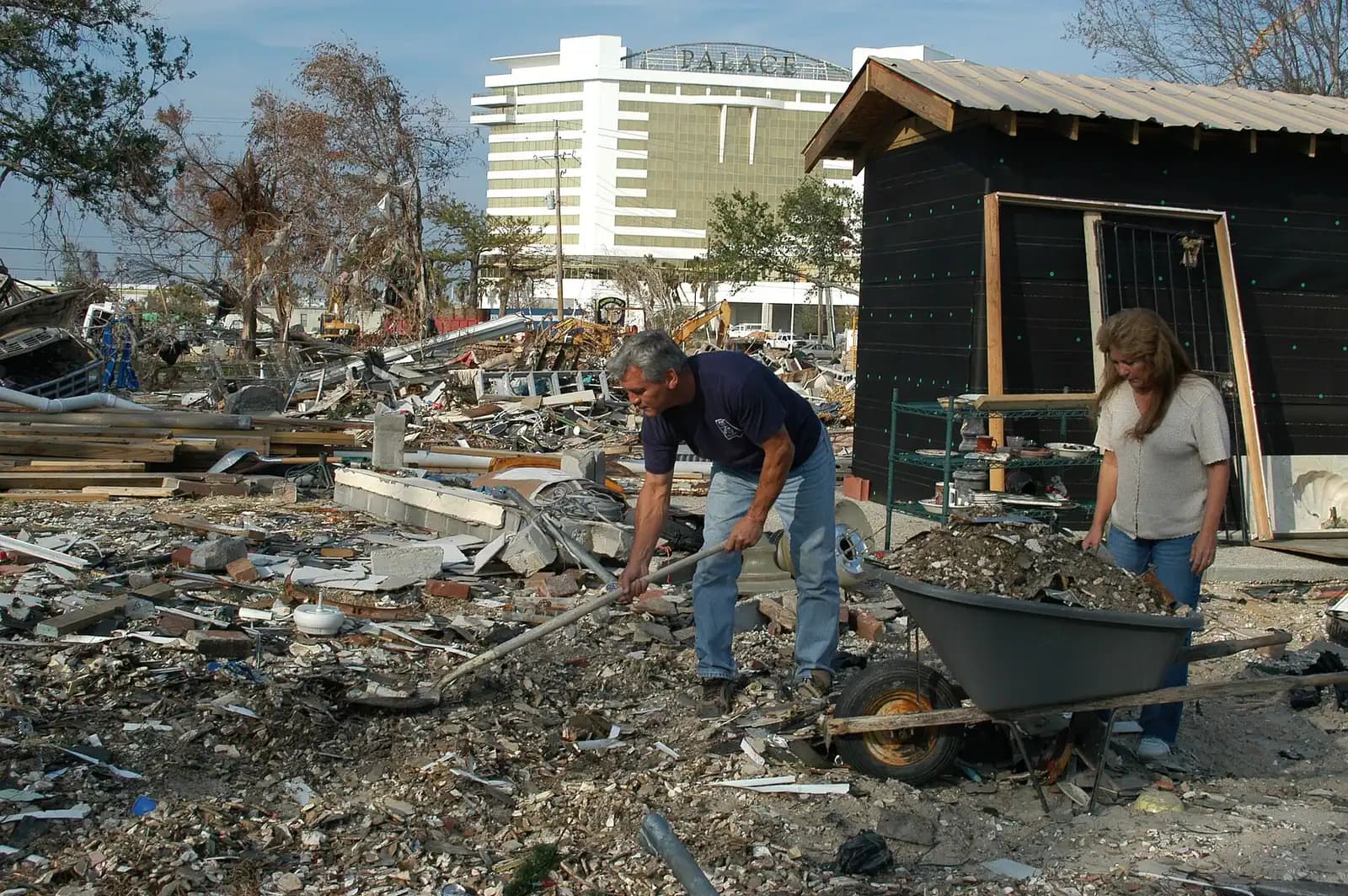
A second organising fact: most of what you can see here is younger than 2006. Katrina's surge ran to roughly twenty-two feet through this waterfront on 29 August 2005, and the rebuilding decided which landmarks survived and which are now a lawn with a set of front steps on it. The 1848 lighthouse came through. The bridge to Ocean Springs did not, and its replacement opened in November 2007 with a walking path added. An 1850s brick house called Tullis-Toledano Manor stood on Beach Boulevard until a moored casino barge came ashore into it. Knowing which category a thing falls into is most of what makes a walk along this shore legible.

The third thing to hold onto is that the best attraction in the destination is not in Biloxi at all. Ship Island lies twelve miles out in the Sound, inside Gulf Islands National Seashore, with Fort Massachusetts on it and the only clear Gulf water within reach. The ferry to it leaves from Gulfport, takes about an hour each way, and sails from the middle of March to the end of October. Everything else on this page is available all year. That one is not, and it should be the first thing you check.

We rank these by an editorial score rather than by visitor numbers, weighted toward places that reward an hour of attention and against places that photograph better than they visit. Where a thing is free we say so. Where it needs a boat, a ticket or a reservation, we say that too, and we hedge hours and prices rather than inventing them, because on this coast both move with the season.

How this list is ordered

The editorial score behind the ranking is ours and it is not a popularity measure. Three things push a place up it.

Does it explain something? The Maritime and Seafood Industry Museum ranks high not because it is large but because an hour there makes the rest of the coast readable: why the harbour is where it is, why the schooners were rigged that way, who is on the boats now. The Katrina Memorial does the same job in twenty minutes.

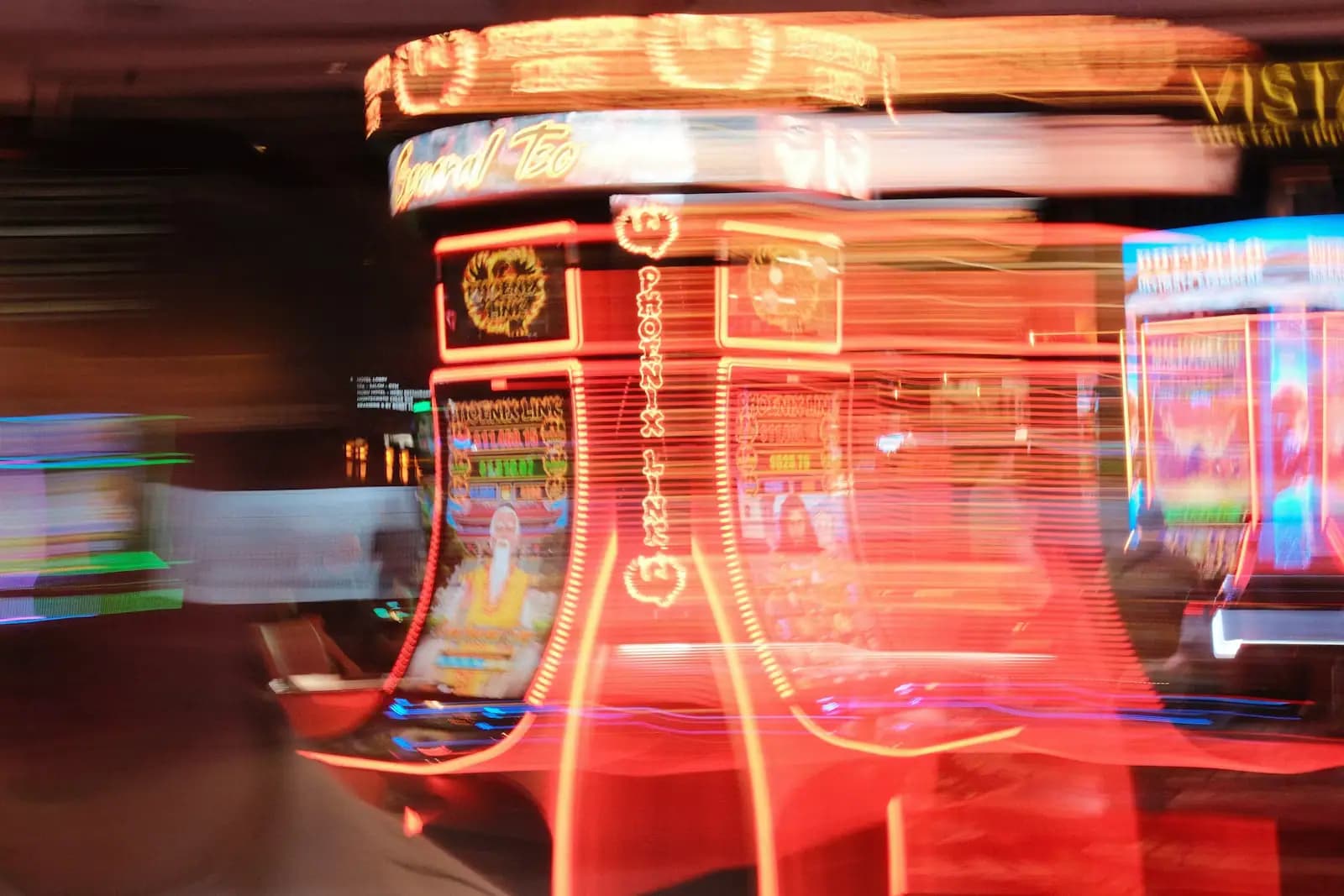
Is it unrepeatable? A Frank Gehry campus built to hold the pots of a self-described mad potter exists in exactly one place. A cast-iron lighthouse standing between four lanes of traffic exists in exactly one place. A casino floor does not, and the casino resorts rank where they do because what is distinctive about them here is the law that shaped them rather than the gaming.

Does it hold up on the day? Weather, season and access all count. Ship Island is the best thing in this pack for seven and a half months of the year and entirely unavailable for the other four and a half, so the score carries that caveat rather than hiding it.

What pushes a place down: entry that depends on an unpublished schedule, a view that is better from the road than from inside, and anything whose interest is entirely in what used to be there.

The middle: the lighthouse, the Town Green and the ballpark

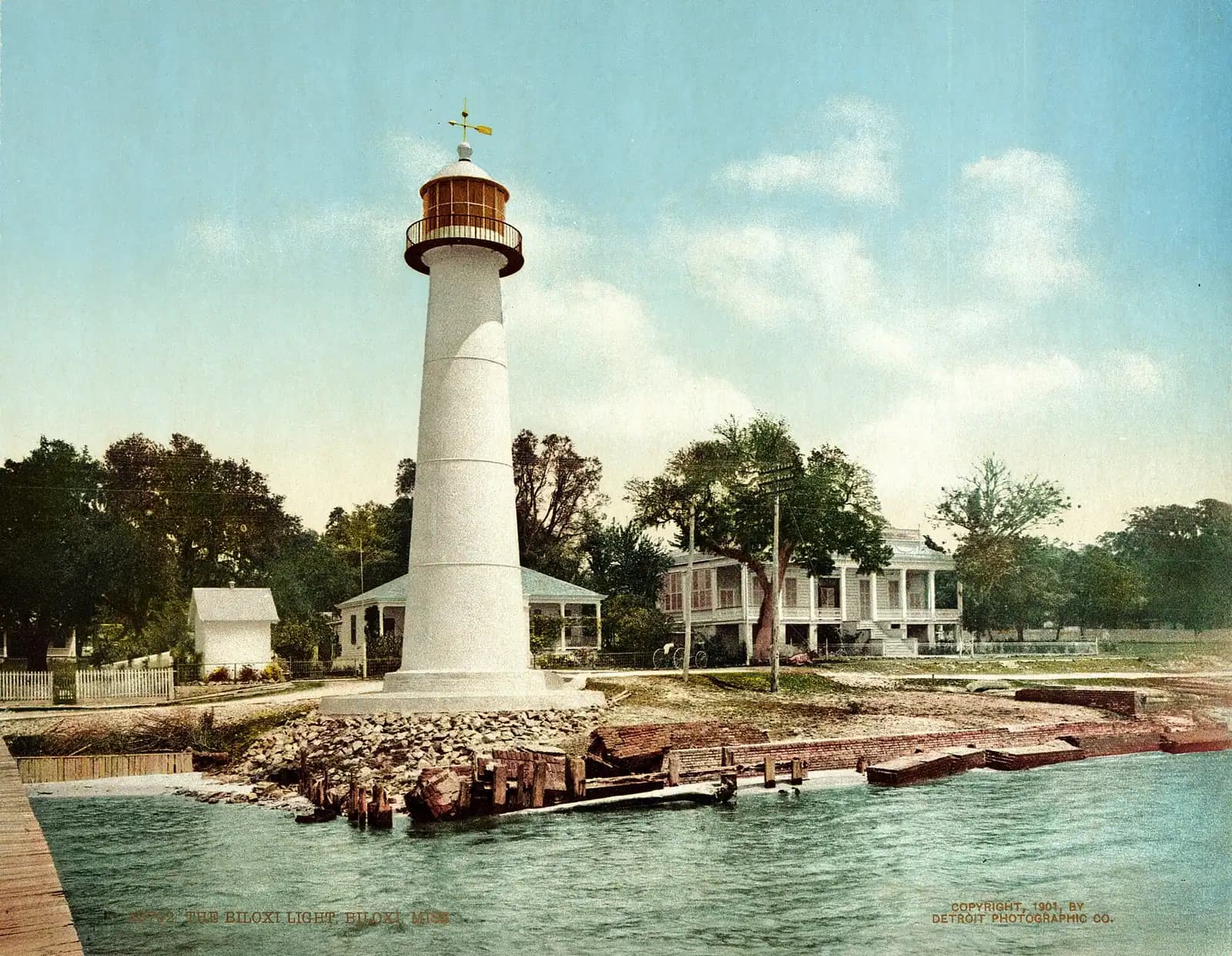
The Biloxi Lighthouse is the city's symbol and its strangest sight. Cast iron, first lit in 1848, a bit over sixty feet tall, and standing in the median of US 90 with two lanes of traffic passing on either side. The road was built around it rather than the other way round. It came through Katrina standing, though the brick lining inside was badly damaged and needed rebuilding. Climbing tours are ticketed and run from the visitors centre across the road; the schedule changes, so ask there rather than turning up.

The Biloxi Visitors Center, on the north side of the highway immediately opposite, is more useful than visitor centres usually are: it is the ticket point for the lighthouse and the best place on the coast to get a straight answer about what is currently running.

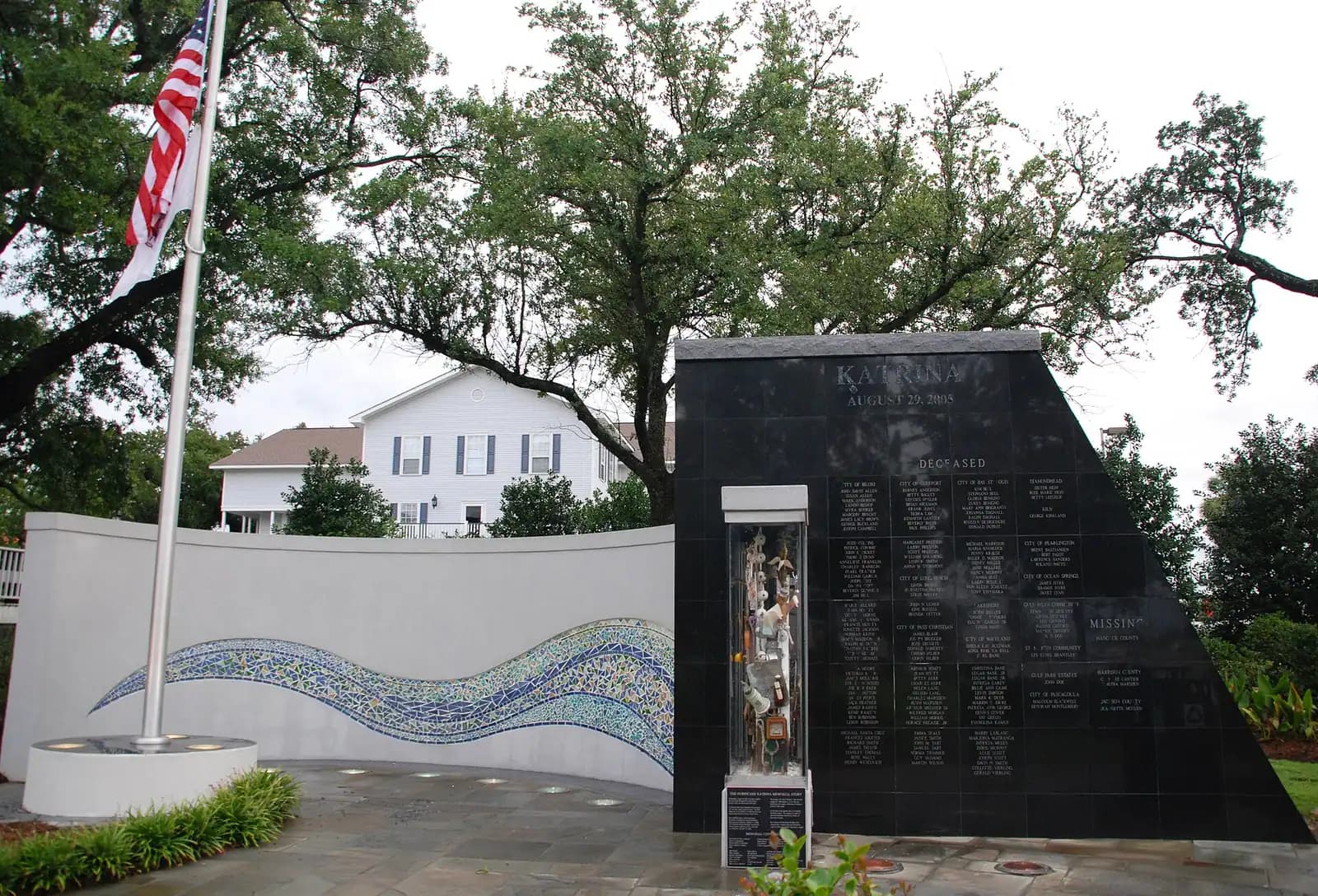
The Katrina Memorial stands on the Town Green a short walk away and carries a hundred and seventy names. It costs nothing, it takes twenty minutes, and it changes how the rest of the waterfront reads.

Keesler Federal Park is the downtown ballpark, opened in June 2015 as MGM Park and renamed in 2023. It seats around six thousand, and the Biloxi Shuckers play there in the Double-A Southern League as a Milwaukee Brewers affiliate. A summer evening game is one of the cheapest good nights in the city and the ballpark sits within walking distance of the casino strip, which is not a sentence you can write about many minor-league parks.

The east end: Point Cadet and the Small Craft Harbor

Keep driving east until the peninsula ends and you arrive at the part of Biloxi that is still doing what Biloxi was famous for. Almost nobody staying on the strip makes the five-minute trip.

The Maritime and Seafood Industry Museum covers three centuries of working this water: oyster and shrimp canning, net making, wooden boat building, the hurricanes, and the arrival from the late 1970s of the Vietnamese-American fleet that by the end of the 1980s accounted for roughly half of Mississippi's shrimpers. It is the single best hour of explanation available on this coast.

The Biloxi Schooners are kept at the pier beside it. The Glenn L. Swetman and the Mike Sekul are replicas of the two-masted working boats that dredged the oyster reefs under sail into the early twentieth century, and they are named after men who built and ran the originals. The museum sails them and offers public trips seasonally; the pattern changes, so ask rather than assume.

The Biloxi Small Craft Harbor is the working basin, free to walk around, and best in the early morning or the late afternoon when boats are moving, ice is going aboard and nets are being mended on the dock.

Point Cadet itself is the neighbourhood, and it is where the Vietnamese-American community that reshaped the fleet settled. Come hungry.

The west end: a Gehry campus and a contested house

The Ohr-O'Keefe Museum of Art is the most architecturally significant building on the Mississippi coast and it was built for a potter almost nobody bought from in his lifetime. George Ohr, who advertised himself as the Mad Potter of Biloxi, threw walls thinner than his contemporaries thought physically possible and then crumpled, folded and pinched them while the clay was still wet. He died in 1918 with thousands of pieces unsold in storage. Frank Gehry designed the campus that now holds them as a scatter of metal-skinned pods set among live oaks rather than one building, and walking between them is half the visit. Published visiting hours at the time of writing are Tuesday to Saturday with adult admission around twelve dollars. Check before you drive over.

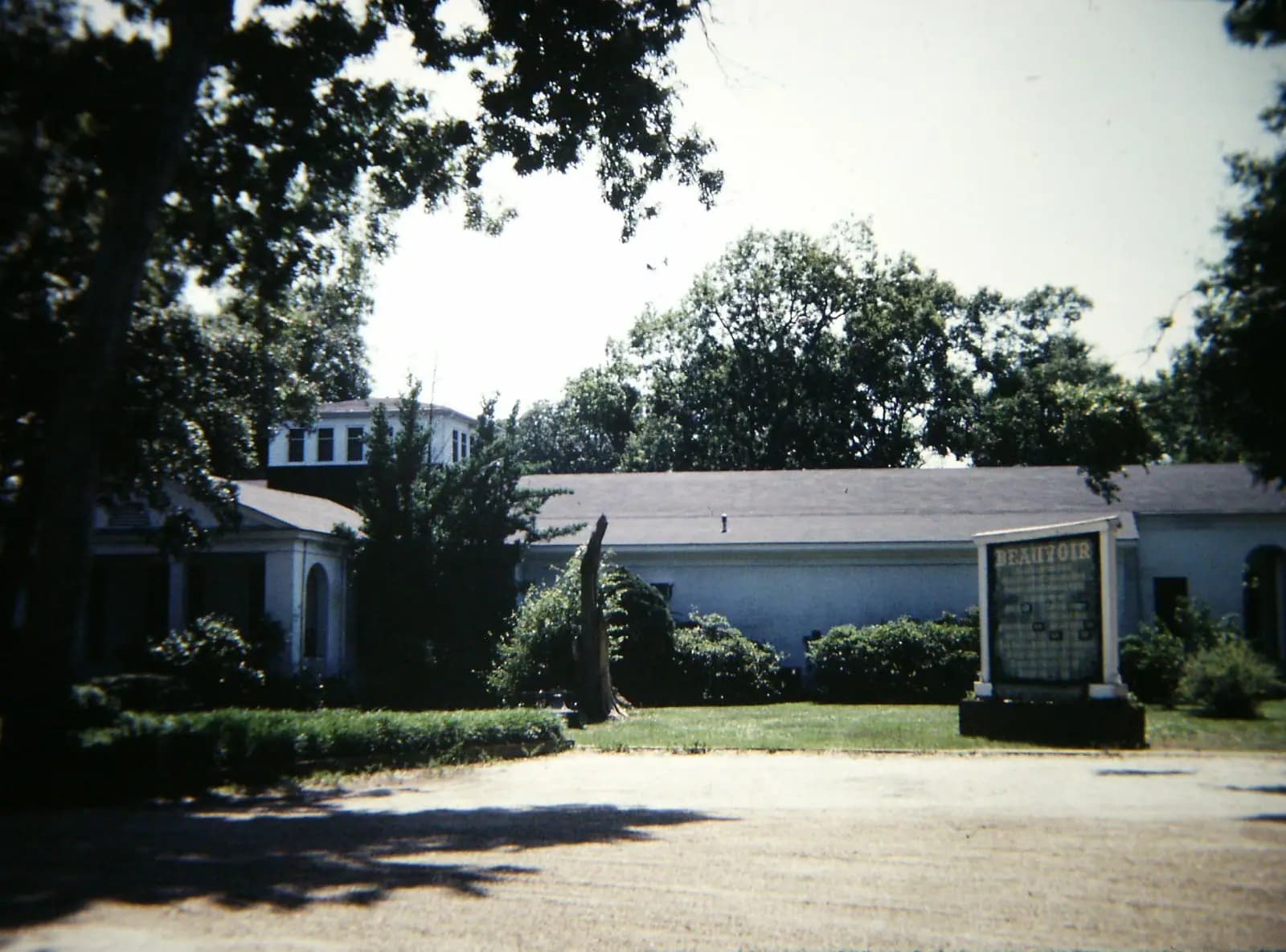
Beauvoir sits further west on the beach road and needs stating plainly. It was the last home of Jefferson Davis, president of the Confederacy, and it operates today as a house museum with a presidential library and a Confederate cemetery on the grounds. The interpretation offered at sites of this kind is genuinely contested, and visitors have found the framing of the Confederacy and of slavery here to sit well apart from mainstream historical scholarship. The house itself is a rare and unaltered example of a raised Gulf Coast cottage, and the grounds tell you a lot about how this shoreline was built on and what the 2005 surge did to it. Go if the subject interests you, go informed, and treat the interpretation as part of what you are examining rather than as settled fact.

The main house is reached by a broad exterior stair, so settle access questions while you are still planning.

Offshore: the islands, the fort and the water people came for

Ship Island is the headline. About twelve miles out in the Sound, part of Gulf Islands National Seashore, reachable only by boat, and the place where the water finally turns the colour the brochures promised. The public ferry sails from Gulfport's Jones Park, takes roughly an hour each way, and runs from the middle of March to the end of October with a thinner pattern outside high summer.

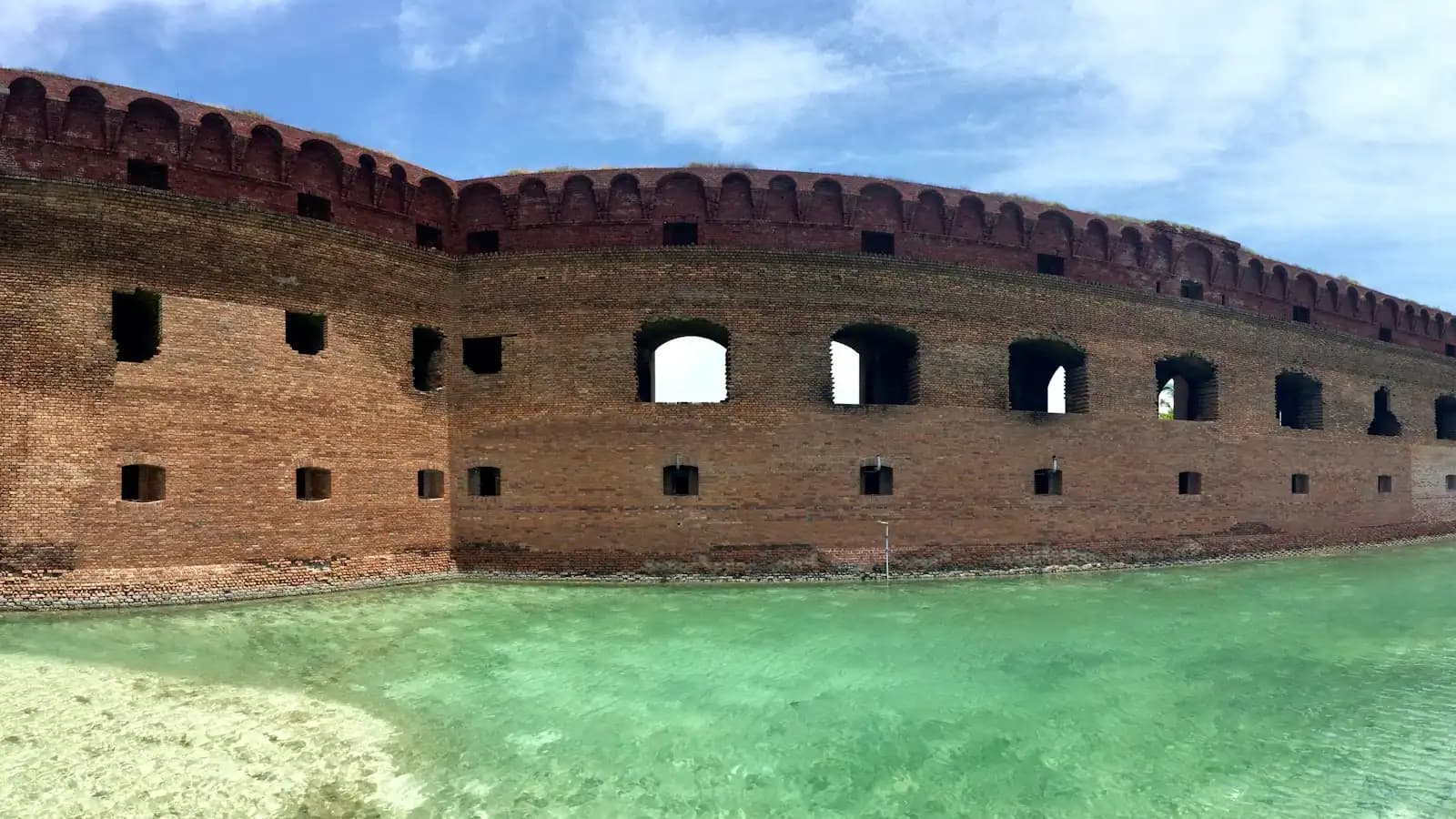
Fort Massachusetts stands near the landing on West Ship Island. Construction began in 1857, the fort was held by Union forces through the Civil War, and it is now maintained by the National Park Service with guided programmes and passport stamps in season. Brick casemates, a parade ground, and the Gulf on the other side of a long boardwalk.

Gulf Islands National Seashore takes in Horn, Petit Bois and Cat islands as well. Horn and Petit Bois are designated wilderness with no facilities and no scheduled public boat, so getting there is a charter or your own hull.

Deer Island lies a few hundred yards off the Biloxi shore and reads from the beach road as an uninhabited green ridge. It is state-owned conservation land, it has no ferry and no facilities, and it is a kayak or small-boat trip rather than a day out.

One geological note that changes how you read the map: Hurricane Camille cut Ship Island in two in 1969, and the Corps of Engineers closed that breach in 2019. The island is a repaired one.

Across the bay and along the coast

Ocean Springs is fifteen minutes east over the Biloxi Bay Bridge and has the best walkable downtown on the Mississippi coast by a distance: Washington Avenue and the streets either side of it, low buildings, live oaks, galleries and kitchens rather than chain frontage. Treat it as an evening rather than a detour.

The Walter Anderson Museum of Art is the reason to go even if you would not otherwise cross a bridge for a gallery. Anderson rowed alone out to Horn Island for weeks at a time to draw what lived there, and the museum, dedicated in May 1991, holds the result. Two things are unmissable: the Little Room, a small space he painted entirely for himself and which was only discovered after his death in 1965, and the roughly three thousand square feet of murals he painted for the Ocean Springs Community Center next door.

Gulfport is thirteen miles west and holds two things you will want. Jones Park at the harbour is where the Ship Island ferry sails from. And the Mississippi Aquarium on East Beach Boulevard opened on 29 August 2020, deliberately on the fifteenth anniversary of Katrina, on a site where an earlier marine facility had been destroyed by the storm. It runs to about six acres with dolphins, otters, alligators and an underwater viewing tunnel, and it is the strongest wet-weather option on the coast.

Pass Christian, further west again, is a quieter old harbour town with an oyster history of its own and a shoreline that gives you the Sound without the casino frontage.

Free, ticketed, or needs a boat

The practical sort. Prices move, so everything below is a band and worth confirming.

PlaceWhat it costsAccessWorth knowing
Biloxi LighthouseFree to see; climbing tour ticketedMedian of US 90, signalled crossingTour schedule changes; ask at the visitors centre
Katrina Memorial and Town GreenFreeDowntown, walkableTwenty minutes, and it reframes the trip
Biloxi Small Craft HarborFreePoint Cadet, park and walkBest early morning or late afternoon
Biloxi Bay Bridge pathFreeWalk or ride from either endAbout a mile and a half, no shade at all
Maritime and Seafood Industry MuseumModest admissionPoint CadetSchooner sails are seasonal and separate
Ohr-O'Keefe Museum of ArtAround $12 adult at the time of writingBeach Boulevard, own car parkPublished pattern is Tuesday to Saturday
BeauvoirTicketedBeach Boulevard, westHouse tour involves an exterior stair
Mississippi AquariumLarger ticketGulfport, 13 miles westThe best rainy-afternoon option on the coast
Ship Island and Fort MassachusettsFerry fare per personBoat only, from GulfportMid-March to end of October only
Deer IslandFreeYour own kayak or boatNo facilities, no ferry

The pattern to notice: on this coast the expensive things are the ones that need a hull, and almost everything on land is either free or in the ten to fifteen dollar range.

What visitors look for and will not find

Some searches lead people to places that no longer exist, and a guide that quietly omits them is not being helpful.

Tullis-Toledano Manor was an 1850s brick house on Beach Boulevard and it was destroyed in 2005 when a moored casino barge was driven ashore into it during the surge. The site is open ground. It still appears on older lists of Biloxi attractions.

The old Biloxi Bay Bridge was wrecked in the same storm. Its replacement opened on 1 November 2007 with the walking and cycling path that is now one of the best free things in the city, so this is one of the cases where the rebuilt version is better than what was lost.

The barge casinos are gone as a category. Nothing floats any more. If you have a memory of walking down a gangway onto a gaming floor, the law changed after 2005 and the floors are on land now.

There is no snorkelling or diving here, and no operator will sell you any. The Sound is shallow, turbid and has nothing to look at underwater. Anyone promising clear-water snorkelling on the Mississippi mainland is describing somewhere else.

There is no cruise terminal, so there are no shore excursions, and the tour economy is correspondingly small: the whole destination supports roughly eight bookable products.

Keesler Air Force Base is not open to casual visitors. The Hurricane Hunters fly from it, which is genuinely remarkable, and you will not be seeing them.
Every attraction in Biloxi

All 26 places we cover, grouped by area. Filter, sort, or read straight down.

Narrow it down

26 places

Type
Best for
Setting
Time needed
Admission

Biloxi17

  • Landmark

    A lighthouse rising above a low building at the water's edge
    Free

    Biloxi Lighthouse

    An 1848 cast-iron tower marooned in the median of a four-lane highway, kept for sixty-three years by one family of women.

    0.5–1 hoursFree to see and photograph from the street or the beach. Climbing the tower carries a small fee when climbs are running.

  • Museum

    A potter's hands shaping wet clay on a spinning wheel

    Ohr-O'Keefe Museum of Art

    Frank Gehry's metal pods set among live oaks, built to hold the twisted, paper-thin pottery of a man who called himself mad.

    1.5–2.5 hoursA modest admission charge for adults with reduced rates for students, seniors and children. Walking the grounds between the buildings costs nothing.

  • Museum

    Working fishing boats moored along a harbour dock under a heavy overcast sky

    Maritime & Seafood Industry Museum

    Canneries, schooners, net-making and the Vietnamese shrimp fleet: the museum that explains why Biloxi is here at all.

    1.5–2.5 hoursA modest admission charge for adults, with lower rates for children, students and seniors. Schooner sailings are priced separately.

  • Marina

    Small boats moored alongside a timber dock and gangway on sheltered water

    Biloxi Schooners & Schooner Pier

    Two sixty-five-foot replicas of the oyster schooners that worked this coast under sail, and you get to help haul the halyards.

    2–3 hoursPublic sailings are ticketed at a modest per-person rate, with reduced rates for children. Private charters are priced separately.

  • Entertainment

    A motion-blurred casino floor with rows of lit slot machines
    Free

    Beau Rivage Resort & Casino

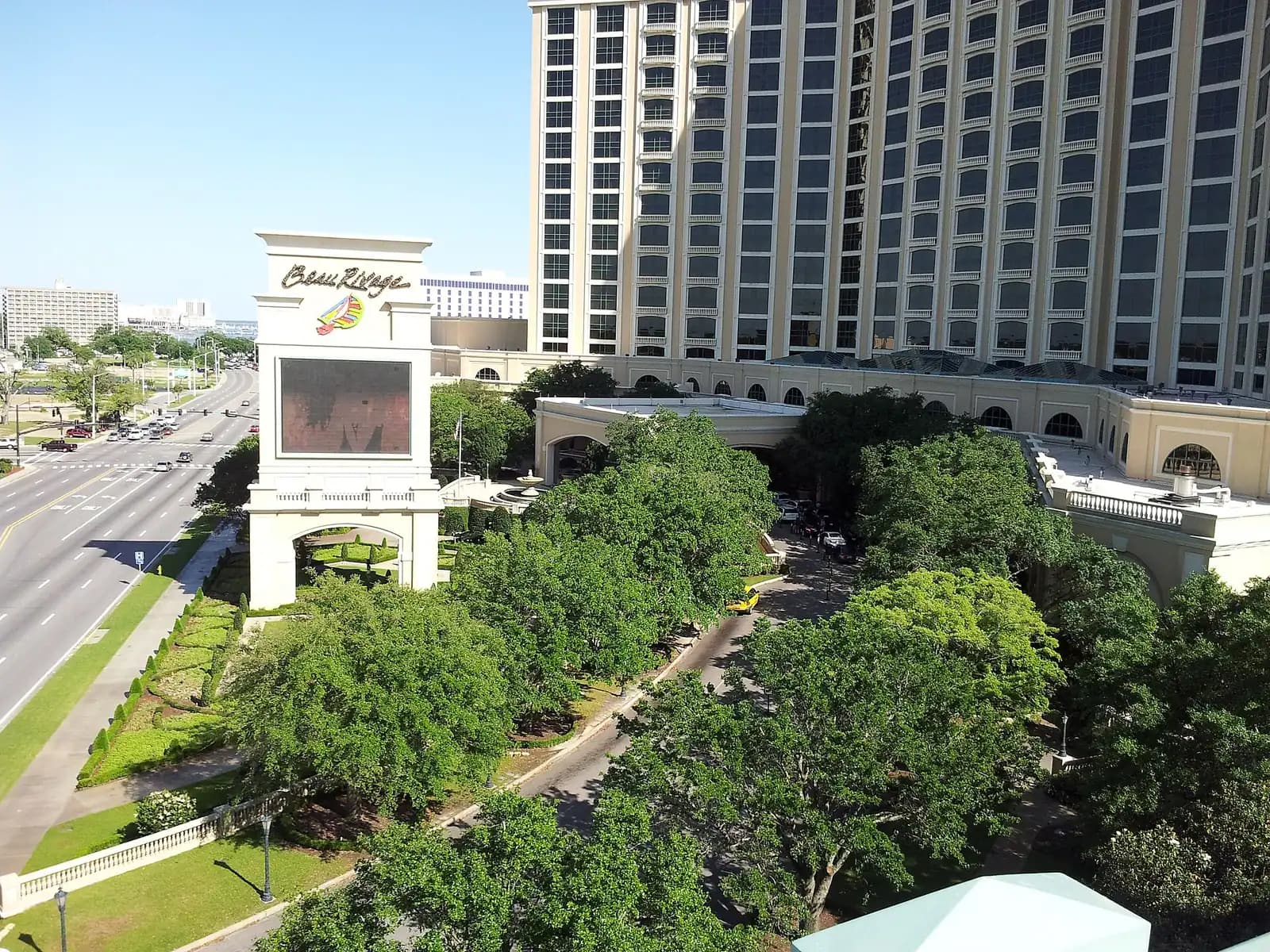
    The resort that brought Las Vegas building to Mississippi in 1999, and reopened exactly one year after Katrina closed it.

    1–5 hoursNo admission charge to enter the resort or walk the public areas. Rooms, dining, the spa and theatre tickets are all priced separately.

  • Historic site

    Spanish moss hanging in curtains from the spreading limbs of a live oak
    Free

    Katrina Memorial

    A monument on the Town Green carrying the names of people who died in this city on 29 August 2005.

    15–30 minutesFree. There is no ticket and no attendant.

  • Beach

    Low evening sun over a wide empty beach with wet sand reflecting the sky
    Free

    Biloxi Beach

    Miles of public sand along the beach highway, free to use, shallow a long way out, and with no shade anywhere on it.

    1–4 hoursFree. The sand is public along its whole length and parking along the frontage is free in most places.

  • Historic site

    A wooden house with wide verandahs shaded by mature trees

    Beauvoir

    The beachfront house where Jefferson Davis spent his last twelve years, now a museum, a cemetery and a privately run presidential library.

    1.5–2.5 hoursPaid admission. House tours and the library have been ticketed separately as well as together.

  • Marina

    Rows of boats moored in a marina basin on flat water at first light
    Free

    Biloxi Small Craft Harbor

    A working harbour of trawlers and charter boats on the Sound side, best at dawn when they leave and at four when they come back.

    0.5–1.5 hoursFree to walk and watch. Boat trips, charters, fuel, ice and ramp use are charged by the operators.

  • Entertainment

    An evening crowd gathered under strings of festival lights
    Free

    Hard Rock Hotel & Casino Biloxi

    Eight days from its opening night when Katrina destroyed it, and now home to the only free museum-grade collection in Biloxi.

    1–3 hoursFree to walk in and see the memorabilia collection. Rooms, dining and concert tickets are priced separately.

  • Neighbourhood

    A harbour basin filled with moored small boats seen from above
    Free

    Point Cadet

    The headland where the canneries stood for a century and where Mississippi's coastal casino era began in 1992.

    1–3 hoursFree to walk. The museum and the schooner sailings are ticketed separately.

  • Entertainment

    A large Ferris wheel standing beside a body of water at dusk
    Free

    Golden Nugget Biloxi

    Mississippi's coastal casino era began on this patch of Point Cadet in 1992, at the quiet end of the strip beside the bay bridge.

    1–4 hoursNo charge to enter or walk the public areas. Rooms, dining and parking-adjacent extras are priced separately.

  • Entertainment

    An evening crowd gathered under strings of festival lights

    Keesler Federal Park

    Double-A baseball downtown, in a 6,000-seat park with a team named for the people who shucked the oysters.

    2.5–3.5 hoursTicketed. Most seats have sat in the low double digits, with group and premium areas above that.

  • Nature preserve

    Aerial view of a narrow strip of undeveloped pale sand between green water and dense pine forest
    Free

    Deer Island

    Four hundred acres of state-owned pine and marsh a short paddle off the beach road, with no ferry, no dock and nothing built on it.

    2–5 hoursFree. The cost is the boat.

  • Water feature

    A floating dock on a sheltered bayou with flat water stretching to a low far shore
    Free

    Back Bay of Biloxi

    The sheltered estuary behind the peninsula, where the shrimp grow up and the fleet goes to hide from hurricanes.

    0.5–4 hoursFree. Public ramps, bridges and shoreline access cost nothing, though some ramps may charge for launching.

  • Landmark

    A lighthouse rising above a low building at the water's edge
    Free

    Biloxi Visitors Center

    Free parking, restrooms and a staffed desk opposite the lighthouse, in a city where half of what you want to do is seasonal.

    15–45 minutesFree, including parking. Lighthouse climbs are ticketed separately when they run.

  • Historic site

    A wooden house with wide verandahs shaded by mature trees

    Magnolia Hotel

    An 1847 hotel, the oldest left on this coast, which survives because the city picked it up in 1972 and moved it back from the water.

    15–45 minutesAny interior admission has been modest, and the exterior and site cost nothing.

Gulfport3

  • Museum

    A young child with both hands on a glowing plasma ball in a hands-on science exhibit

    Lynn Meadows Discovery Center

    A children's museum in a 1915 schoolhouse with seven and a half acres of outdoor play behind it, twenty minutes west of Biloxi.

    2–5 hoursPaid admission per person, with under-ones generally free and memberships available.

  • Entertainment

    A bottlenose dolphin breaking the surface of calm open water

    Mississippi Aquarium

    Five and a half acres of aquarium on the Gulfport beach road, opened fifteen years to the day after the storm that emptied it.

    2–4 hoursPaid admission, with child and senior rates and annual memberships available.

  • Neighbourhood

    Rows of boats moored in a marina basin on flat water at first light with a low skyline beyond
    Free

    Gulfport

    Mississippi's second city, twelve miles west along the beach road, holding the Ship Island ferry, the airport and the aquarium.

    1–5 hoursFree to visit. Jones Park and the harbour cost nothing; the ferry, the aquarium and the casinos do not.

Ocean Springs3

  • Museum

    A visitor standing in a gallery looking at exhibits mounted on a white wall

    Walter Anderson Museum of Art

    The murals a painter locked in a small room and told nobody about, fifteen minutes from the Biloxi casinos.

    1–2 hoursPaid admission, with reduced rates for students and children and free days offered periodically.

  • Neighbourhood

    A palm-lined pedestrian street with low shopfronts and cafe tables set out along it
    Free

    Ocean Springs

    Two miles east across Biloxi Bay: galleries, live oaks, a walkable main street and the site of the first French settlement on this coast.

    2–6 hoursFree to visit. Galleries are free to browse; the museum and Shearwater are separate.

  • Nature preserve

    A timber boardwalk curving through dense swamp woodland above still dark water
    Free

    Gulf Islands National Seashore — Davis Bayou

    The only piece of the national seashore in Mississippi with a road to it: oaks, boardwalks, a bayou and a staffed visitor centre.

    1–3 hoursFree to enter and to walk. Camping is charged.

Gulf Islands National Seashore1

  • Park

    A wide empty stretch of pale sand running away beside shallow clear water with almost nobody on it

    Ship Island

    A barrier island twelve miles offshore with clear Gulf water, a brick fort, and an anchorage that shaped three centuries here.

    4–7 hoursThe island itself carries no entrance fee. Getting there does — the ferry is a ticketed service, and a private charter costs considerably more.

Pass Christian1

  • Neighbourhood

    Boats tied along a dock in a sheltered marina basin
    Free

    Pass Christian

    An oyster harbour, a shaded drive of rebuilt houses and the site of the highest storm surge ever measured in the United States.

    2–5 hoursFree. The harbour, Scenic Drive and the waterfront parks cost nothing.

West Ship Island, Gulf Islands National Seashore1

  • Historic site

    A low historic brick fortification standing at the edge of calm coastal water
    Free

    Fort Massachusetts

    A brick coastal fort on a barrier island, held during the Civil War by one of the first Black regiments in United States service.

    0.5–1 hoursFree. There is no charge for the fort or for landing on the island — the cost of the visit is the ferry ticket or the charter.

Where everything is in Biloxi

Every pin is also a link in the index beside it, so the list works before the map loads.

Every place shown on this map is also listed below as a link, grouped by area.

Explore by what you want to do

The directory lists places. These pages plan days.

  • Guide hub

    Working fishing boats tied along a harbour dock under a low overcast sky

    Things to Do in Biloxi

    Biloxi is confusing for about an hour and then it makes complete sense. You arrive on a four-lane highway with water on one side and casino towers…

  • Things to do

    A red-brick coastal fort wall rising straight out of shallow green water under a blue sky

    Ship Island

    Almost everyone who books this coast arrives with a picture in their head of clear green water, and almost everyone finds something else. The sand…

  • Things to do

    A motion-blurred casino floor with rows of lit slot machines

    Biloxi Casinos

    The law came first, and the architecture is downstream of it. Mississippi legalised dockside gaming in 1990, and the statute carried one condition…

  • Things to do

    A potter's hands shaping wet clay on a spinning wheel

    Biloxi Museums and History

    For a city of fewer than fifty thousand people, Biloxi carries an improbable number of separate histories, and they do not blend. The French landed…

  • Budget

    A cyclist riding a paved shoreline path lined with palm trees under heavy cloud

    Free Things to Do in Biloxi

    Most coastal towns charge you for the privilege of arriving. A beach parking permit, a per-hour lot, a chair-and-umbrella concession that owns the…

  • Things to do

    A timber boardwalk running out across low dune scrub towards the shore under a clear sky

    Gulf Islands National Seashore

    A national seashore usually means a car park, a visitor centre and a path to the sand. The Mississippi district of Gulf Islands National Seashore is…

Longer reads

  • Guide

    A potter's hands shaping wet clay on a spinning wheel
    Featured

    Museums and History in Biloxi

    Six museums, an 1848 lighthouse in the middle of a highway, and one site whose interpretation is contested. What each one is, and which to give your afternoon to.

    10 min readAdeline Boudreaux

Common questions

What is the number one attraction in Biloxi?

Ship Island, for the seven and a half months a year you can reach it. It is twelve miles offshore inside Gulf Islands National Seashore, it carries Fort Massachusetts and the only clear Gulf water within reach of this coast, and the ferry to it sails from Gulfport between the middle of March and the end of October. Out of season the answer changes to the Maritime and Seafood Industry Museum at Point Cadet, which explains the whole city in an hour.

Can you go inside the Biloxi Lighthouse?

Yes, on a ticketed climbing tour rather than by walking up. Tours are run through the Biloxi Visitors Center on the north side of US 90 opposite the lighthouse, and the schedule changes with the season and with staffing, so check there rather than turning up expecting a fixed time. The tower is cast iron, first lit in 1848, a bit over sixty feet tall, and it stands in the highway median with traffic on both sides.

What is the Ohr-O'Keefe Museum and is it worth it?

It holds the pottery of George Ohr, the self-styled Mad Potter of Biloxi, in a campus designed by Frank Gehry as a scatter of metal-skinned pods among live oaks. It is worth it for two audiences: anyone interested in ceramics, because Ohr's thin crumpled forms were decades ahead of anything else being made in 1900, and anyone interested in buildings. Published hours at the time of writing are Tuesday to Saturday, adult admission around twelve dollars.

Should you visit Beauvoir?

It depends on what you want from it. Beauvoir was Jefferson Davis's last home and is now a house museum with a presidential library and a Confederate cemetery. The building is a rare intact raised Gulf Coast cottage and the site is historically significant. The interpretation offered there is contested and sits apart from mainstream scholarship on the Confederacy and slavery, so go informed and treat the framing as something to examine rather than accept. The house tour involves an exterior stair.

How far is Ship Island from Biloxi?

About twelve miles offshore across the Mississippi Sound, but the practical answer is longer than that, because the ferry does not leave from Biloxi. It sails from Jones Park at Gulfport harbour, roughly a twenty-five minute drive west, and the crossing takes about an hour each way. Budget the whole day. Sailings run from the middle of March to the end of October and are less frequent outside the summer weeks.

Is there anything to do in Biloxi when it rains?

Quite a lot, which is unusual for a coastal town. The Maritime and Seafood Industry Museum, the Ohr-O'Keefe campus, the Walter Anderson Museum in Ocean Springs, the Mississippi Aquarium in Gulfport and eight casino resorts with restaurants, showrooms and spas are all indoors. Summer afternoons here bring near-daily thunderstorms that build inland and roll back over the coast, so a wet-weather plan is a normal part of a June to August trip rather than a fallback.

What free attractions are there in Biloxi?

More than most of the Gulf coast. The beach and its roadside parking run for effectively the whole twenty-six miles. The walking and cycling path across the Biloxi Bay Bridge is free and is the best sunset on the coast. The Katrina Memorial and Town Green, the exterior of the lighthouse, the Small Craft Harbor at Point Cadet and parking at most casino properties including valet all cost nothing.

Is Ocean Springs worth crossing the bridge for?

Yes, and treat it as part of the trip rather than a day trip. It is fifteen minutes east over the Biloxi Bay Bridge and has the most walkable old downtown on the coast, centred on Washington Avenue. The Walter Anderson Museum of Art is the anchor: it holds the work of a painter who rowed out to Horn Island alone for weeks, including the Little Room he painted for himself and which was found only after his death in 1965.

Are there attractions in Biloxi for kids?

Several, though the strongest ones are a short drive west. The Mississippi Aquarium in Gulfport opened in 2020 and has dolphins, otters, alligators and an underwater tunnel. Lynn Meadows Discovery Center, also in Gulfport, is a hands-on children's museum. Closer in, a Biloxi Shuckers game at the downtown ballpark is cheap and easy, and the shrimp boat trip out of the harbour is the best ninety minutes on this coast with children.

Why do so many Biloxi buildings look new?

Because Hurricane Katrina's surge destroyed this waterfront on 29 August 2005. The water ran to roughly twenty-two feet here and a 34.1-foot high-water mark was recorded on the Beau Rivage tower. Most structures along the beach road were rebuilt after 2006, and the long gaps between them are where houses stood. The 1848 lighthouse survived. An 1850s house called Tullis-Toledano Manor did not, and its site on Beach Boulevard is open ground.