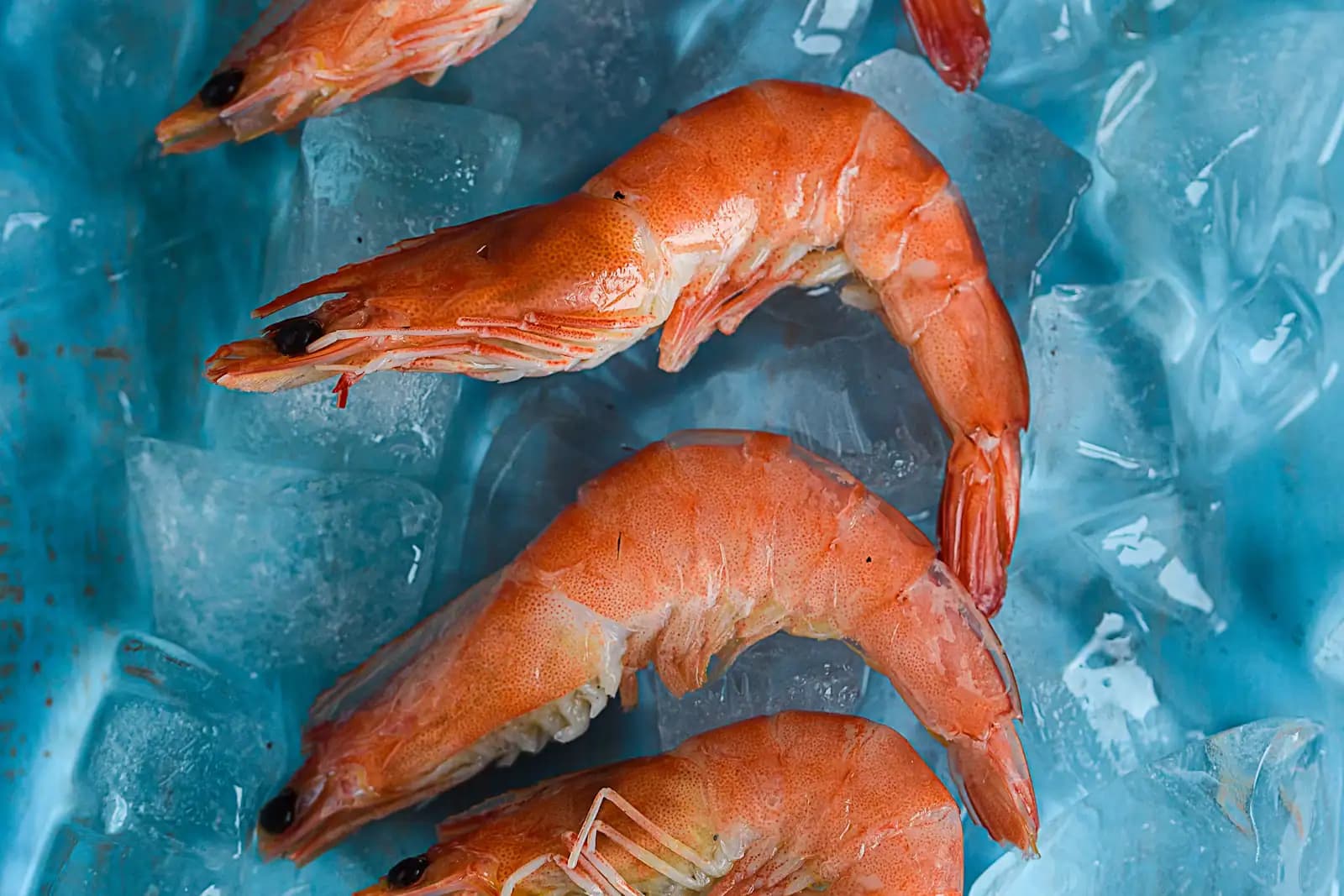
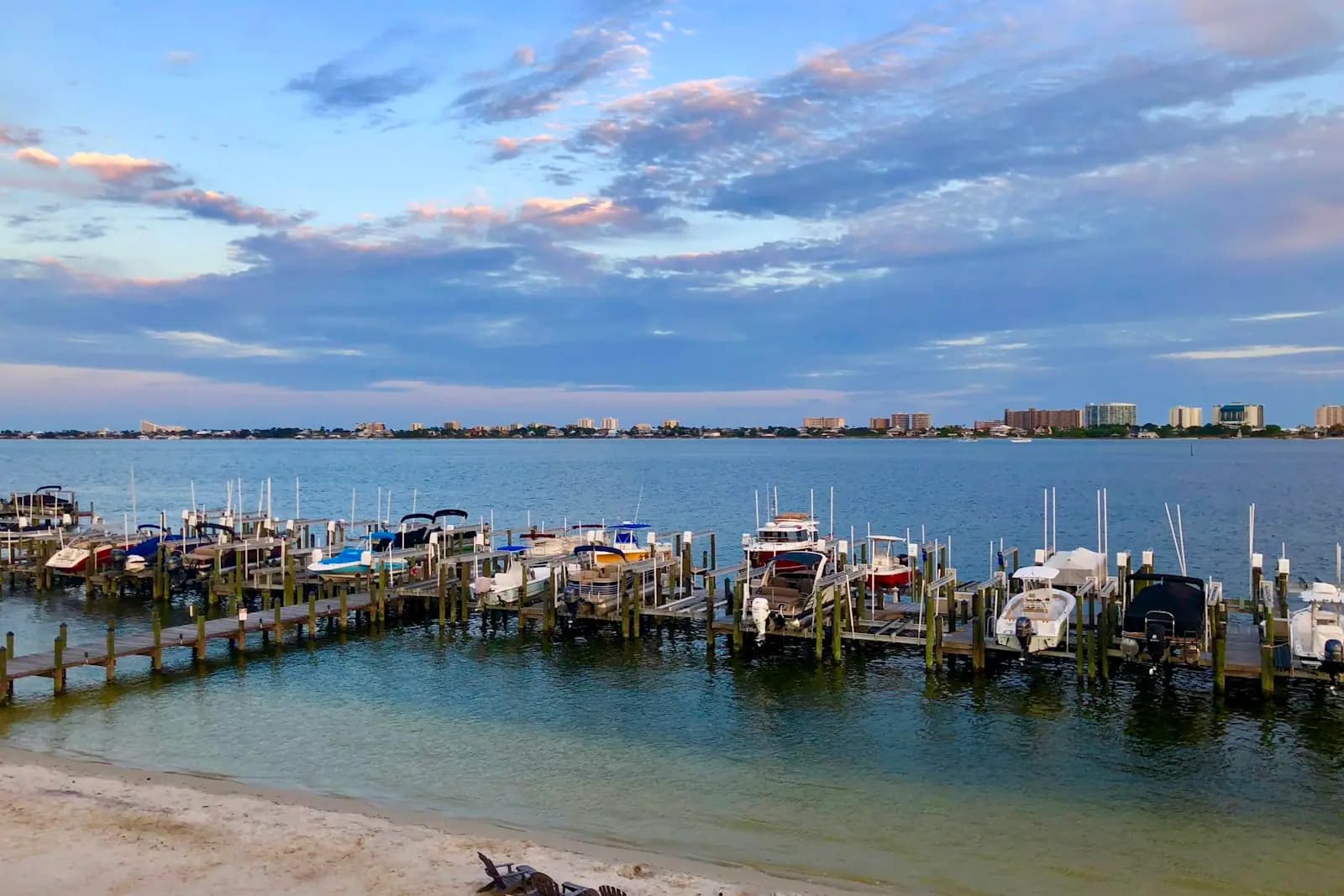
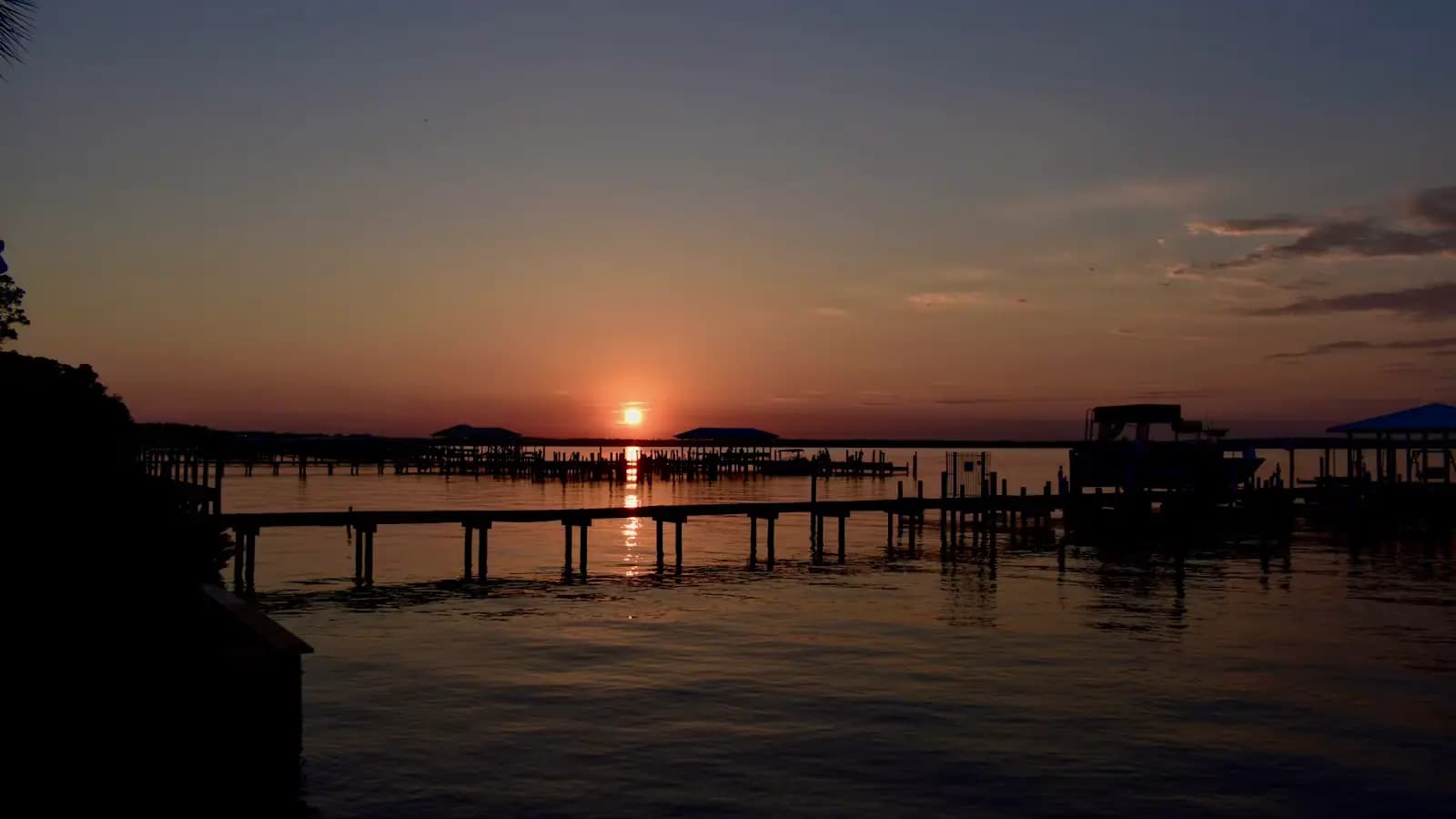
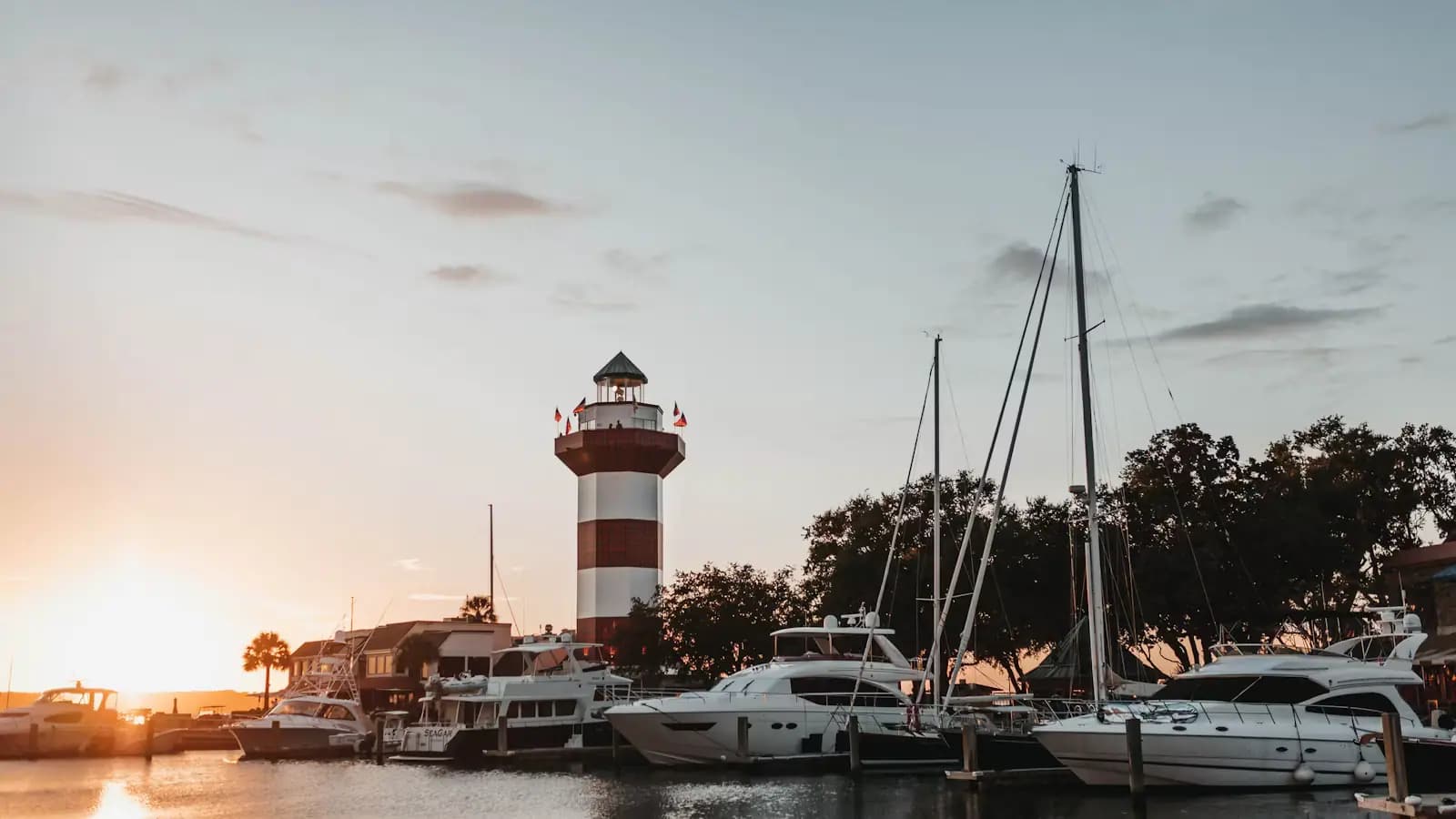
The casinos are what people search for and the seafood is what actually made this city. In 1881 the first cannery opened on the water here, and within a generation the shoreline was a working industrial strip: factories packing shrimp and oysters, ice houses, net lofts, boat yards, and rows of company housing where the labour lived. Biloxi took to calling itself the Seafood Capital of the World, and for a stretch of the early twentieth century the claim was arguable. The city's shape still follows that economy. Point Cadet at the eastern tip of the peninsula was a factory neighbourhood before it was anything else, and the Small Craft Harbor beside it is where the working boats still tie up.
The industry was never romantic. It ran on immigrant labour and, until federal law caught up with it, on children: Lewis Hine photographed shrimp and oyster pickers in Biloxi in 1911 who were small enough to need a box to stand on at the picking table. Those photographs are part of why the American child-labour campaign had evidence to argue with. Any honest seafood page for this city has to carry that alongside the boats and the batter.
The other half of the story is more recent. Vietnamese families began arriving on this coast in the late 1970s, first into cannery jobs that were hard to fill, then into boat ownership, and within roughly a decade a large share of Mississippi's shrimp fleet was Vietnamese-American. That is not a footnote to the industry, it is the industry. It is also why a coast of thirty miles supports pho counters and banh mi shops alongside the fried-shrimp houses.
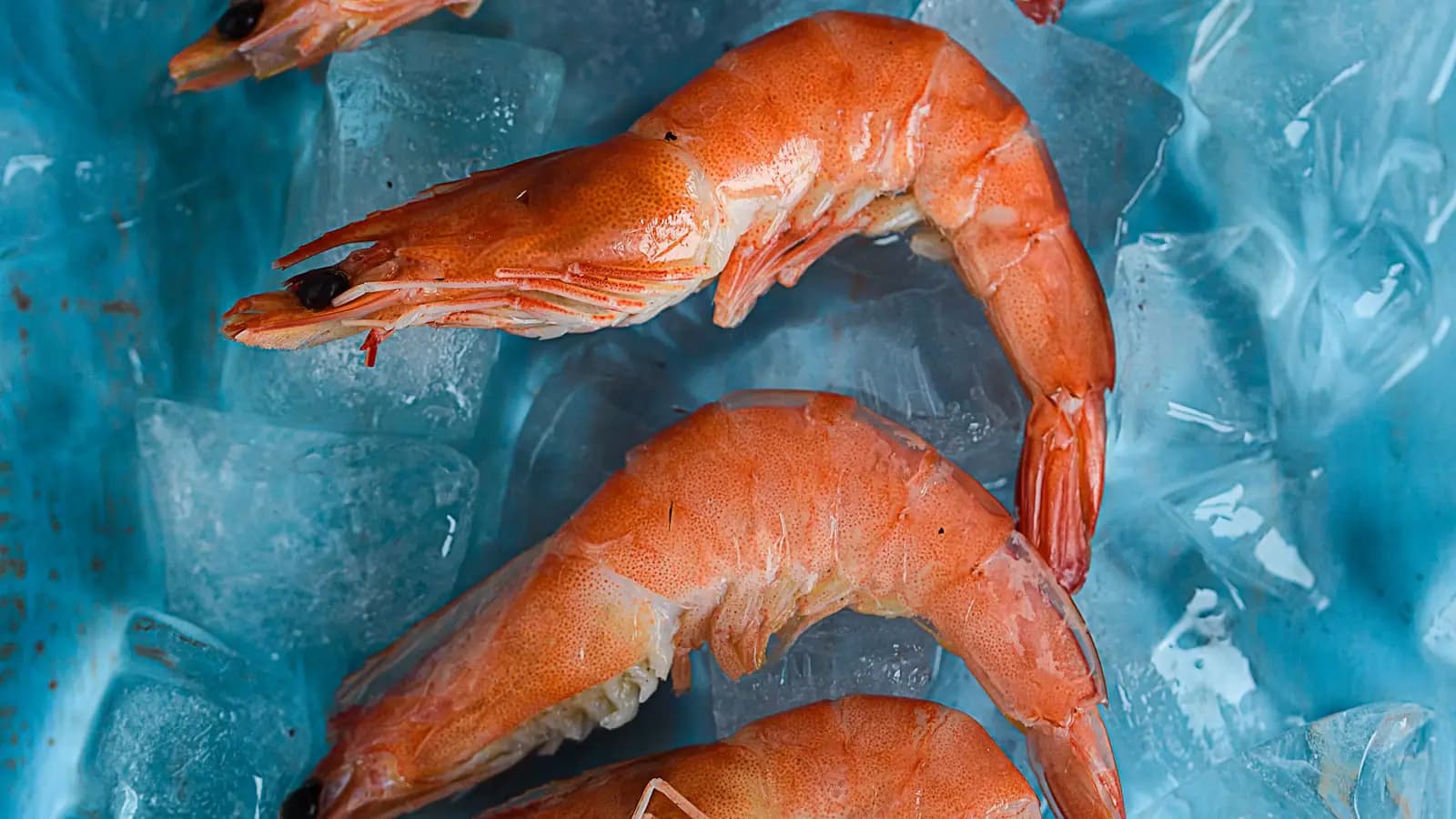
What does all of this mean for dinner? Mostly it means asking one question. The fleet is much smaller than it was, the canneries are gone, the public oyster reefs were wrecked by freshwater in 2019 and have not properly recovered, and imported farmed shrimp is sold on this coast in volume because it is cheaper and always available. Some kitchens here buy off local boats and say so. Others buy a five-pound bag of imported shrimp and fry it in the same batter. The difference is real, it is not visible on the plate, and the way to find out is to ask where the shrimp came from before you order.
This page covers the industry that built the city, what is genuinely in season in which month, how to read a menu on this coast, and where to buy seafood raw if you would rather cook it yourself. It names no restaurants, deliberately: this is a coast where places open and close between one season and the next, and a stale recommendation costs you a meal.