Walter Inglis Anderson lived on this coast, rowed a small open boat twelve miles out to Horn Island whenever he could, and painted what he found there. He died in 1965. When his family opened a room at his cottage at Shearwater that he had kept locked, they found it painted floor to ceiling with a single day, sunrise through to night, worked in imagery that draws on Psalm 104. Nobody had seen it. He had not mentioned it.
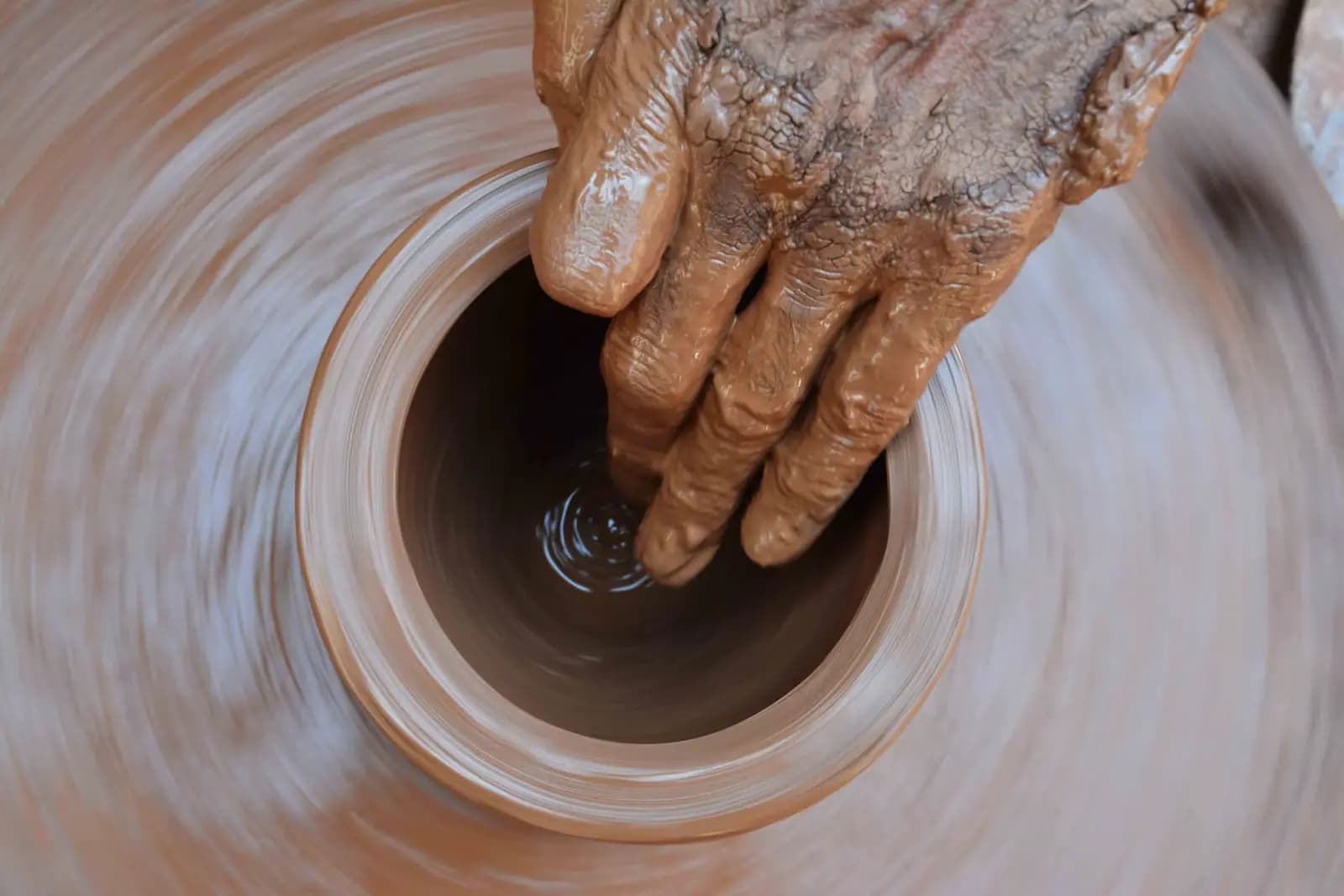
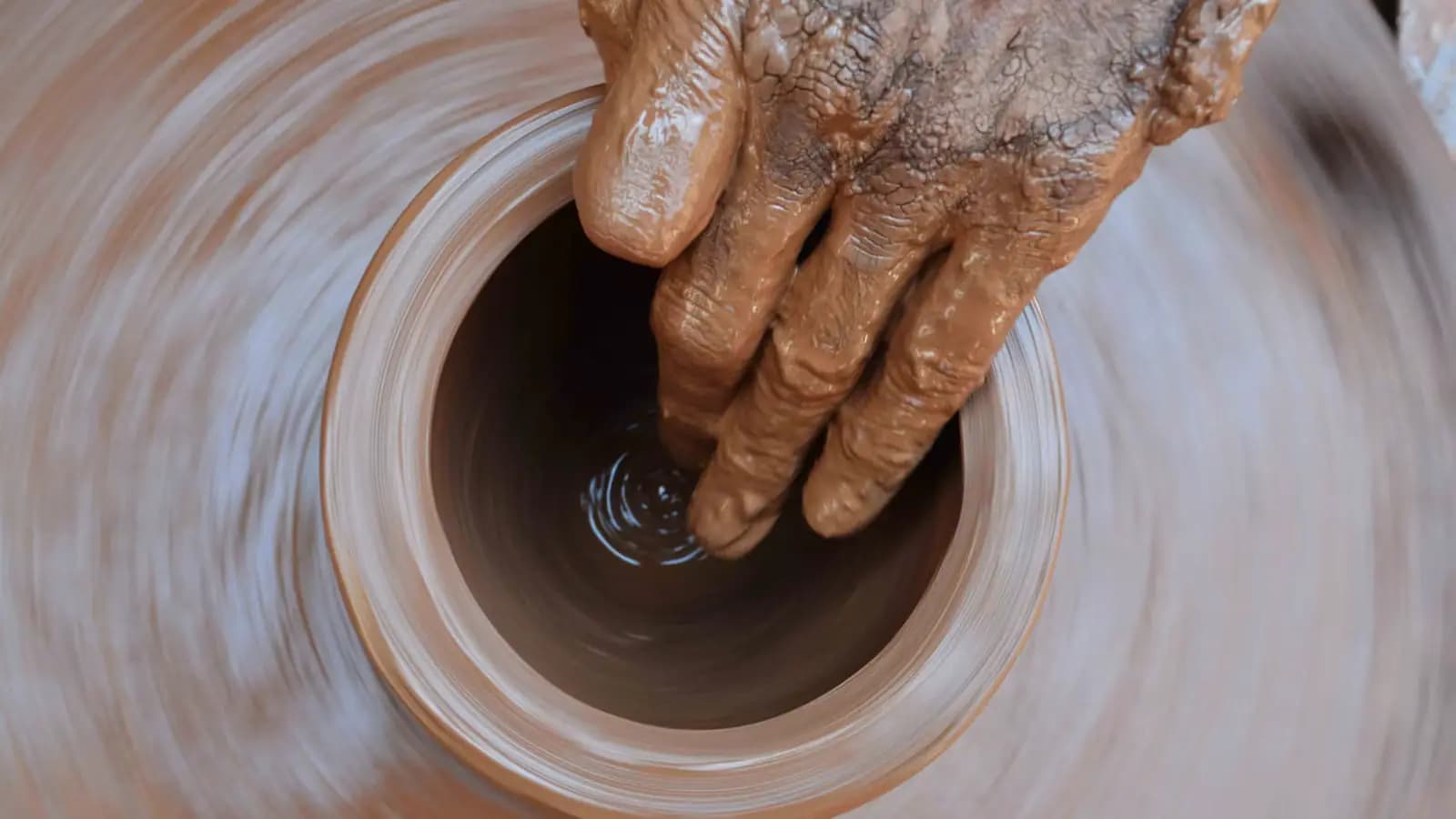
That room is why this museum exists and why it is worth fifteen minutes of driving from a Biloxi hotel. The Walter Anderson Museum of Art opened on Washington Avenue in Ocean Springs in May 1991 and holds work by Anderson and by his brothers: Peter, who founded Shearwater Pottery here in 1928, and James McConnell Anderson. The Little Room is preserved as part of the collection.
Anderson is not a gentle sentimental nature painter and the museum does not present him as one. He had a breakdown in the late 1930s, spent periods in psychiatric hospitals and was diagnosed with schizophrenia. From 1945 he made repeated solitary trips to Horn Island, sleeping under his upturned skiff, and kept journals of them — around ninety survive — that combine close biological observation with argument about art and nature. The work that came out of it is fast, bright, patterned and slightly relentless, and it reads as one person's sustained attempt to get the Gulf Coast onto paper.
The museum's holdings extend beyond the walls. Anderson's murals in the Ocean Springs Community Center next door — a cycle including d'Iberville's 1699 landing and the "Seven Climates" — are part of the institution.
The 2005 storm surge reached the family's stored collection, flooding a concrete structure built after Camille to protect it. Much of it was conserved and recovered. That episode is part of the story here now, in a way nobody would have chosen.