Visitors book Biloxi and then discover that three of the things they booked it for are in Gulfport. The ferry to Ship Island sails from the small craft harbour here. The airport with the two city names on it is here. So is the aquarium. The two cities run into one another along twelve miles of US 90 with no visible boundary, and the drive between them takes about twenty minutes when the highway is behaving.
They are not the same place, though. Biloxi is a narrow peninsula with a casino frontage and three centuries of settlement behind it. Gulfport was invented, and recently: founded in 1887 as the end of a railway line, then bankrolled through the 1890s by a Pennsylvania oil man named Joseph T. Jones who paid for the railroad, the harbour and the dredging of a deep-water channel that opened in 1902. The point of it was yellow pine. In 1906 alone the port shipped more than 293 million feet of lumber cut from the forests inland, until the forests ran out.
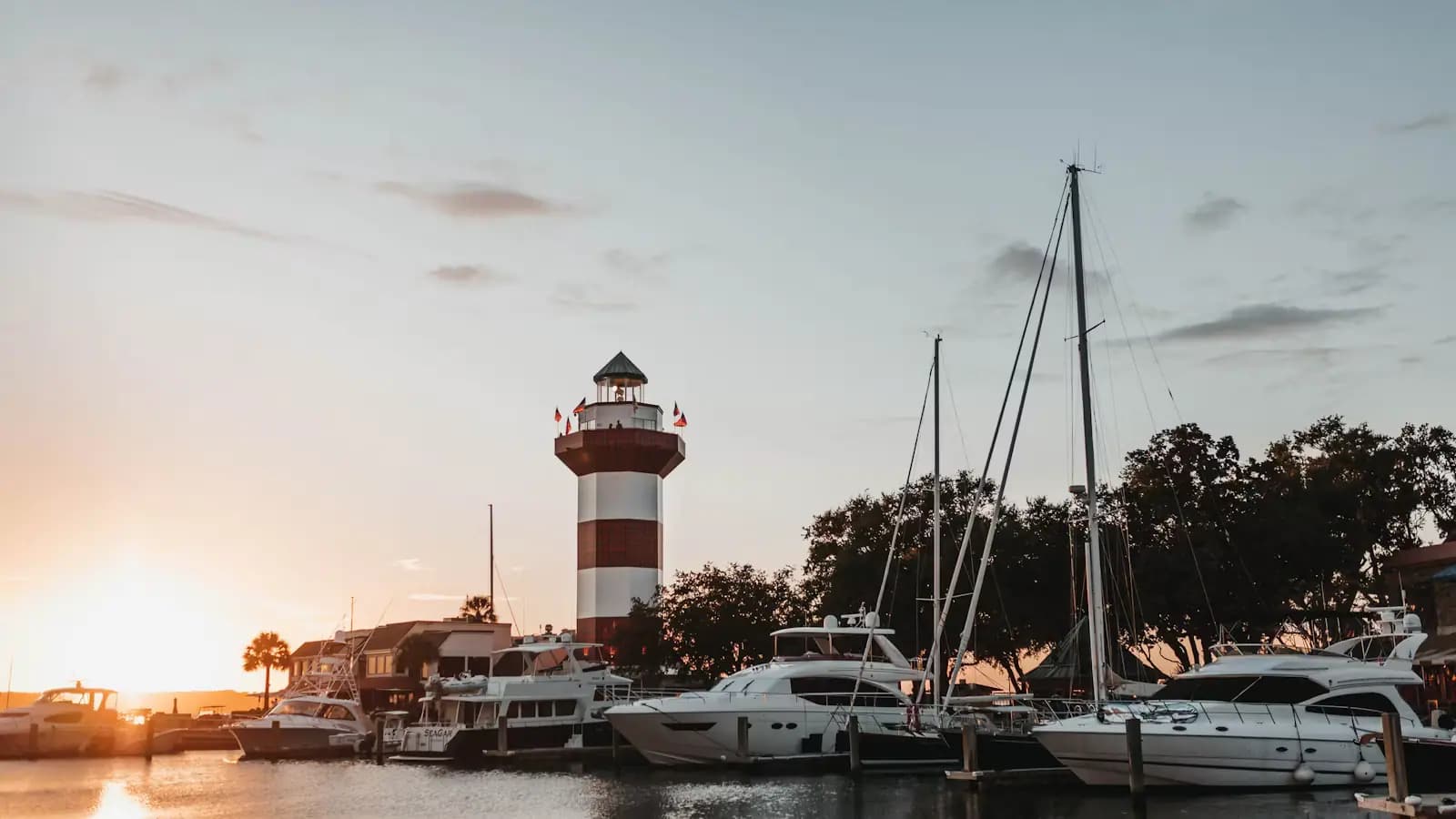
The port is still the centre of gravity, and it is a working one — containers, bananas, industrial cargo — which gives the Gulfport waterfront a character Biloxi's does not have. Jones Park wraps around the small craft harbour beside it, and the ferry to the barrier islands leaves from that basin between mid-March and the end of October.
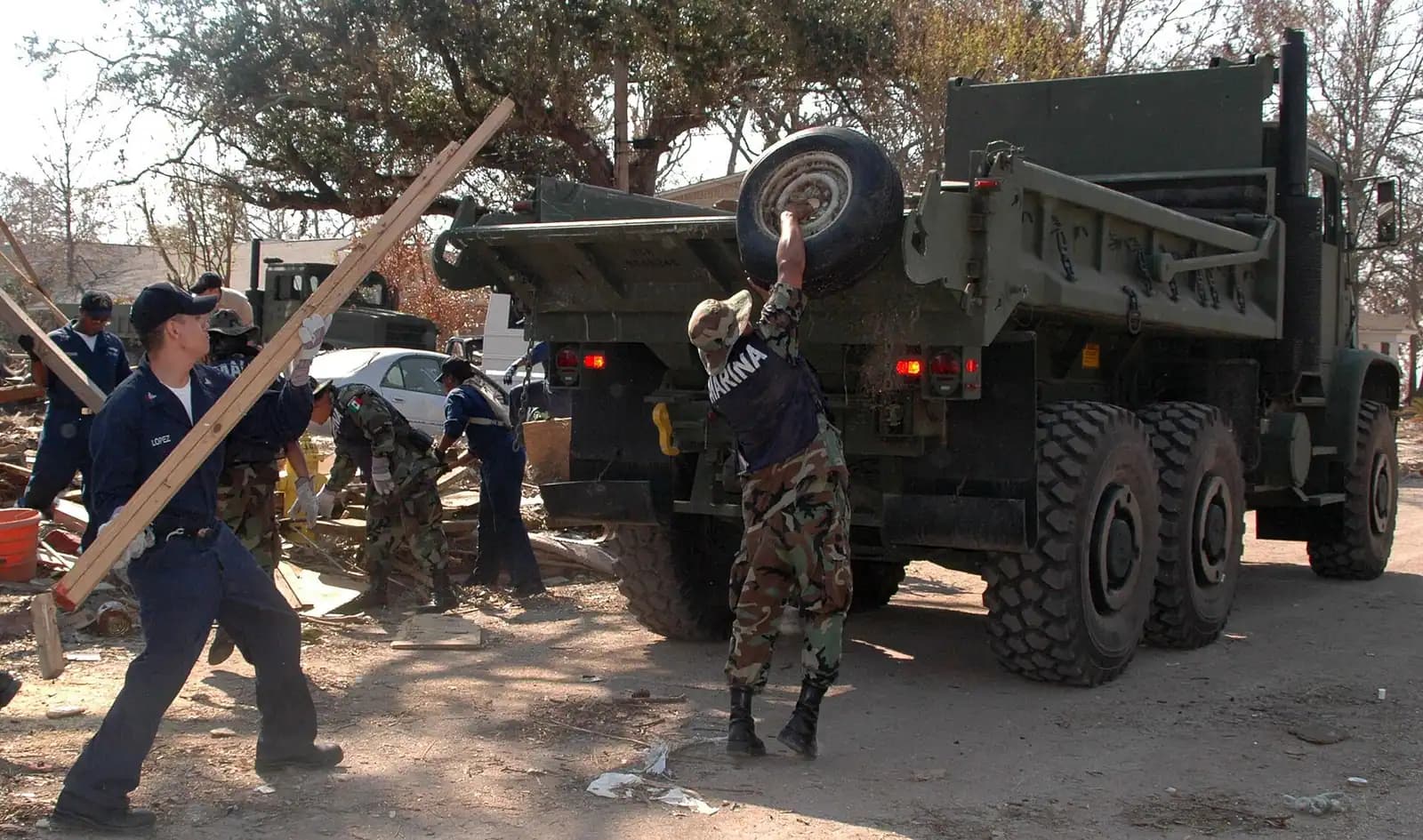
With 72,926 residents at the last census, Gulfport is the second-largest city in Mississippi. Hurricane Katrina damaged or destroyed 9,571 houses here in 2005, and the recovery followed the same pattern as Biloxi's: newer buildings, wider setbacks, and a waterfront that is more open than it used to be.
For a visitor, the honest summary is that Gulfport is not a destination in the way Biloxi is. It is the place you drive to for a boat, a plane, an aquarium or a children's museum, and it is worth an hour around the harbour while you are there.