Skip to content
Search
Menu

We earn a commission if you book through this link. You pay the same price.

A palm-lined pedestrian street with low shopfronts and cafe tables set out along it
Paul Lowry

Neighbourhood

Ocean Springs

Last updated

Two miles east across Biloxi Bay: galleries, live oaks, a walkable main street and the site of the first French settlement on this coast.

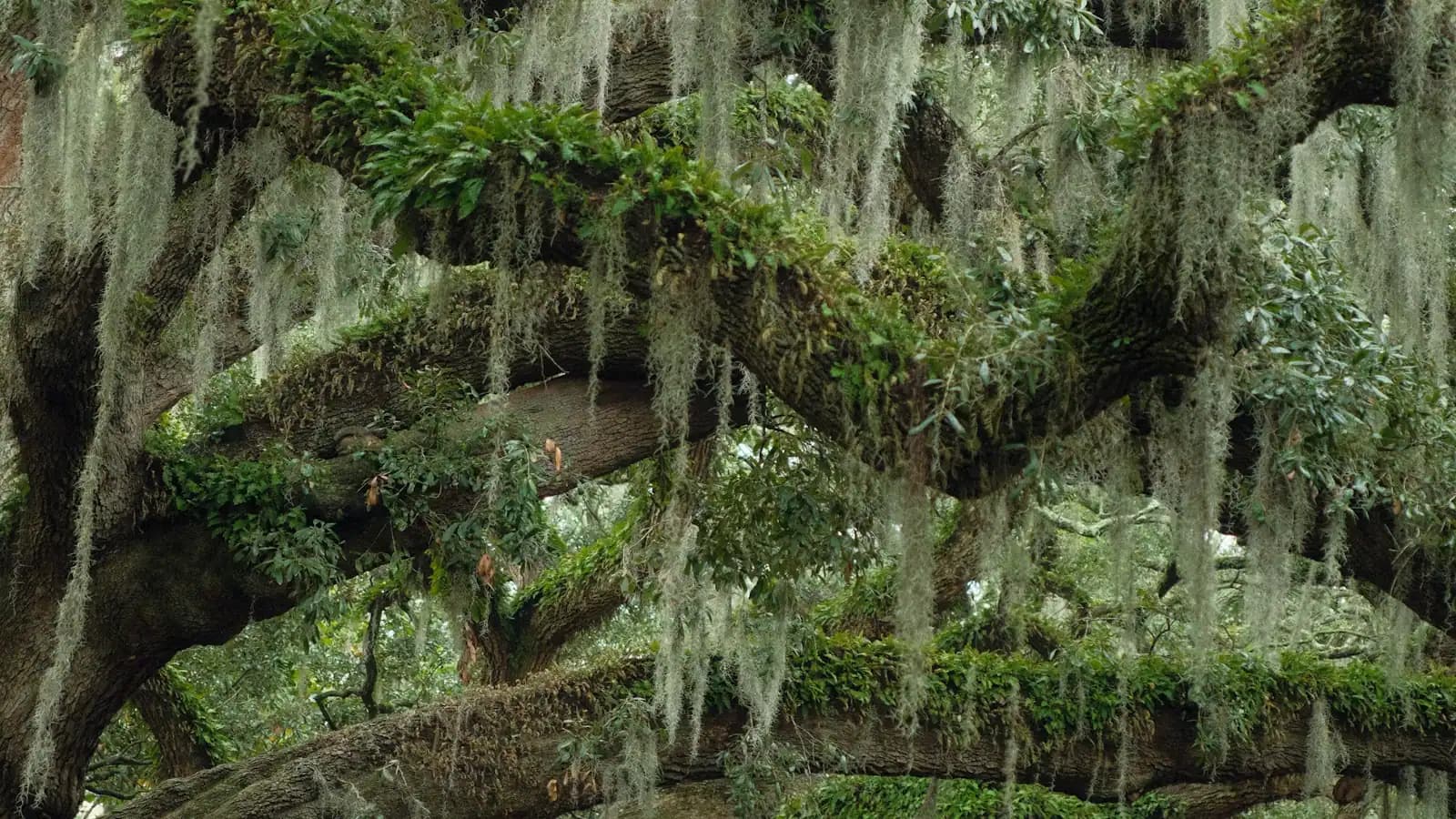
Cross the Biloxi Bay Bridge and the register changes completely. Biloxi is a working city with a casino frontage strung along ten miles of highway. Ocean Springs is eighteen thousand people, a downtown you can walk end to end in fifteen minutes, and live oaks arching over a street of galleries. The two are about two miles apart.

Washington Avenue is the spine of it. Art galleries, independent shops, coffee places and restaurants occupy low buildings under oaks old enough to have been here for most of the town's history, and the whole thing operates at a pace that has nothing in common with a casino floor. The arts are not decoration here. Peter Anderson opened Shearwater Pottery in 1928 and the family's work — his, and his brother Walter's in particular — is why this town has a national reputation disproportionate to its size. The Peter Anderson Festival, running since 1978, is one of the Southeast's larger arts and crafts events and turns the whole downtown over for a weekend each autumn.

The history runs deeper than the art. In April 1699 Pierre Le Moyne d'Iberville established Fort Maurepas on this shoreline, the first permanent French outpost in French Louisiana and the beginning of European settlement on the Gulf Coast between Florida and Texas. The town took its present name much later, in 1854, from a doctor who believed the local mineral springs had therapeutic value and marketed them accordingly.

Katrina hit hard here too. The 28-foot surge destroyed the 1962 bridge to Biloxi and cut the two cities off from each other; the replacement opened in November 2007 with six lanes and a separated walking and cycling lane, which is now one of the better free things to do on this coast.

For a visitor based in Biloxi, this is the easiest half day available: a bridge, a main street, a museum and lunch.

Getting there and parking

From Biloxi, take US 90 east across the Biloxi Bay Bridge; downtown Ocean Springs is signed off the highway immediately on the far side. The drive from the Biloxi Lighthouse takes about ten minutes, longer on a Saturday.

Walking or cycling over the bridge is a genuine option and a better one in good weather. The separated lane runs the full length of the span, and it is roughly half an hour on foot from the Biloxi side to the Ocean Springs shoreline, then another ten minutes to Washington Avenue.

Parking downtown is on-street and in small lots, free but limited, and it fills on Saturdays and during festivals. Park once and walk; the town is four or five blocks of anything you came for.

Amtrak's Mardi Gras Service between New Orleans and Mobile stops at Biloxi rather than at Ocean Springs, so the bridge is still the way across.

The bridge is worth doing on foot

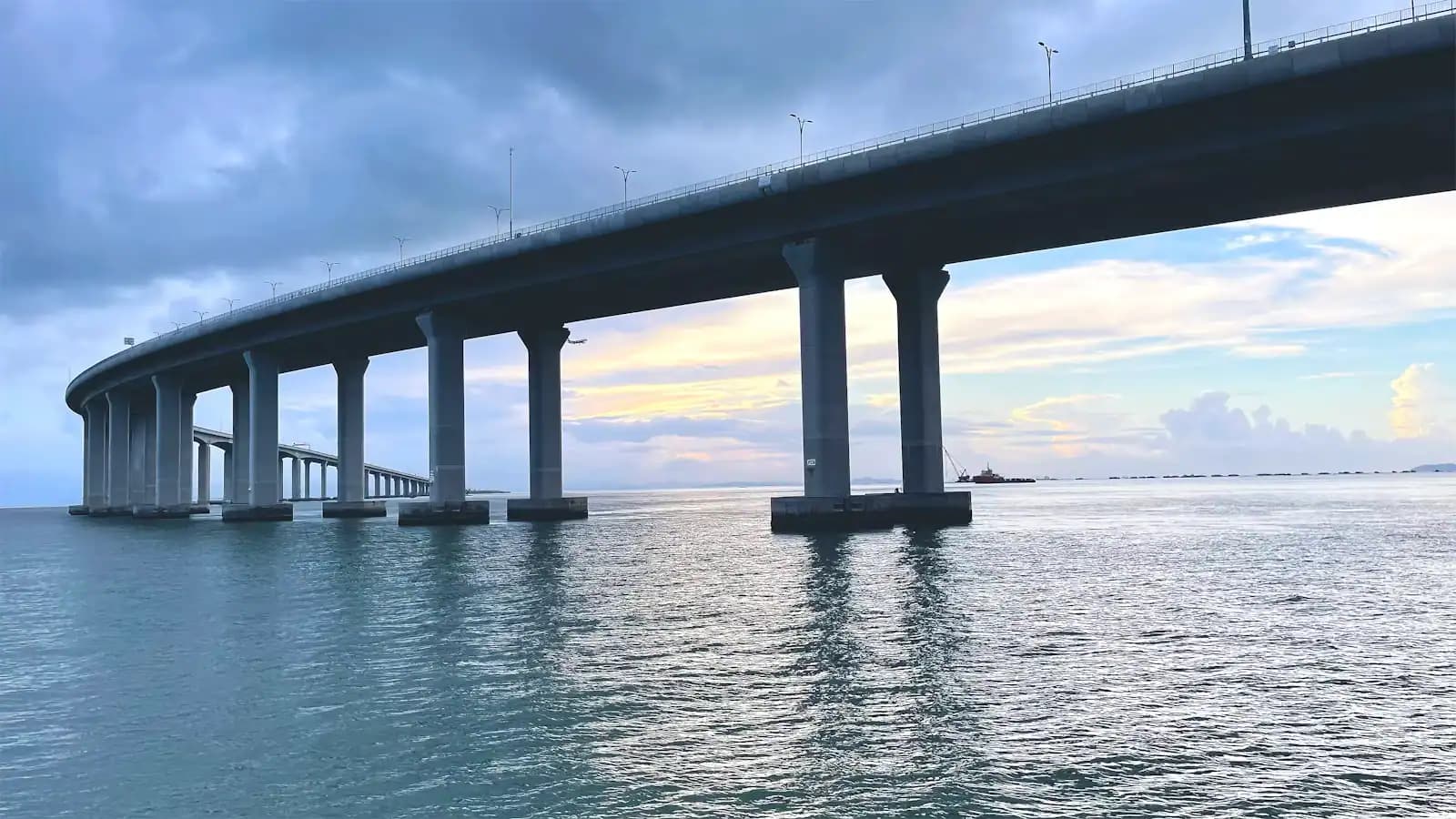
The Biloxi Bay Bridge carries US 90 across the mouth of the bay, and the current span — opened in 2007 to replace the one Katrina destroyed — has a separated lane for walking and cycling along its length.

It is high, it is long, and it gives you the only elevated view available on this coast: the Back Bay behind you, Deer Island lying end-on to the south, the Biloxi peninsula and the casino towers to the west, and the Sound running away towards the barrier islands. On a clear evening it is the best free viewpoint in Harrison or Jackson County.

Allow twenty-five to thirty minutes to walk one way at an unhurried pace. There is no shade, so this is a morning or an evening activity between May and September, and it is properly windy in a front.

Cyclists use it constantly and it links the coast's bike routes on both sides. If you have rented bikes in Biloxi, riding over to Washington Avenue for lunch and back is one of the better days out here and costs nothing but the rental.

What is on Washington Avenue

A few walkable blocks, and that is the appeal. Galleries and studios sit alongside independent shops, a bookshop, coffee places and a set of restaurants that punch above a town this size.

The Walter Anderson Museum of Art is the anchor, halfway along, and it is the single best reason to make this trip; it has its own page in this guide. The Ocean Springs Community Center beside it holds Anderson's murals and is part of the museum.

Shearwater Pottery, founded by Peter Anderson in 1928, still operates on family land on the eastern side of town. Access arrangements have changed over the years, particularly after the 2005 storm damaged the site, so check before making a special trip.

Eating here is better than in most of Biloxi outside the casino restaurants, and the difference is that these are independent kitchens rather than resort operations. Weekend evenings book up; a Tuesday lunch does not.

Parking is on-street and in small lots off the avenue. It fills on festival weekends and on Saturdays in the spring, and the town is small enough that walking three blocks is not a hardship.

The waterfront, the fort and Front Beach

Front Beach runs along the Ocean Springs shoreline facing Biloxi across the bay. It is a narrow, quiet strip of sand with a view of the peninsula and the bridge, used mainly by residents, and it is calmer than anything on the Biloxi side because the bay shelters it. The same caution applies as anywhere on the Mississippi Sound: this is bay water, not clear Gulf water, and beach advisories are posted after heavy rain.

The Fort Maurepas site on the waterfront marks where d'Iberville landed in 1699. What stands there now is a later reconstruction and a park rather than an archaeological site, and it is worth ten minutes for the location rather than for the building.

The small craft harbour sits at the east end of the waterfront, and the Davis Bayou unit of Gulf Islands National Seashore is a few minutes further east off US 90 — the only part of the national seashore in Mississippi you can reach by car.

Put together, that is a half day: bridge, main street, museum, lunch, waterfront. Add the bayou and it becomes a full one.

Near Ocean Springs

Straight-line distances, so allow more on the road — the island is long and has one main parkway.

  • Museum

    A visitor standing in a gallery looking at exhibits mounted on a white wall

    Walter Anderson Museum of Art

    The murals a painter locked in a small room and told nobody about, fifteen minutes from the Biloxi casinos.

    1–2 hoursPaid admission, with reduced rates for students and children and free days offered periodically.480 ft away

  • Nature preserve

    A timber boardwalk curving through dense swamp woodland above still dark water
    Free

    Gulf Islands National Seashore — Davis Bayou

    The only piece of the national seashore in Mississippi with a road to it: oaks, boardwalks, a bayou and a staffed visitor centre.

    1–3 hoursFree to enter and to walk. Camping is charged.2.5 mi away

  • Water feature

    A floating dock on a sheltered bayou with flat water stretching to a low far shore
    Free

    Back Bay of Biloxi

    The sheltered estuary behind the peninsula, where the shrimp grow up and the fleet goes to hide from hurricanes.

    0.5–4 hoursFree. Public ramps, bridges and shoreline access cost nothing, though some ramps may charge for launching.3.3 mi away

  • Nature preserve

    Aerial view of a narrow strip of undeveloped pale sand between green water and dense pine forest
    Free

    Deer Island

    Four hundred acres of state-owned pine and marsh a short paddle off the beach road, with no ferry, no dock and nothing built on it.

    2–5 hoursFree. The cost is the boat.3 mi away

Ocean Springs: common questions

How do you get from Biloxi to Ocean Springs?

East on US 90 across the Biloxi Bay Bridge, about ten minutes by car from the lighthouse. The bridge also carries a separated walking and cycling lane along its full length, so you can walk or ride across: roughly half an hour on foot from the Biloxi side to the Ocean Springs shoreline, with the best elevated view on this coast on the way. Parking downtown is free but limited.

What is there to do in Ocean Springs?

Walk Washington Avenue for the galleries, shops and restaurants, visit the Walter Anderson Museum of Art, and see the Ocean Springs Community Center murals beside it. Add the Fort Maurepas waterfront where the French landed in 1699, Front Beach on the bay, and the Davis Bayou unit of Gulf Islands National Seashore a few minutes east. It is a half day comfortably, a full day if you take the bayou too.

Is Ocean Springs better than Biloxi?

They are not doing the same job. Biloxi has the casinos, the seafood industry, the lighthouse and the ferry connections; Ocean Springs has a walkable downtown, an arts scene with a genuine national reputation, and better independent restaurants. Most visitors stay in Biloxi and come here for a half day, which works well. Staying in Ocean Springs and driving to Biloxi works too, and is quieter.

What is Ocean Springs known for?

Art, and the Anderson family in particular. Peter Anderson founded Shearwater Pottery here in 1928, and his brother Walter Inglis Anderson's paintings and murals made the town nationally known; the museum on Washington Avenue holds the work. The Peter Anderson Festival has run each autumn since 1978. Historically, Ocean Springs is also where Pierre Le Moyne d'Iberville established Fort Maurepas in 1699.