Skip to content
Search
Menu

We earn a commission if you book through this link. You pay the same price.

A bottlenose dolphin breaking the surface of calm open water
Unsplash

Entertainment

Mississippi Aquarium

Last updated

Five and a half acres of aquarium on the Gulfport beach road, opened fifteen years to the day after the storm that emptied it.

Photo: UnsplashUnsplash License

The date on the door is the thing to know. The Mississippi Aquarium opened to the public on 29 August 2020, fifteen years to the day after Hurricane Katrina came ashore, on a beachfront that had been without a marine attraction since the storm destroyed the oceanarium that used to stand in Gulfport. The choice of date was deliberate, and on this coast it was read exactly as it was meant.

What opened is substantial: about 5.8 acres and eighty thousand square feet, twelve major exhibits, over a million gallons of fresh and salt water between them, more than two hundred species of animals and around fifty species of native plants. It cost a reported ninety-three million dollars in federal, state and local grants and private money, and it was designed by a Biloxi architecture practice with an American exhibit-design firm, which is why the three sail forms over the entrance look like a local idea rather than an imported one.

The animals people come for are the bottlenose dolphins, the African penguins, the river otters and the alligators, and the signature piece of engineering is a 360-degree acrylic tunnel that puts sharks and rays over your head as well as beside you. The collection leans deliberately towards the Gulf and the Mississippi river system rather than towards a generic global aquarium, so a good proportion of what you are looking at lives within a hundred miles of the car park.

Two practical points. It is in Gulfport, not Biloxi, about twenty minutes west along the beach road, which surprises people who booked a Biloxi hotel on the strength of it. And a large share of the site is open-air, with habitats, walkways and gardens outside under the Mississippi sun. In July that makes late afternoon considerably more pleasant than midday, and it makes a wet morning less of a guaranteed refuge than an indoor-only aquarium would be.

Getting there and parking

Drive west from Biloxi along US 90, the beach road, for about twenty minutes. The aquarium is on the north side of the highway on the eastern side of Gulfport, roughly a mile and a half before the harbour, and it has its own parking.

From the casino district at the eastern end of the Biloxi peninsula allow closer to half an hour, and more on a Saturday afternoon when US 90 slows through Gulfport.

From Gulfport-Biloxi International Airport it is about ten minutes south. If you are catching the Ship Island ferry the same week, note that the ferry leaves from the Gulfport small craft harbour a short distance further west along the same road, which makes the two easy to combine across two days but a long day to attempt together.

More of it is outdoors than people expect

The floor plan is a campus rather than a single building: indoor galleries and the tunnel, then open-air habitats, boardwalks and planted areas linking them.

Between June and September that shapes the visit. The outdoor sections are hot and unshaded in the middle of the day, and the afternoon thunderstorms that build over this coast can close open-air areas at short notice. Arrive at opening or come late in the afternoon, and take the indoor galleries in the hottest part of the day rather than fighting the sequence the map suggests.

In winter the reverse is true and the outdoor half is the best part of it, with the added benefit that the crowds have gone. January and February here are mild rather than cold.

Feeding and training sessions run to a daily schedule that is posted on arrival. They are the difference between watching a dolphin and understanding what you are looking at, so it is worth building the route around them instead of discovering them by accident.

Why there was no aquarium here for fifteen years

A marine park stood on the Gulfport waterfront before 2005 and was destroyed by Katrina's surge along with most of the rest of the beachfront. The account most often told on this coast is that several of its dolphins were swept out into the Gulf and found alive nearly two weeks later, then recovered. It is repeated widely and in detail, and it is part of the local memory of the storm.

What is not in dispute is the gap. From 2005 the Mississippi coast had no aquarium at all, in a state with a working commercial fishery, a national seashore offshore and a coastline built on its relationship with the water.

Closing that gap took fifteen years and a mix of public grant money and private donation. Opening on the anniversary was a statement about the recovery rather than about marine biology, and it is the reason this building means more here than an aquarium of its size would mean anywhere else.

If you are working through this coast's Katrina history, this belongs on the list alongside the memorial in Biloxi and the rebuilt maritime museum.

With children, and against the alternatives

It works across a wider age range than the coast's other family attractions. Under-fives get the otters, the penguins and the touch pools; older children get the tunnel, the sharks and the training sessions; adults get a genuinely well-built aquarium.

Against Lynn Meadows Discovery Center, fifteen minutes west: the children's museum is better for under-eights who need to run, and cheaper; the aquarium is better for mixed-age groups and for anybody over about ten.

Against Ship Island: no contest on a good day in the ferry season. The island is the better experience and the one you cannot get anywhere else. Keep the aquarium for the day the Gulf is grey, the ferry is not sailing or the season is wrong.

Allow two to three hours. Families with small children who stop at everything should plan on four, and should factor in that the walk between outdoor exhibits is exposed.

Near Mississippi Aquarium

Straight-line distances, so allow more on the road — the island is long and has one main parkway.

  • Neighbourhood

    Rows of boats moored in a marina basin on flat water at first light with a low skyline beyond
    Free

    Gulfport

    Mississippi's second city, twelve miles west along the beach road, holding the Ship Island ferry, the airport and the aquarium.

    1–5 hoursFree to visit. Jones Park and the harbour cost nothing; the ferry, the aquarium and the casinos do not.1.5 mi away

  • Museum

    A young child with both hands on a glowing plasma ball in a hands-on science exhibit

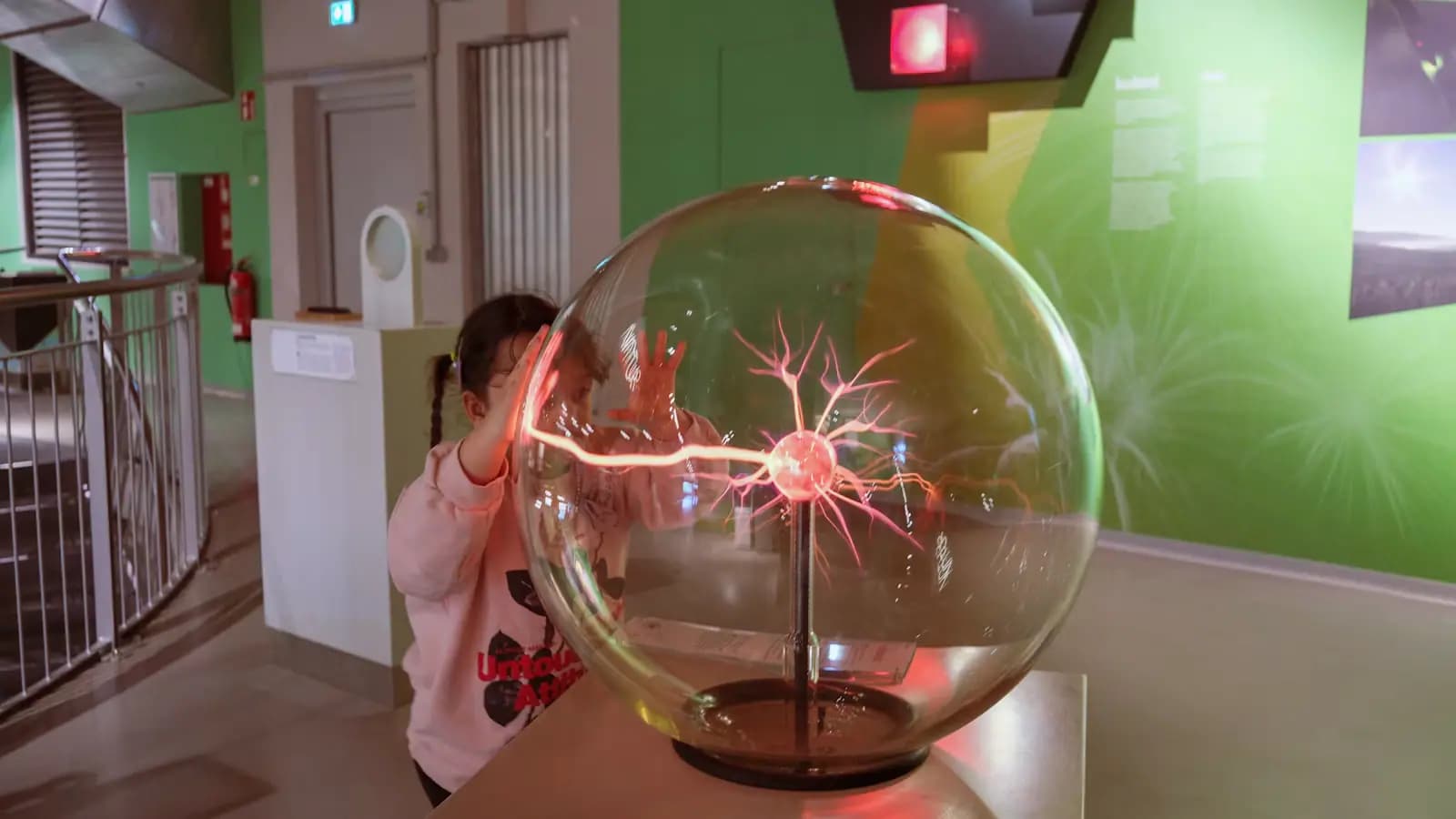
    Lynn Meadows Discovery Center

    A children's museum in a 1915 schoolhouse with seven and a half acres of outdoor play behind it, twenty minutes west of Biloxi.

    2–5 hoursPaid admission per person, with under-ones generally free and memberships available.2.5 mi away

  • Park

    A wide empty stretch of pale sand running away beside shallow clear water with almost nobody on it

    Ship Island

    A barrier island twelve miles offshore with clear Gulf water, a brick fort, and an anchorage that shaped three centuries here.

    4–7 hoursThe island itself carries no entrance fee. Getting there does — the ferry is a ticketed service, and a private charter costs considerably more.12.3 mi away

  • Neighbourhood

    Boats tied along a dock in a sheltered marina basin
    Free

    Pass Christian

    An oyster harbour, a shaded drive of rebuilt houses and the site of the highest storm surge ever measured in the United States.

    2–5 hoursFree. The harbour, Scenic Drive and the waterfront parks cost nothing.11.3 mi away

Mississippi Aquarium: common questions

Is the Mississippi Aquarium in Biloxi?

No. It is in Gulfport, on the beach road about twenty minutes west of the Biloxi Lighthouse, and the two cities are commonly confused by visitors booking from a distance. Allow closer to half an hour from the casino district at the eastern end of the Biloxi peninsula, and longer on a weekend afternoon. There is parking on site, and the drive is straightforward along US 90.

What animals are at the Mississippi Aquarium?

More than two hundred species across twelve major exhibits, weighted towards the Gulf and the Mississippi river system rather than a global collection. The headline animals are bottlenose dolphins, African penguins, American alligators, river otters and beavers, with sharks and rays in the large saltwater habitat crossed by a 360-degree acrylic tunnel. Around fifty species of native plants are part of the outdoor landscaping.

How long do you need at the Mississippi Aquarium?

Two to three hours suits most visitors, and four if you are with young children who stop at every tank or you want to catch several of the daily feeding and training sessions. The site covers about 5.8 acres with a substantial outdoor component, so summer visits go faster than winter ones for the simple reason that the walk between outdoor exhibits is hot.

Why did the Mississippi Aquarium open on 29 August?

Because that is the anniversary of Hurricane Katrina's landfall in 2005. The aquarium opened on 29 August 2020, fifteen years to the day, on a coast that had been without a marine attraction since the storm destroyed the oceanarium that stood in Gulfport. The date was chosen deliberately and was understood locally as a statement about the recovery rather than as a marketing choice.