On this page
- Start with the geography of the founding
- The Ohr-O'Keefe Museum of Art
- The Maritime and Seafood Industry Museum
- The Biloxi Lighthouse
- Beauvoir, and what you should know before you go
- What to know before you go
- Across the bay: Walter Anderson
- A history half-day that actually works
- The history that is harder to find
- Common questions
For a city of fifty thousand people, Biloxi carries an unreasonable amount of history, and most of it is uncomfortable in one way or another. A French colonial landing. A resort coast for antebellum planters. A cannery boom built on immigrant and, for a while, child labour. The last home of the president of the Confederacy. A gaming industry legalised in 1990. And a storm that removed the waterfront in 2005.
The museums here are unusually good at the parts that are about work and water, and one significant site is not a museum in the ordinary sense at all. This page sorts them out.
Start with the geography of the founding
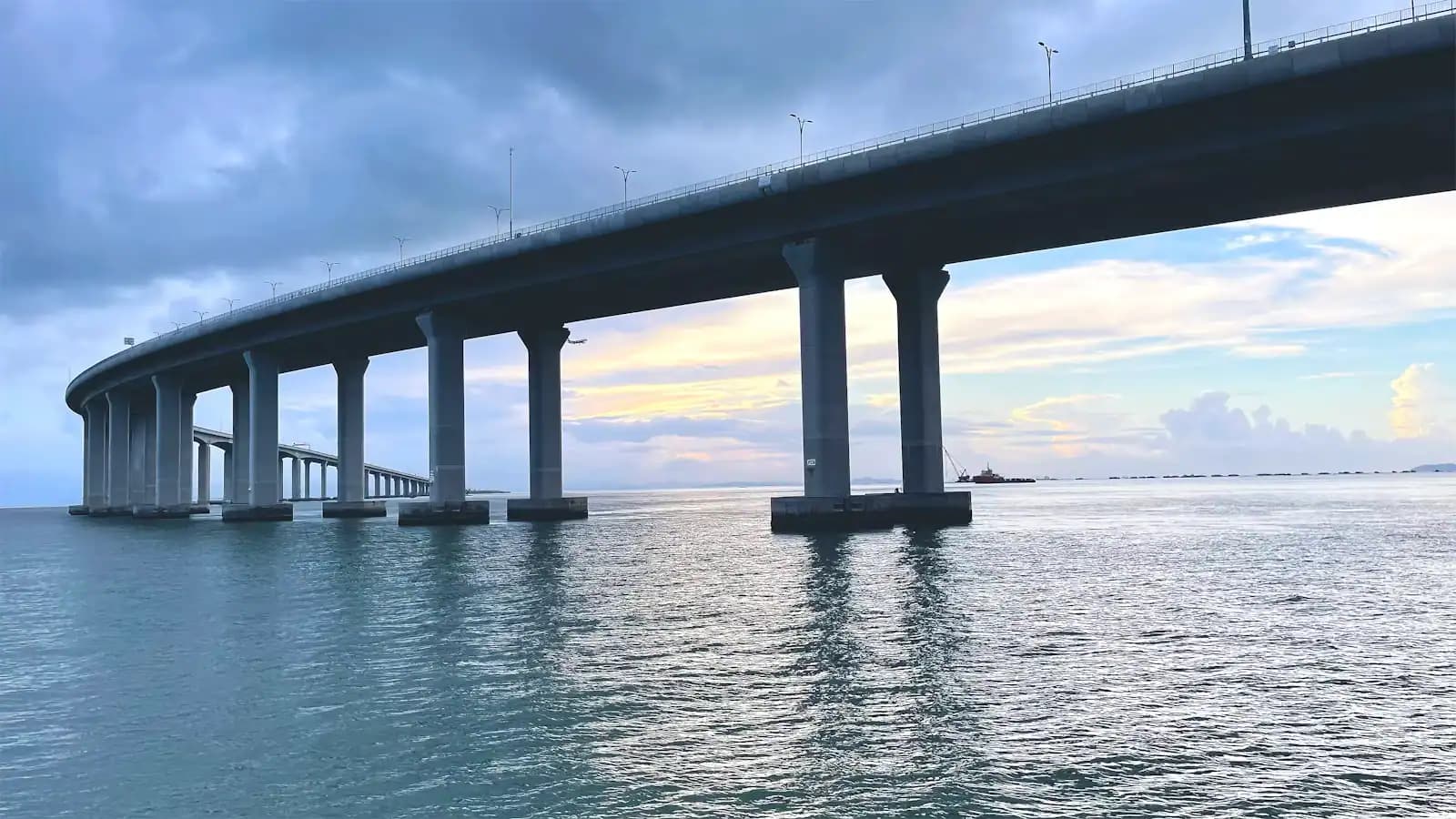
A small correction that changes how the coast reads. The French expedition under Iberville that founded this settlement in 1699 built its fort across the bay, at what is now Ocean Springs. The colony later moved to the peninsula that is Biloxi today. So when you cross the Biloxi Bay Bridge for dinner in Ocean Springs, you are crossing to the older site, and the two towns have been arguing about it amiably ever since.
The Ohr-O'Keefe Museum of Art
The best building on the Mississippi coast, built for a man his neighbours thought was a crank.
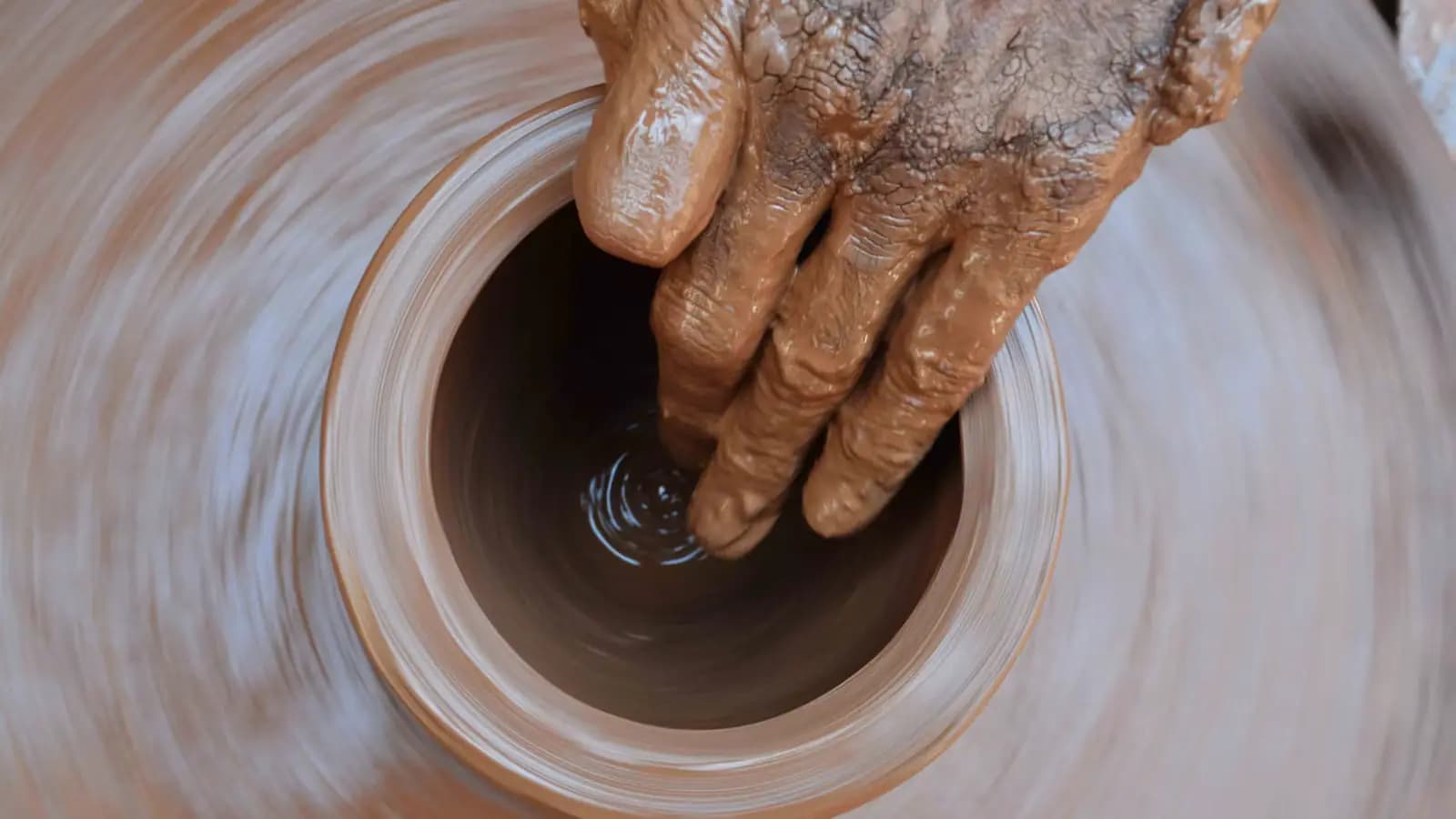
George Ohr, who lived from 1857 to 1918, called himself the Mad Potter of Biloxi and worked from a pottery in the middle of town, throwing vessels with walls as thin as paper and then crumpling, folding and twisting them while the clay was still wet. Almost nobody bought them. He put thousands into storage, convinced that a later century would understand, and he was right: the work resurfaced decades after his death and Ohr is now placed among the most original American potters of his era.
Frank Gehry designed the campus that holds it, a group of stainless-steel pods arranged among the live oaks on a four-acre site by the beach road. The first buildings opened on 8 November 2010, with a ceramics centre following in 2012. The delay has its own reason: in August 2005 a casino barge was driven off its moorings and onto the part-built site.
The campus also holds the Pleasant Reed Interpretive Center, telling the story of a formerly enslaved carpenter who built his family a house in Biloxi in the 1880s. The structure on the campus is a reconstruction; the original did not survive the storm.
Go for the building even if ceramics leave you cold. An hour is enough, two if the galleries have something on.
The Maritime and Seafood Industry Museum
If you only do one museum here, do this one. It is the story of what this city was for.
Founded in 1986, destroyed by Katrina in 2005 and reopened on 2 August 2014 in a purpose-built three-storey building at Point Cadet, it covers shrimping, oystering, net-making, boat-building, the canneries and the schooner fleet, and it does so without romance. Inside it is the Wade Guice Hurricane Museum, which is the most useful explanation of this coast's storm history you will find anywhere.
The museum also operates the two replica Biloxi schooners, the Glenn L. Swetman and the Mike Sekul, from the Schooner Pier Complex. When they sail, they are the best two hours available in this city: shallow-draft, two-masted working boats of the kind that dredged these reefs under sail before engines arrived, crewed by people who will hand you a line.
The Biloxi Lighthouse
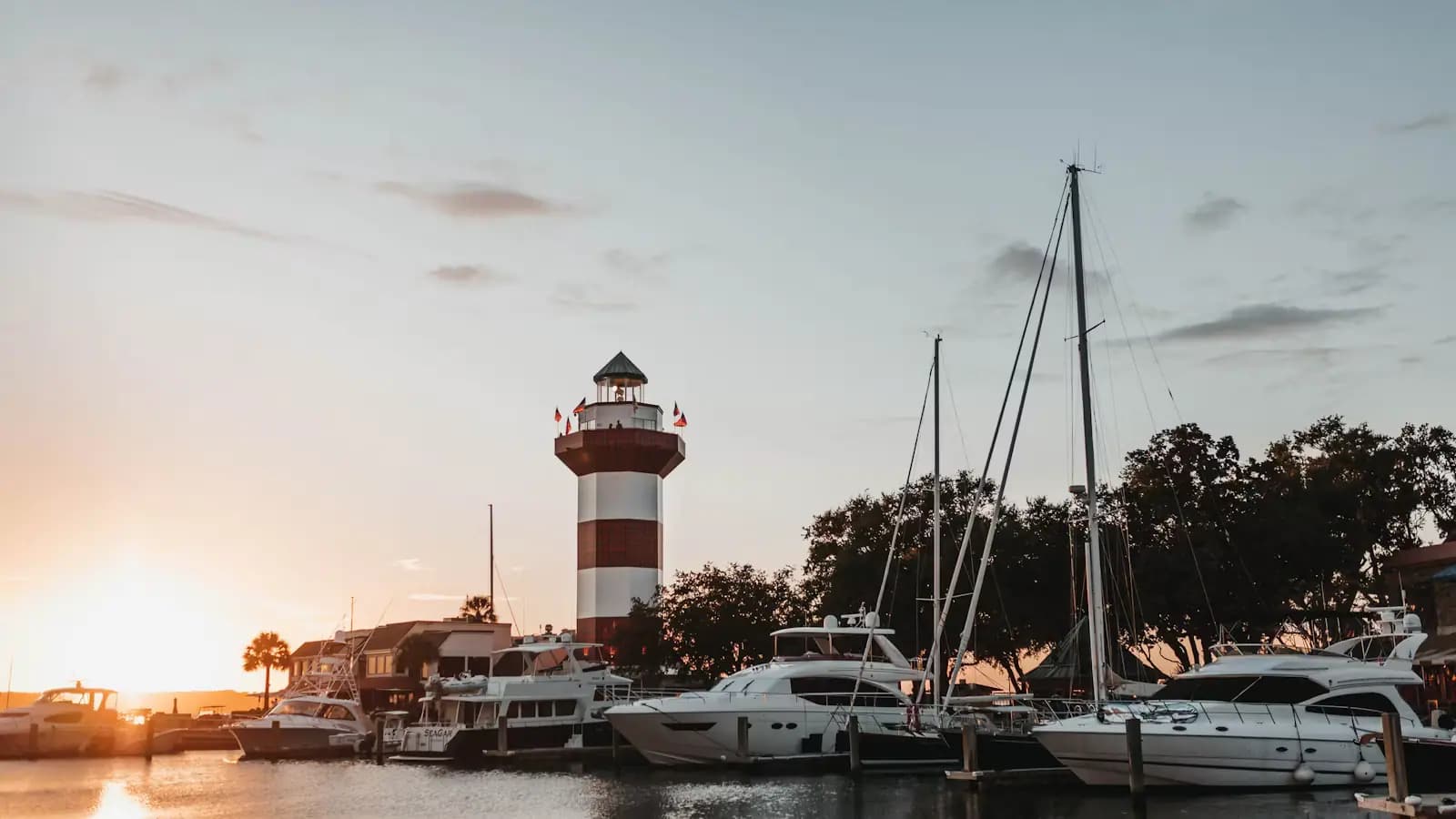
Cast iron, first lit in 1848, a little over sixty feet, standing in the median of US 90 with four lanes of traffic going past on both sides. It is the city's emblem and it is genuinely odd to stand next to.
Two things make it more than a photograph. The first is that it was kept by women for longer than any other lighthouse in the United States: Mary Reynolds took it on in 1854, and Maria Younghans and her daughter Miranda between them kept the light for around sixty-three years. The second is a myth worth killing. The tower was coated in coal tar in 1866, and the story that it was painted black to mourn Abraham Lincoln is not true: it was rust protection.
It came through Katrina, was restored, and was relit in February 2010. The city has at times offered climbing tours; ask at the visitors centre rather than turning up expecting one.
Beauvoir, and what you should know before you go
Beauvoir is the house where Jefferson Davis, the president of the Confederate States, lived from 1877 until his death in 1889, and where he wrote his account of the Confederacy. The house was built between 1848 and 1852 for a planter named James Brown, a raised Gulf Coast cottage designed for heat and storm. Varina Davis sold it in 1902 to the Mississippi Division of the Sons of Confederate Veterans on condition that it serve as a home for Confederate veterans and a memorial, and a veterans' home did operate on the grounds for decades. The organisation still owns and runs the site. There is a cemetery on the property, including a Tomb of the Unknown Confederate Soldier, and a Jefferson Davis Presidential Library.
Katrina destroyed five of the seven major buildings here and roughly forty per cent of the library's collection. The main house reopened on 3 June 2008 and the library in 2013.
What to know before you go
Now the part a guide should say plainly. This is a memorial site operated by a Confederate heritage organisation, not a National Park Service property, and the interpretation offered there has been reported and criticised as a Lost Cause account, one that minimises slavery's centrality to the Civil War. Historians dispute that framing comprehensively.
None of that is a reason to pretend the place is not here. It is one of the most visited historic sites on this coast, it is a genuine piece of nineteenth-century Gulf architecture, and understanding how the Confederacy is memorialised in the present day is a legitimate reason to visit. Go if that interests you, go knowing who is telling you the story, and read something independent about Davis and about slavery in Mississippi either side of the visit. The main house is reached by a broad exterior stair, so settle accessibility questions before you drive over.
Across the bay: Walter Anderson
Fifteen minutes east in Ocean Springs is the other essential art museum on this coast. Walter Inglis Anderson, who lived from 1903 to 1965, rowed a small boat alone out to Horn Island for weeks at a time to draw and paint what lived there, and painted a cottage room at his home in Ocean Springs that nobody saw until after he died. That room, the Little Room, is at the museum, which was dedicated in May 1991. His largest public work, the murals in the Ocean Springs Community Center, is part of the same complex.
It is an hour, it is beside the best walking street on the coast, and it is the single most surprising thing many visitors do here.
| Where | City | Roughly | Go for |
|---|---|---|---|
| Maritime and Seafood Industry Museum | Biloxi | 1.5-2 hrs | What the city was built on, plus the hurricane exhibit |
| Ohr-O'Keefe Museum of Art | Biloxi | 1-2 hrs | The Gehry buildings and one genuinely original artist |
| Biloxi Lighthouse | Biloxi | 15 min | The city's emblem, 1848, in the middle of the highway |
| Katrina Memorial, Town Green | Biloxi | 5-10 min | Names, and the context for everything around it |
| Beauvoir | Biloxi | 1.5-2 hrs | Contested Confederate memorial ground, with preparation |
| Walter Anderson Museum of Art | Ocean Springs | 1 hr | The best art on the coast, and the Little Room |
Check opening days before you set out. Several of these close one or two days a week and the pattern changes with the season, so a phone call or the institution's own page beats any list, including this one.
A history half-day that actually works
The sites are strung along about eight miles of US 90 plus one bridge, so the order matters more than the mileage.
Start at the Town Green downtown: the Katrina Memorial takes ten minutes and gives you the frame. Walk across to the lighthouse in the median, which is two minutes away and needs a signalled crossing rather than a dash.
Drive west to the Ohr-O'Keefe campus, about five minutes, and give it an hour. If you are doing Beauvoir, it is a few minutes further west again and needs at least ninety minutes to be worth doing at all.
Then reverse and run east to Point Cadet for the Maritime and Seafood Industry Museum, which is about fifteen minutes from the Ohr campus along the beach road. Finish there, because the harbour beside it is the right place to end an afternoon.
If you would rather do it in two halves, put Ocean Springs and the Walter Anderson Museum in the second, cross the bay bridge in the late afternoon and stay for dinner.
The history that is harder to find
Some of this city's past is not held in a building with an admission desk, and it is worth knowing that the gaps exist.
The canneries that made Biloxi rich ran on immigrant labour recruited by the season, and for years on children. Lewis Hine photographed them at the shucking benches in the early 1910s for the National Child Labor Committee, and those pictures are in the national record. The seafood museum covers the industry honestly, but the photographs themselves are held elsewhere.
The beach you can walk on for free today was segregated within living memory. Dr Gilbert R. Mason, a Black physician in Biloxi, led three wade-ins on this sand: the first in May 1959, the second on 24 April 1960 and the third in June 1963. The 1960 attempt, when around 125 Black men, women and children went onto the beach, was met by white mobs with rocks and gunfire and became known as the Bloody Wade-In; ten people were shot and Mason himself was arrested. A federal court ruled in 1967 that the beach was public property, and the whole beachfront was open to everyone from 1968.
That is the history behind the sentence "the beach here is free and never fills up", and it does not yet have the museum it deserves. Ask at the visitors centre, where it is discussed, and know it is under your feet while you are standing on the sand.
And the Vietnamese-American fishing community, which has worked out of the Back Bay since the late 1970s and rebuilt much of the shrimping fleet, is present in the city's food and its boats rather than in an institution. Its story is best met at the harbour and in East Biloxi.
Last updated
Opening hours, ordinances and prices move with the season. We re-check this guide rather than rewrite it, and the date above is the last time someone did. How we research and correct.