Skip to content
Search
Menu

We earn a commission if you book through this link. You pay the same price.

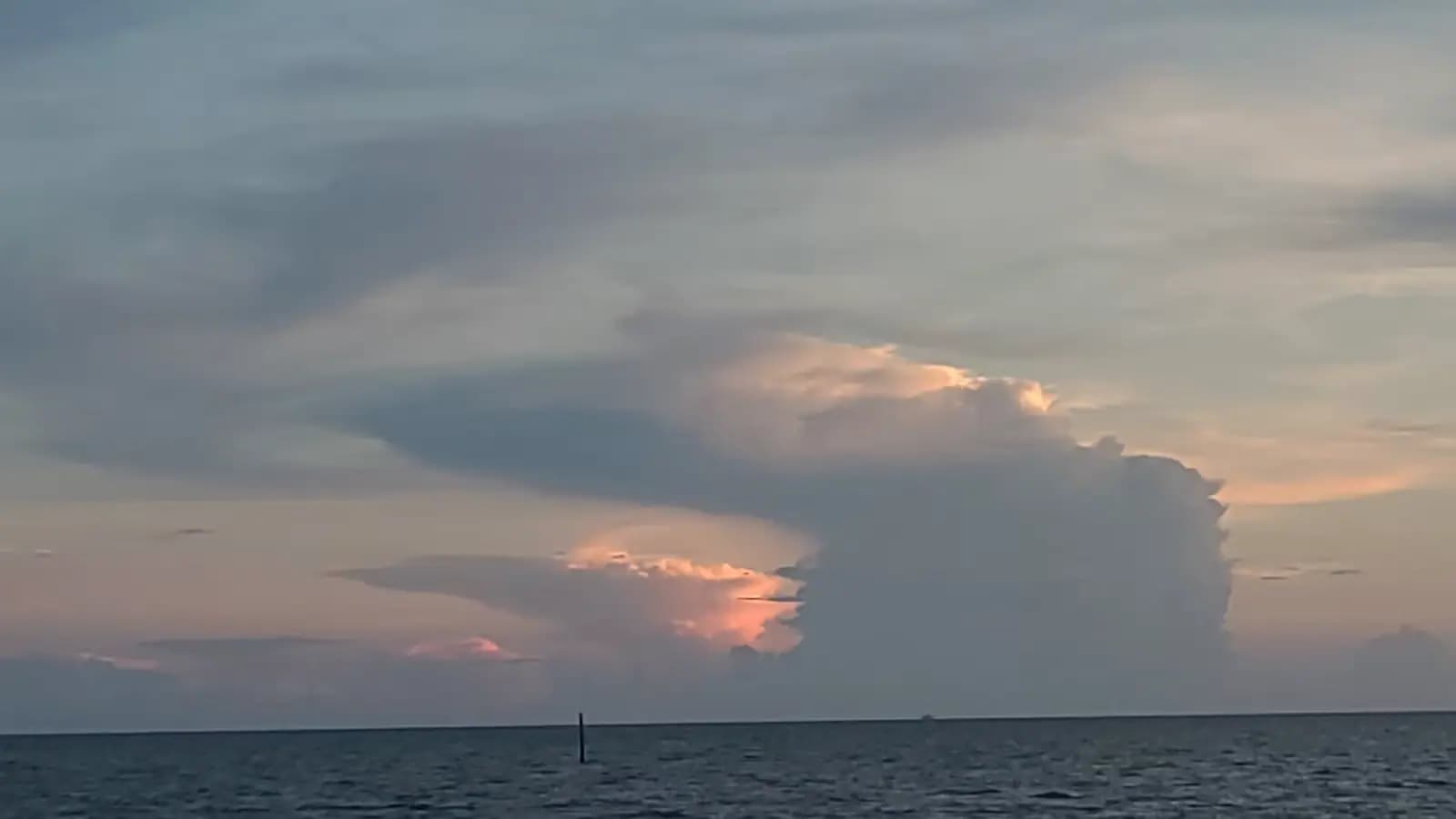
A tall thunderhead building over flat coastal water at dusk with a single channel marker in the foreground
Unsplash

Plan your trip

Best Time to Visit Biloxi: Three Dates Decide Your Trip

Last updated

When to visit Biloxi: the Ship Island ferry runs March to October, September is the hurricane peak, and one October week fills every room on the coast.

Weather is the least useful way to choose your dates for this city. The Mississippi coast is warm from April to October and mild the rest of the time, and that tells you almost nothing about whether a given week will be a good trip. Three other things do, and none of them is on a forecast.

The first is the ferry. The boat to Ship Island, the only clear Gulf water within reach of this coast, sails from Gulfport between the middle of March and the end of October, with a thinner pattern of sailing days outside high summer. From November to mid-March there is no scheduled public way to the island at all. If the island is the point of your trip, that single fact eliminates four and a half months of the year before you have looked at a temperature.

The second is the hurricane season, open on this coast from the first of June through the thirtieth of November, with the statistical peak in September. This is not an abstraction here. Katrina came ashore on 29 August 2005 with a surge of roughly twenty-two feet at Biloxi, and a high-water mark of 34.1 feet above sea level was recorded on the Beau Rivage's tower, the highest measured in any United States hurricane. September on this coast means refundable rates and travel insurance rather than avoiding the month entirely.

The third is one week in early October. Cruisin' the Coast brings something in the order of ten thousand classic cars to thirty miles of US 90, and published dates for 2026 are 4 to 11 October. Rooms from Bay St Louis to Pascagoula sell out months ahead and rates roughly double. That week is either the whole reason you came or the week to step around, and there is no middle position.

Work out where you stand on those three and the answer usually falls out by itself. For most visitors it is late April into May, or October outside Cruisin' week: warm, dry, a running ferry and manageable crowds. For anyone who does not need the island, November is the quiet bargain of the year. And for anyone who wants the city at its cheapest, midweek in January will get you an oceanfront room for less than a motel inland costs in July.

The three fixed dates, in order of importance

When to go

1. The Ship Island ferry: mid-March to the end of October. The single most consequential date in this destination. The boat sails from Jones Park at Gulfport harbour, about twenty-five minutes west of the casino strip, and the crossing takes roughly an hour each way. Outside the summer weeks the sailing pattern thins to fewer days, so book the boat before you book the room and confirm the current schedule with the operator rather than a figure you read last year.

2. Hurricane season: 1 June to 30 November, peaking in September. The practical instruction is narrow and worth following: from August into early October, pay the difference for a refundable rate and buy travel insurance that actually covers named storms. Evacuation routes on this coast are signed, the ground floors along the beach road are built the way they are for a reason, and a watch or a warning will close boats, ferries and sometimes bridges well before anything makes landfall.

3. Cruisin' the Coast: published 2026 dates are 4 to 11 October. Ten thousand or so classic cars spread along thirty miles of the beach road, with the whole coast booked out months in advance and rates roughly doubled. US 90 becomes an event rather than a road. Decide which side of this you are on early.

A fourth, softer date: Carnival, which runs from Twelfth Night to Fat Tuesday and therefore moves with Easter. Biloxi mounted Mississippi's first city-sponsored Mardi Gras parade on 3 March 1908, with a queen titled Ixolib, which is Biloxi spelled backwards, and the season still brings parades here, in Gulfport and in Ocean Springs. Check the date before booking a February trip expecting either quiet or a parade.

The water's own calendar

The Mississippi Sound behaves differently from the open Gulf and it changes your month.

Temperature swings hard. It is shallow, so it loses heat fast in winter and gains it fast in spring. It bottoms out near the high fifties in January and reaches the mid eighties by August. Nobody swims here in winter. By late May it is warm enough that nobody thinks about it.

Clarity is not seasonal, it is structural. Five river systems drain into this Sound and the barrier islands twelve miles out hold back the clear Gulf water. The mainland water is tea-coloured most of the year by nature, not by pollution, and no month fixes that. Clear water means the island, which means the ferry, which means mid-March to October.

Rain changes the water quality, not just the weather. The state environmental agency samples the mainland beaches and posts water-contact advisories, and after heavy summer rain they are routine rather than exceptional. Check the morning you plan to swim.

2019 is the reference case for how far this can go. Prolonged Bonnet Carre Spillway openings that year pushed an estimated ten trillion gallons of Mississippi River freshwater into the Sound across a record 123 days. The harvestable oyster reefs died, and in June 2019 all twenty-one Mississippi beaches were closed to water contact. That was extreme. It is also the honest reason the water advice in this guide is specific rather than reassuring boilerplate.

Wind matters more than swell. There is no real surf here. What makes a boat day unpleasant is a stiff southerly across a shallow short-fetched sound, which turns it choppy and brown within an hour. Calm mornings are the rule from spring through autumn; the sea breeze fills in later.

Crowds and prices, which do not move together

What it costs

A casino economy prices differently from a beach economy, and it catches people out.

The cheapest weeks are midweek from late November through February, excluding Carnival weekends. Sunday to Thursday in January on this strip is about as inexpensive as an oceanfront room gets in the United States. Nothing about the city closes: the casino floors, the museums and the restaurants all run.

The most expensive week of the year is Cruisin' the Coast in early October, published for 2026 as 4 to 11 October, when rates across the whole coast roughly double and availability disappears months ahead.

Carnival weekends in January or February spike locally around parade days.

Summer is expensive without being scarce. June through August carries the highest sustained rates and the largest crowds, and it is also the hottest, wettest and stormiest stretch of the year.

Weekends spike regardless of season, because this is a drive-in market from Mississippi, Alabama and Louisiana. A Saturday in February can cost more than a Wednesday in June, especially with an arena act booked.

The genuine value window is the second half of April and the first half of May, and the last three weeks of October. Warm, dry, ferry running, and rates that have not yet reached their summer level or have come off it.

A Shuckers home stand lifts downtown demand a little; a major arena show on the strip lifts it a lot. If a date looks oddly expensive, check what is on.
Month by month

How they compare

Temperatures are rounded approximations of published monthly normals for the Mississippi coast, in Fahrenheit. Water is the Mississippi Sound, which is shallow and therefore swings further and faster than the open Gulf.

MonthTypical high / lowWaterFerryWhat it is like
January60 / 42High 50sNoCheapest month. Museums and casino floors; the beach is for walking
February63 / 45High 50sNoCarnival lands here most years. Otherwise quiet and cheap
March69 / 51Low 60sFrom mid-monthFerry restarts; spring break fills the beach road for two weeks
April76 / 58Mid 60sYesExcellent. Dry, warm, humidity not yet arrived
May84 / 66Low 70sYesThe best all-round month. Island quiet, water warming
June89 / 73High 70sYesHot and humid; afternoon storms begin; hurricane season opens
July91 / 75Low 80sYesPeak heat and peak crowds. Everything happens before noon
August91 / 75Mid 80sYesWarmest water of the year and the heaviest air
September87 / 71Low 80sYesStatistical peak of hurricane season. Book refundable
October79 / 61Mid 70sTo end of monthSuperb, except Cruisin' week. Humidity finally breaks
November70 / 51Upper 60sNoThe quiet reward: clear, cheap, best walking of the year
December63 / 45Low 60sNoMild and empty. Casino rates near their floor

The pattern to read out of that: the two best months are May and October, for opposite reasons. May gives you a warm, quiet island before the summer crowd. October gives you dry air, clear light and a ferry that is still running, as long as you avoid one week of it.

Hurricane season, handled properly

Dark storm cloud building over open water at duskUnsplash
Dark storm cloud building over open water at dusk

Before you book

This section is factual rather than dramatic, because both panic and denial lead to bad decisions.

The Atlantic season runs from 1 June to 30 November. Activity on this coast concentrates from mid-August into early October, and September is the statistical peak. In any given week the probability that a named storm affects your specific trip is low. Over a fortnight in September it is not negligible.

What happened here is the reason the local approach is what it is. Katrina made landfall on the morning of 29 August 2005. The surge at Biloxi reached roughly twenty-two feet, a high-water mark of 34.1 feet above sea level was recorded on the Beau Rivage's tower, the waterfront was destroyed, and people died. The memorial on the Town Green carries a hundred and seventy names.

What to actually do.

Book refundable. From August through early October the difference between a refundable and a non-refundable rate on this coast is the best money you will spend, and the same goes for travel insurance that names tropical systems rather than excluding them.

Watch the forecast from five days out rather than two. Coastal evacuations are called on lead times measured in days, and a storm does not need to hit Mississippi to close boats and empty hotels.

Understand what closes first. Ferries and charters stop well before landfall, because small craft need to be secured. Bridges can close in high wind. The casinos have their own storm procedures and will close and evacuate guests when told to.

Know your route. Evacuation routes are signed throughout the coast and the state publishes them. If you are told to go, go north and early; the interstate west toward New Orleans is the worst option.

And one piece of local colour that is also a reassurance: the Air Force Reserve crews who fly aircraft into these storms to measure them are based at Keesler Air Force Base inside this city. The data your forecast is built on partly comes from here.

The verdict, by what you actually want

How they compare

If you wantCome inWhy
The island, quietlyLate April to mid-MayFerry running, water warming, before the summer crowd
The island, warm waterJuly and AugustMid-eighties in the Sound, and everything done before noon
The best all-round weatherThe last three weeks of OctoberHumidity gone, ferry still sailing, clear light
The cheapest possible tripMidweek, January or early DecemberOceanfront rates at their floor, everything open
The best walking and cyclingNovemberSixties and low seventies, dry, empty, no ferry
Classic cars and a street party4 to 11 October 2026Cruisin' the Coast; book many months ahead
ParadesTwelfth Night to Fat TuesdayParading here since 1908; the date moves with Easter
Fishing inshoreNovember to MarchSpeckled trout and redfish hold in the Back Bay and bayous
To avoid the worst riskNot late August or SeptemberThe statistical peak of hurricane season on this coast

If you would rather have one sentence: come in May or late October, book the ferry before the hotel, and pay for the refundable rate if your dates fall in September.

On the ground

Where to go

Every place below has its own page — hours, parking, what it costs and what to expect when you get there.

  • Park

    A wide empty stretch of pale sand running away beside shallow clear water with almost nobody on it

    Ship Island

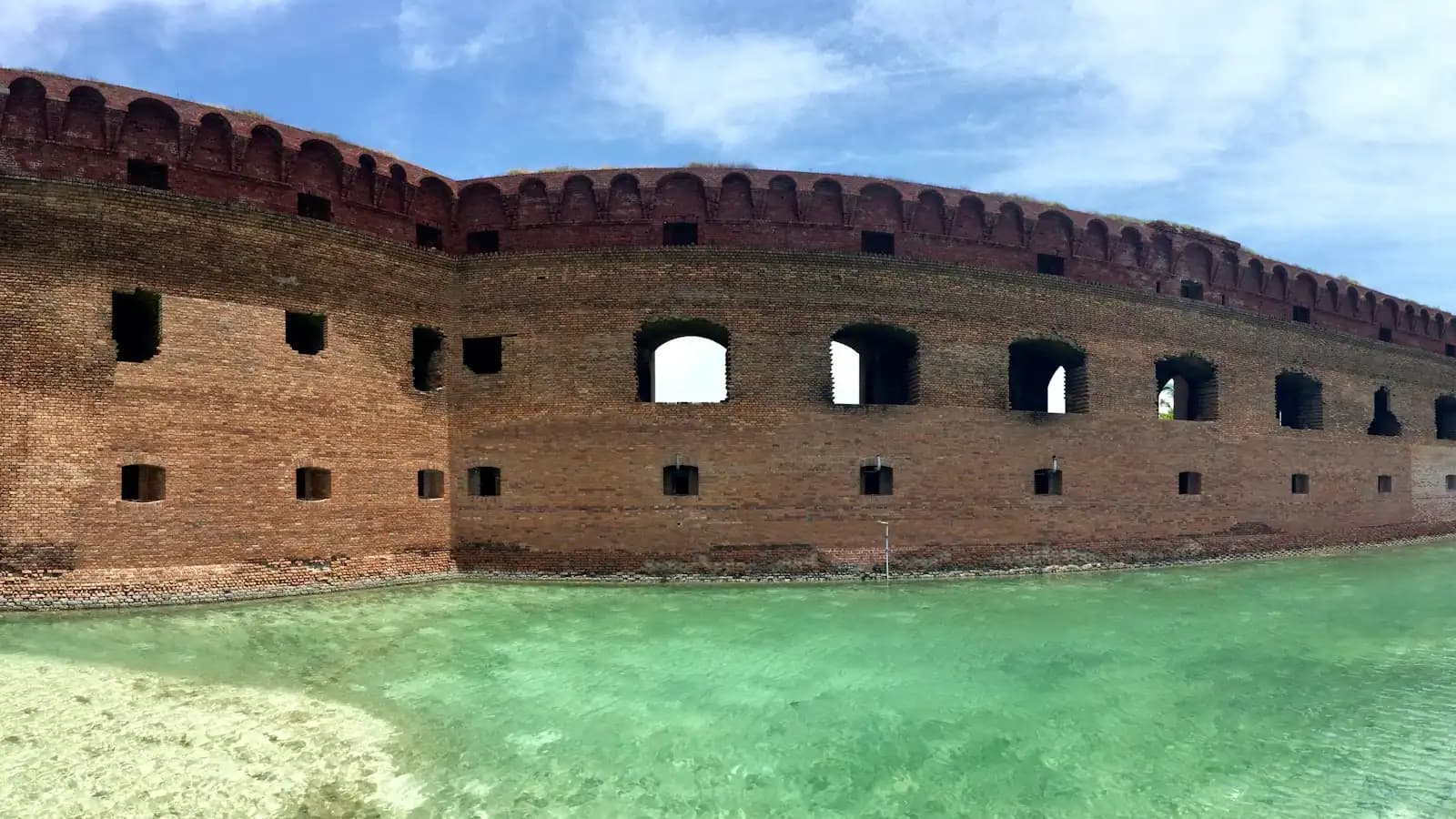
    A barrier island twelve miles offshore with clear Gulf water, a brick fort, and an anchorage that shaped three centuries here.

    4–7 hoursThe island itself carries no entrance fee. Getting there does — the ferry is a ticketed service, and a private charter costs considerably more.

  • Landmark

    A lighthouse rising above a low building at the water's edge
    Free

    Biloxi Lighthouse

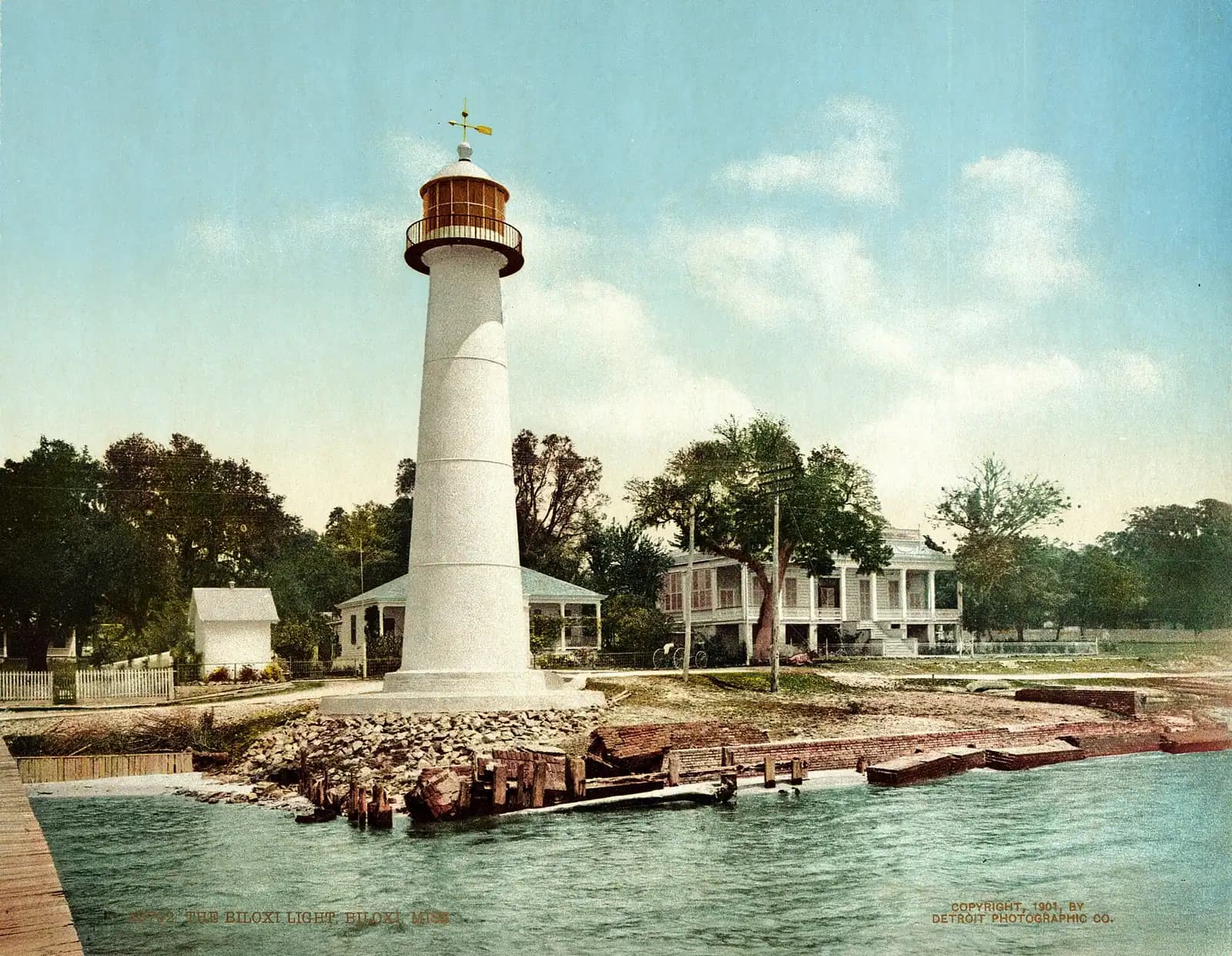
    An 1848 cast-iron tower marooned in the median of a four-lane highway, kept for sixty-three years by one family of women.

    0.5–1 hoursFree to see and photograph from the street or the beach. Climbing the tower carries a small fee when climbs are running.

  • Historic site

    Spanish moss hanging in curtains from the spreading limbs of a live oak
    Free

    Katrina Memorial

    A monument on the Town Green carrying the names of people who died in this city on 29 August 2005.

    15–30 minutesFree. There is no ticket and no attendant.

  • Beach

    Low evening sun over a wide empty beach with wet sand reflecting the sky
    Free

    Biloxi Beach

    Miles of public sand along the beach highway, free to use, shallow a long way out, and with no shade anywhere on it.

    1–4 hoursFree. The sand is public along its whole length and parking along the frontage is free in most places.

  • Nature preserve

    A timber boardwalk curving through dense swamp woodland above still dark water
    Free

    Gulf Islands National Seashore — Davis Bayou

    The only piece of the national seashore in Mississippi with a road to it: oaks, boardwalks, a bayou and a staffed visitor centre.

    1–3 hoursFree to enter and to walk. Camping is charged.

  • Water feature

    A floating dock on a sheltered bayou with flat water stretching to a low far shore
    Free

    Back Bay of Biloxi

    The sheltered estuary behind the peninsula, where the shrimp grow up and the fleet goes to hide from hurricanes.

    0.5–4 hoursFree. Public ramps, bridges and shoreline access cost nothing, though some ramps may charge for launching.

  • Landmark

    A lighthouse rising above a low building at the water's edge
    Free

    Biloxi Visitors Center

    Free parking, restrooms and a staffed desk opposite the lighthouse, in a city where half of what you want to do is seasonal.

    15–45 minutesFree, including parking. Lighthouse climbs are ticketed separately when they run.

Straight answers

Questions people actually ask

What is the best month to visit Biloxi?

May or October, for different reasons. May gives you warm air, water climbing through the seventies, a running ferry and an island that is not yet busy. The last three weeks of October give you dry air after the humidity breaks, clear light, water still in the mid seventies and a ferry running to the end of the month. Avoid 4 to 11 October 2026, which is Cruisin' the Coast week.

When does the Ship Island ferry run?

From the middle of March to the end of October, with fewer sailing days outside high summer. It leaves from Jones Park at Gulfport harbour rather than from Biloxi, and the crossing takes about an hour each way across roughly twelve miles of the Mississippi Sound. From November to mid-March there is no scheduled public boat to the island at all. Book the sailing before you book the room and confirm the current schedule with the operator.

Is it safe to visit Biloxi during hurricane season?

Generally yes, with sensible booking. The season runs 1 June to 30 November and concentrates from mid-August into early October, with September the statistical peak. In any given week the chance a named storm affects your trip is low. What matters is choosing a refundable rate and insurance that covers tropical systems, watching the forecast from five days out, and knowing that ferries and charters stop well before anything makes landfall.

What is Cruisin' the Coast and should you avoid it?

It is a classic car event that brings something in the order of ten thousand vehicles to thirty miles of US 90 along the Mississippi coast, with published 2026 dates of 4 to 11 October. Rooms from Bay St Louis to Pascagoula sell out months in advance and rates roughly double. If cars are your thing it is one of the biggest events of its kind in the country. If not, it is the one week of the year to plan around.

How hot does Biloxi get in summer?

Highs run to about ninety degrees from June through August and the overnight low rarely drops below the mid seventies, but the number understates it. The humidity here is the part visitors underestimate, and the heat index sits well above the air temperature. Thunderstorms build inland late morning and roll back over the coast most afternoons. The practical answer is to do everything outdoors before noon and everything indoors after it.

When is the water warm enough to swim in Biloxi?

Roughly late May through October. The Mississippi Sound is shallow, so it warms and cools faster than the open Gulf: it bottoms out near the high fifties in January and reaches the mid eighties by August. Warmth is not the limiting factor, though. Check the state's water-contact advisories, which are posted after heavy rain and are routine in summer, and remember that the water is tea-coloured by nature rather than by pollution.

When is Mardi Gras in Biloxi?

The Carnival season runs from Twelfth Night on 6 January to Fat Tuesday, so the date moves each year with Easter and can fall anywhere from early February to early March. Biloxi's claim here is real: Mississippi's first city-sponsored Mardi Gras parade rolled in this city on 3 March 1908, with a queen titled Ixolib, which is Biloxi spelled backwards. Parades run in Biloxi, Gulfport and Ocean Springs.

When is the cheapest time to visit Biloxi?

Midweek from late November through February, excluding Carnival weekends. Sunday to Thursday in January on the casino strip is about as cheap as an oceanfront room gets in the United States, and nothing closes: the casino floors, the museums and the restaurants all run through winter. The trade-off is that the Ship Island ferry has stopped for the season and the Sound is far too cold to swim in.