Skip to content
Search
Menu

We earn a commission if you book through this link. You pay the same price.

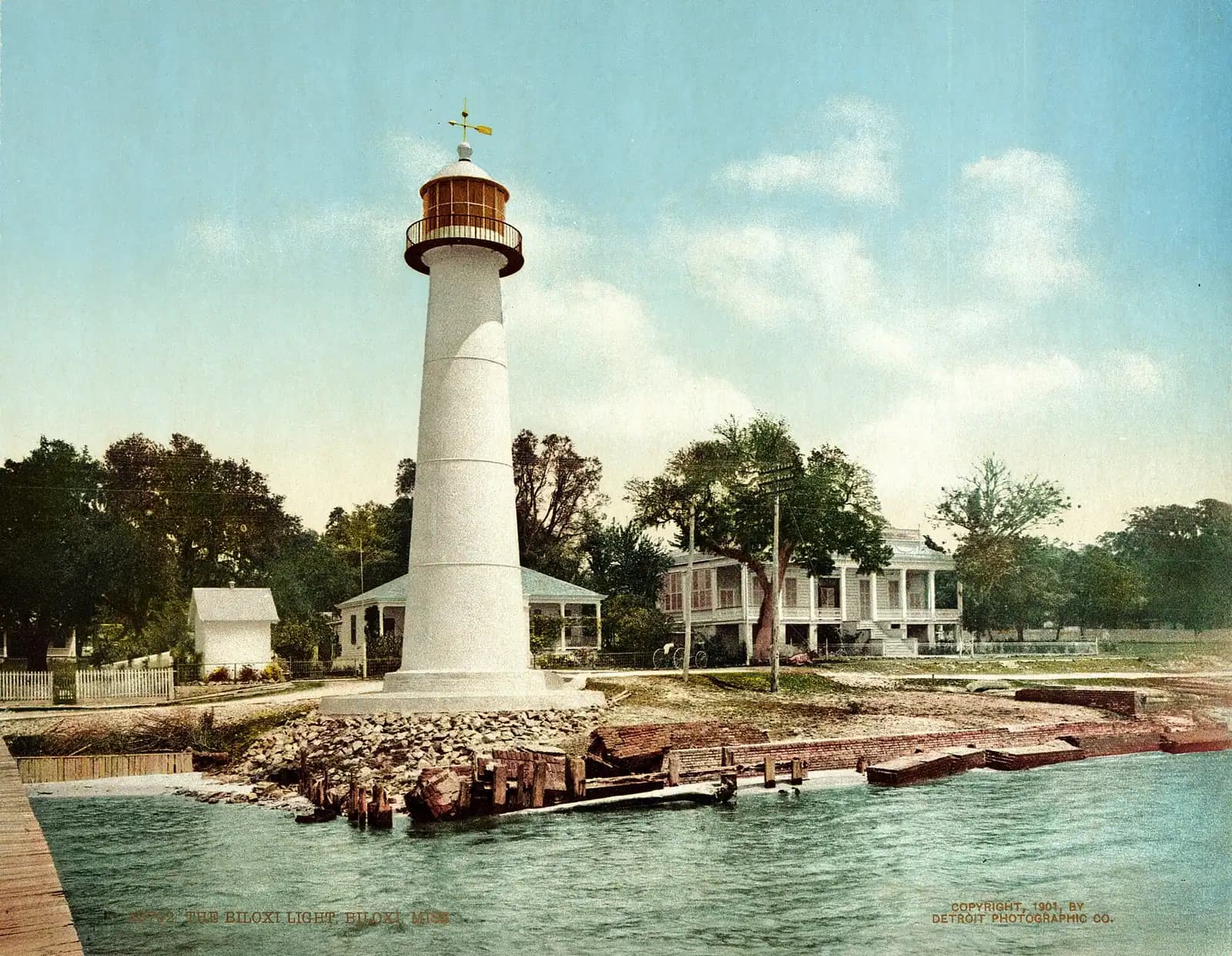
A lighthouse rising above a low building at the water's edge
Detroit Publishing Co.

Landmark

Biloxi Lighthouse

Last updated

An 1848 cast-iron tower marooned in the median of a four-lane highway, kept for sixty-three years by one family of women.

Photo: Detroit Publishing Co.Public domain

Four lanes of US 90 were rebuilt around this tower rather than through it, and that is the first thing to understand about it. The highway splits at the foot of Porter Avenue, runs either side of a narrow concrete island, and closes up again beyond. On that island stands the oldest thing in Biloxi that anybody crosses the road to see.

It was first lit in 1848 and it is made of cast iron — prefabricated in curved plates, bolted together on site and lined with brick — at a period when nearly every American light was built of masonry. Iron was cheaper and faster, which is why the Treasury bought it. That it also turned out to be the more survivable choice on a hurricane coast was a happy accident nobody was planning for. The tower runs to about sixty-one feet, which is short by lighthouse standards and exactly tall enough for a shoreline with nothing else on it.

The keepers are the reason this light is more than a photo stop. Mary Reynolds took the post in 1854 and held it through the opening of the Civil War. Maria Younghans was appointed in December 1867 and did not step down until the last day of 1918, fifty-one years later; her daughter Miranda then kept it until 1929. Sixty-three years of one family, most of it two women, on a federal appointment in an era that did not hand many out.

Then there is the paint. Half the guides on this coast will tell you the tower was blacked in 1865 for Lincoln's assassination. The contemporary record says it was tarred in 1866 to stop the iron rusting, which is duller and true.

In August 2005 the water went far above the door and the buildings on both sides of the highway came apart. The tower did not. It was relit in a public ceremony in February 2010 after repairs that ran past four hundred thousand dollars, and it has been the image the city recovers around ever since.

Getting there and parking

The tower stands in the median of US 90 — Beach Boulevard — at the foot of Porter Avenue, roughly in the middle of the Biloxi waterfront and within sight of the casino towers to the east.

Driving, there is free public parking along the beach frontage on the south side of the highway and a lot at the visitor centre on the north side. Both are a two-minute walk from the crossing. Do not stop on the median itself; there is nowhere to put a car and the shoulder is not one.

The signalised pedestrian crossing at Porter Avenue is the only sensible way over. US 90 carries four fast lanes here and sightlines along the median are poor.

From the casino strip at Point Cadet it is about ten minutes west by car, or a long flat walk along the beachfront path if the weather is kind. From Gulfport, drive east on US 90 for roughly twenty minutes. Gulfport-Biloxi International Airport is about twenty-five minutes away by road.

It is in a traffic island, and you have to cross to it

There is no car park at the lighthouse, because the lighthouse is in the middle of a highway. Park on the beach side of US 90 along the frontage, walk to the signalised crossing at Porter Avenue, and use it. People do improvise a dash across four lanes of sixty-mile-an-hour traffic and it is a genuinely stupid idea, particularly with children.

The city's visitor centre sits on the north side of the highway opposite the tower, which is where the climb is organised from when it is running and where you will find shade, restrooms and somebody who can answer a question. That building is a good first stop in Biloxi generally.

For photographs, the light sits almost due north of the beach, so the sun is behind you if you shoot from the sand in the late afternoon and behind the tower if you shoot from the visitor centre side. The classic frame — white tower, black-tarred base, water behind — is taken from the beach looking back across the road, and it works best in the hour before sunset when the traffic thins and the iron goes warm.

Budget fifteen minutes if you are looking, an hour if you are climbing. It is a stop, not a morning, and it pairs naturally with the Small Craft Harbor a little further east along the same road.
Three keepers, one family, sixty-three years

Keeping a light was federal employment, and in the nineteenth century it was one of the very few federal jobs a woman could hold — usually as a widow inheriting her husband's post. Biloxi took that further than almost anywhere.

Mary Reynolds was appointed in 1854 and held the station into the Civil War, when the light was darkened and the lens removed for safekeeping. Maria Younghans came in at the end of 1867, and the bare arithmetic of her tenure is the striking part: she was still climbing those stairs at the end of 1918. Fifty-one years of trimming wicks, hauling oil up a cast-iron spiral and standing watch in weather that regularly came over the road.

Her daughter Miranda succeeded her and kept the light until 1929. Sixty-three years of Younghans, in a tower barely wide enough for two people to pass on the stair.

There is a hurricane story attached to Maria that locals will tell you — that she stayed with the light through a storm that took the shoreline with it — and the details vary with the teller, so treat it as tradition rather than record. What is not in doubt is the length of the service, and it is the thing worth carrying away from a ten-minute stop at a traffic island.

August 2005, and the five years that followed

The storm surge on the morning of 29 August 2005 reached far above the lighthouse door, destroyed the buildings along both sides of the beach road and killed people in this city. The tower stayed standing. Iron bolted into a brick core, sixty-one feet of it, presenting almost no flat surface to moving water: it is a shape that survives a surge in a way that a shopfront does not.

Standing is not the same as unharmed. The interior brickwork was badly damaged, the wiring was gone, the fence and the exterior lighting were destroyed, and the tower sat dark. Repairs were reported at more than four hundred thousand dollars and took years to finish. A public re-lighting ceremony was held in February 2010.

In the interval the lighthouse did something a building does not usually do. Photographs of it standing over a flattened waterfront went everywhere, and it became the thing the city put on its letterhead, its signs and its recovery campaigns. When people here say the lighthouse is the symbol of Biloxi, that is not a tourism-board line — it is a specific reference to a specific five years.

Almost everything else a visitor sees along this stretch of US 90 is younger than 2006. The tower is not, and that contrast is the single most useful thing to hold in your head while you walk this coast.

Climbing it: short, hot, and not always on

The interior is open to the public only on a limited pattern, historically a short window on weekday mornings, organised from the visitor centre across the highway and sold on the day rather than booked far ahead. The city has also run it for groups by arrangement. None of that is stable enough to print a schedule for, so check the current arrangement before you build a morning around it.

What you get for the fee is a narrow cast-iron spiral, a low door at the top and a gallery with a view over the Sound, the beach road and the casino towers. It is a small tower and it is a quick climb, but the stair is tight, the iron holds heat, and in July the inside of a black-painted metal tube on the Gulf coast is exactly as warm as that sounds.

There is no lift and no alternative route to the top. Anyone with limited mobility, a fear of enclosed spaces or a pushchair should plan to admire it from the ground, which costs nothing and is what most visitors do anyway.

Two practical notes. Numbers per climb are small, so if a cruise-sized group is ahead of you the wait is real. And the tower closes for weather without notice, which on this coast between June and November is not a remote possibility.

Near The Lighthouse

Straight-line distances, so allow more on the road — the island is long and has one main parkway.

  • Landmark

    A lighthouse rising above a low building at the water's edge
    Free

    Biloxi Visitors Center

    Free parking, restrooms and a staffed desk opposite the lighthouse, in a city where half of what you want to do is seasonal.

    15–45 minutesFree, including parking. Lighthouse climbs are ticketed separately when they run.1 mi away

  • Beach

    Low evening sun over a wide empty beach with wet sand reflecting the sky
    Free

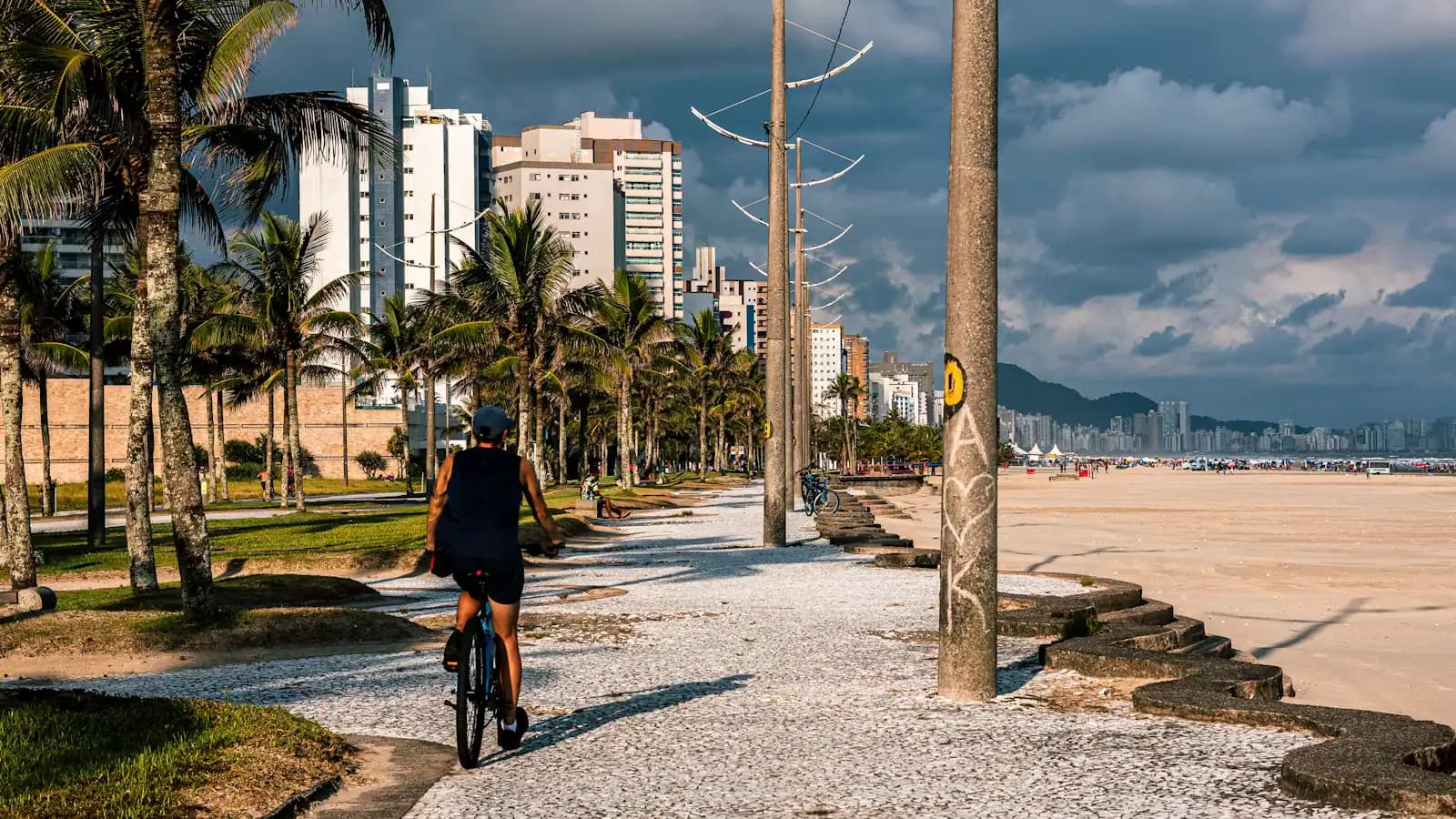
    Biloxi Beach

    Miles of public sand along the beach highway, free to use, shallow a long way out, and with no shade anywhere on it.

    1–4 hoursFree. The sand is public along its whole length and parking along the frontage is free in most places.0.6 mi away

  • Marina

    Rows of boats moored in a marina basin on flat water at first light
    Free

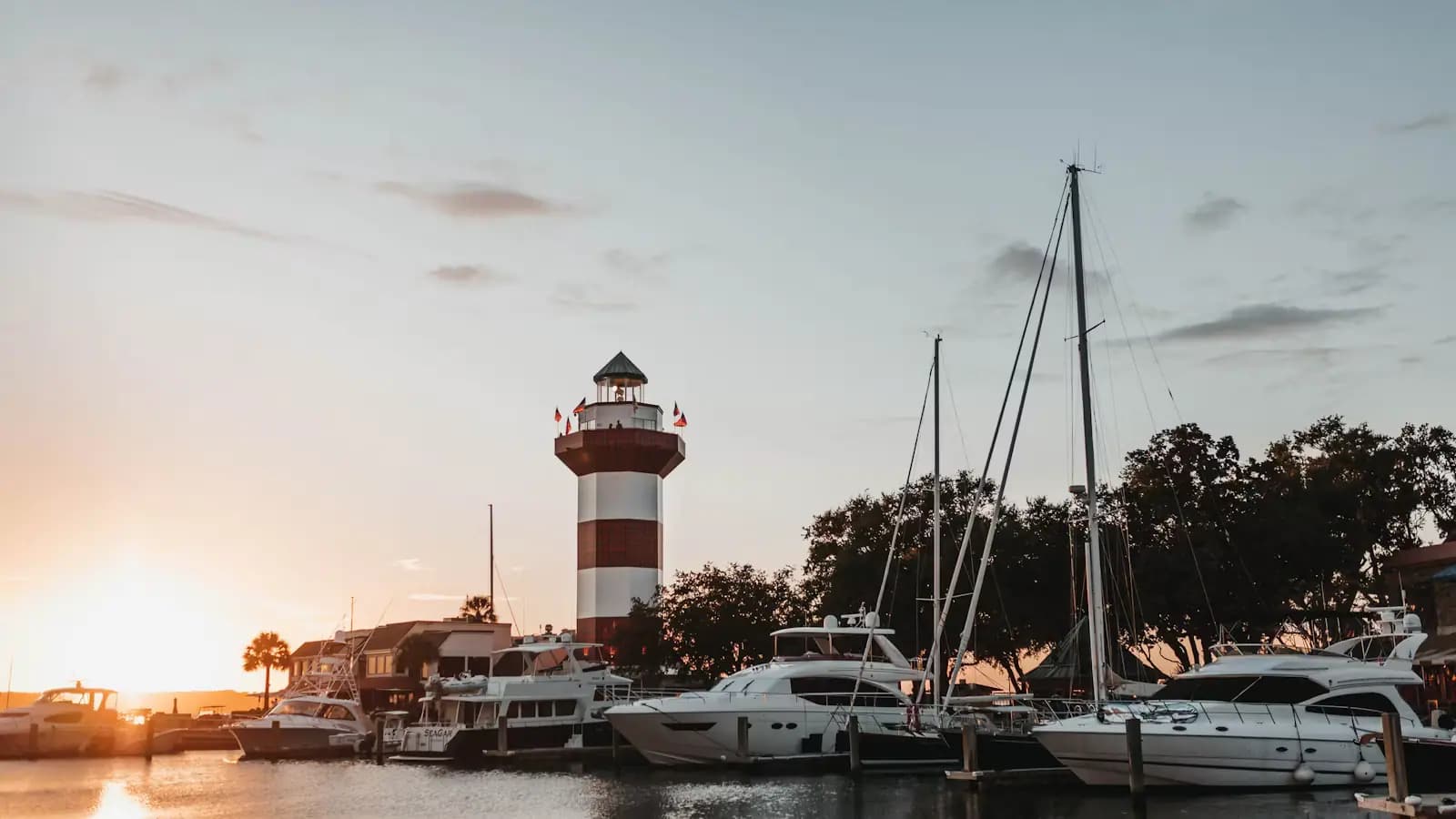
    Biloxi Small Craft Harbor

    A working harbour of trawlers and charter boats on the Sound side, best at dawn when they leave and at four when they come back.

    0.5–1.5 hoursFree to walk and watch. Boat trips, charters, fuel, ice and ramp use are charged by the operators.0.7 mi away

  • Historic site

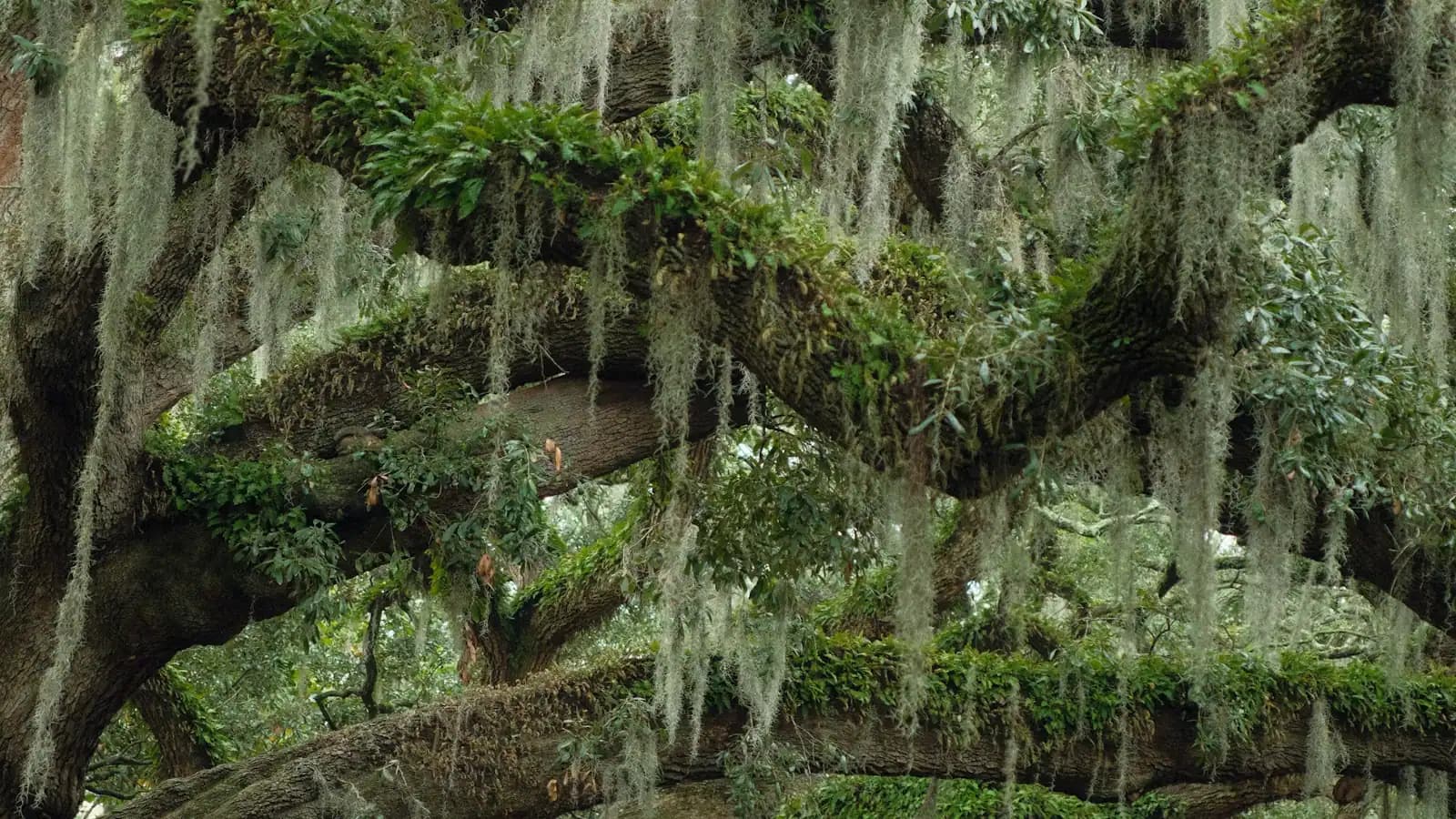
    Spanish moss hanging in curtains from the spreading limbs of a live oak
    Free

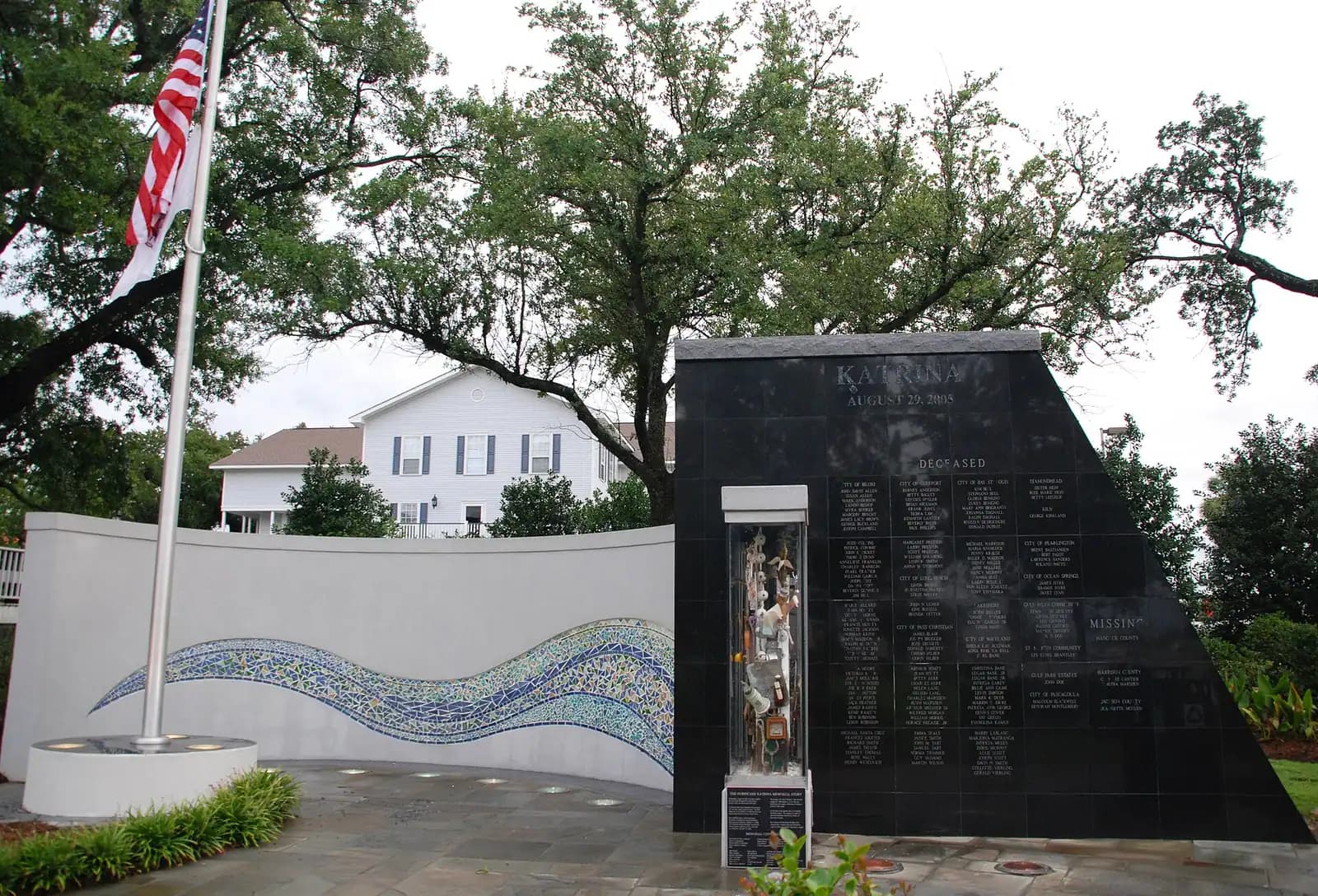
    Katrina Memorial

    A monument on the Town Green carrying the names of people who died in this city on 29 August 2005.

    15–30 minutesFree. There is no ticket and no attendant.0.8 mi away

The Lighthouse: common questions

Why is the Biloxi Lighthouse in the middle of the road?

Because the road arrived later. The tower was put up on the shoreline in 1848; the beach highway that became US 90 was built along the same frontage afterwards and the carriageways were taken around the light rather than through it. When the road was widened to four lanes the tower ended up on a median island between them. It is reached today by a signalised pedestrian crossing at the foot of Porter Avenue.

Can you go inside the Biloxi Lighthouse?

Sometimes. The interior is opened to the public on a limited pattern — historically a short window on weekday mornings — and climbs are organised from the city visitor centre on the opposite side of US 90, with a small fee. There is no lift, and the only way up is a narrow cast-iron spiral. Days and times change and the tower shuts for weather, so check the current arrangement rather than turning up expecting to climb.

Did the Biloxi Lighthouse survive Hurricane Katrina?

Yes. The surge on 29 August 2005 went far above the door and destroyed buildings on both sides of the beach road, but the tower stayed standing. The damage was still severe: interior brickwork, wiring, exterior lighting and the surrounding fence all had to be rebuilt, at a reported cost of more than four hundred thousand dollars. The light was formally relit at a public ceremony in February 2010.

Was the Biloxi Lighthouse painted black to mourn Abraham Lincoln?

Almost certainly not, although you will hear it locally. The tower was reported as painted with coal tar in 1866, and the contemporary explanation given for it was protecting the cast iron from rust rather than marking a death. The Lincoln version is a nineteenth-century story that stuck. The dark base colour is still part of how the lighthouse looks today, which is probably why the legend has outlived the correction.

How tall is the Biloxi Lighthouse?

About sixty-one feet, though published sources vary by a few feet depending on what is being measured. It is short as lighthouses go, because it never needed to be tall: the Mississippi Sound is shallow, the shoreline is flat, and there was nothing else along this beach in 1848 to confuse it with. The structure is cast iron, prefabricated in plates and bolted together over a brick lining.