Point Cadet is where the Biloxi peninsula runs out. Sound on one side, bay on the other, the bridge to Ocean Springs straight ahead, and behind you the whole length of a city built along a beach road. It is the most consequential few blocks in Biloxi and one of the least visited, which is largely because there is not a great deal left to look at.
For a hundred years this was the industrial heart of the coast. The canneries clustered here because the boats came in here, and around them the packers put up rows of small wooden houses for the people who did the shucking and picking. Families from the Dalmatian coast, from central Europe, from the Louisiana bayous, and from the late 1970s a large Vietnamese community that came for cannery work and moved into boat ownership. The Point had its own churches, its own halls and, people here will tell you, its own accent. Somebody from the Point was from the Point before they were from Biloxi.
Then in 1992 the state's first Biloxi casino opened on this same headland, two years after Mississippi legalised dockside gaming. Both of the industries that made modern Biloxi started within a few hundred yards of each other.
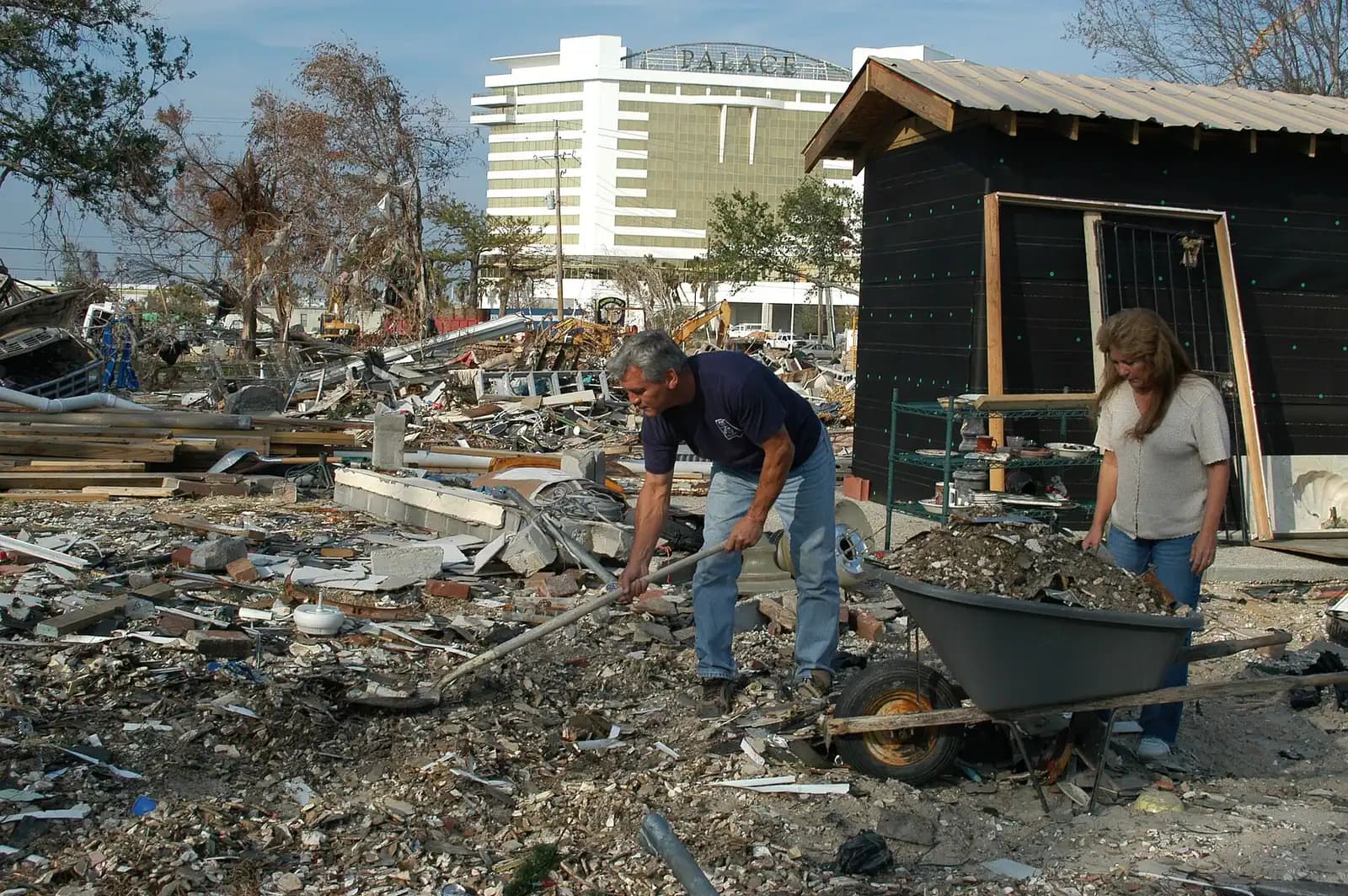
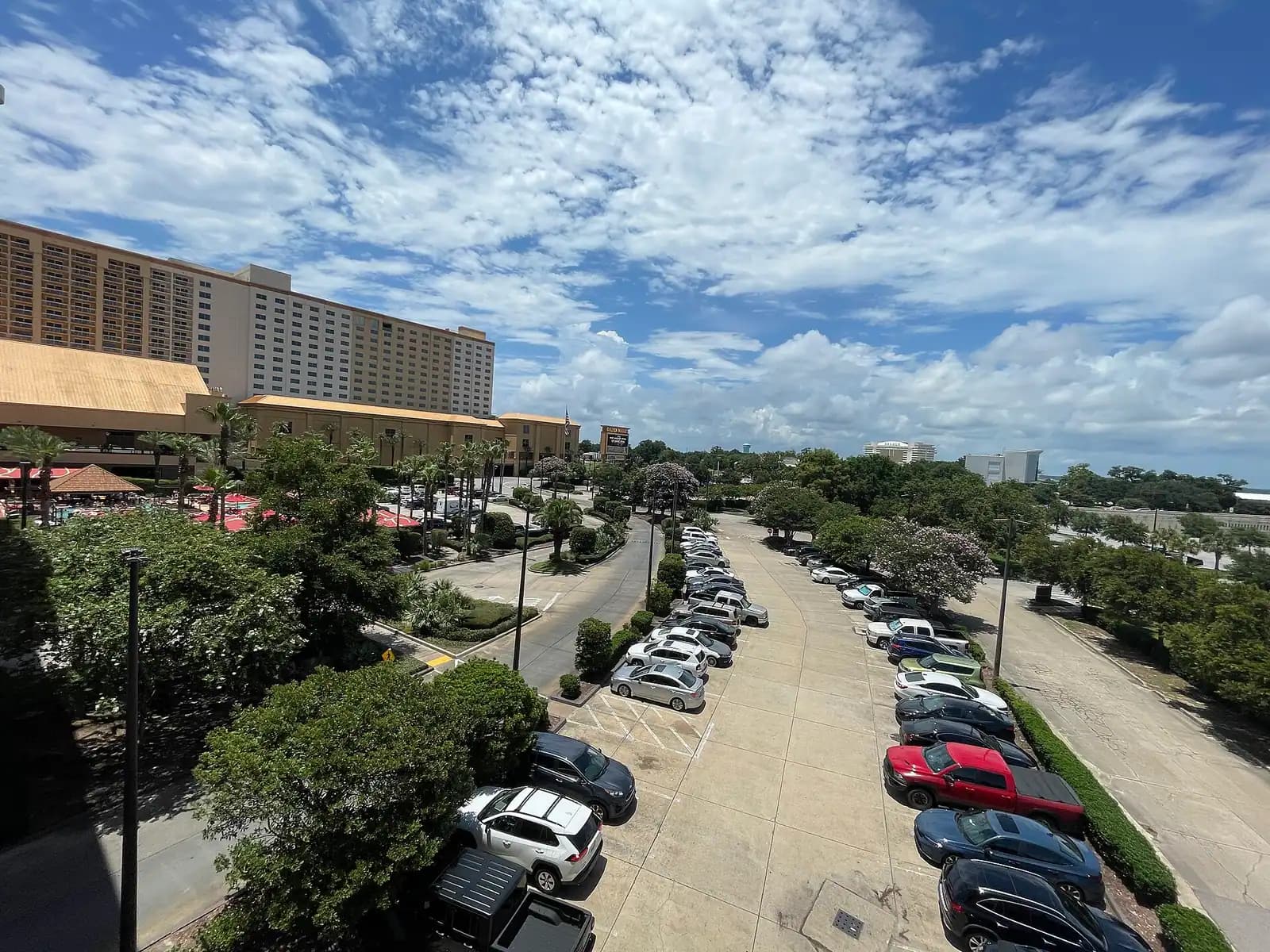
What you find today is a Golden Nugget, the Maritime & Seafood Industry Museum, a schooner pier, a marina, some housing, and a striking amount of open grass. The surge came straight across this headland on 29 August 2005 and took most of the building stock with it, and two decades on, parts of the Point have not been rebuilt.
Go anyway, and go on foot. It is a short walk, it is the best waterfront in the city, and it is the place where Biloxi's history is most legible — partly because of what stands and partly because of what does not.