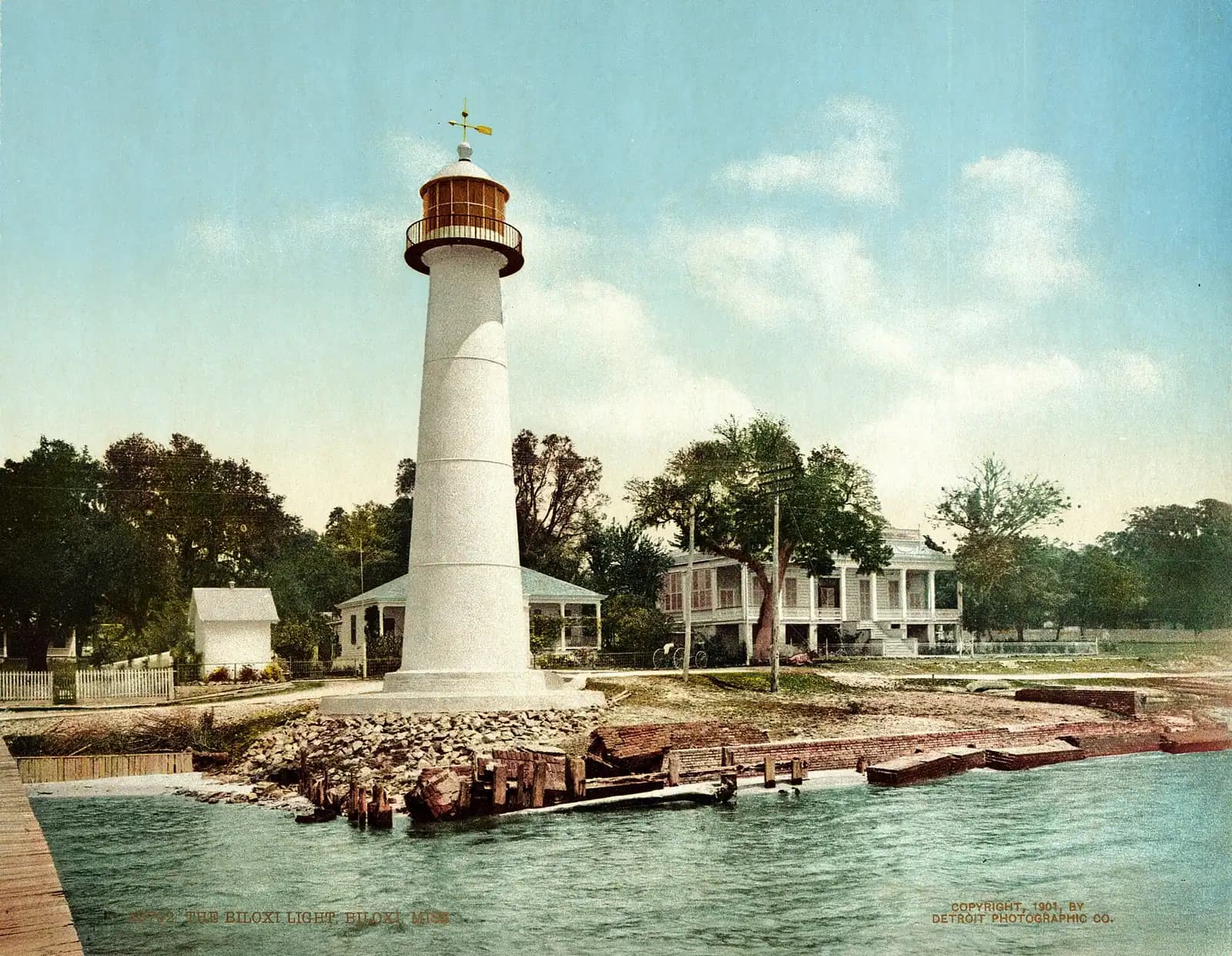
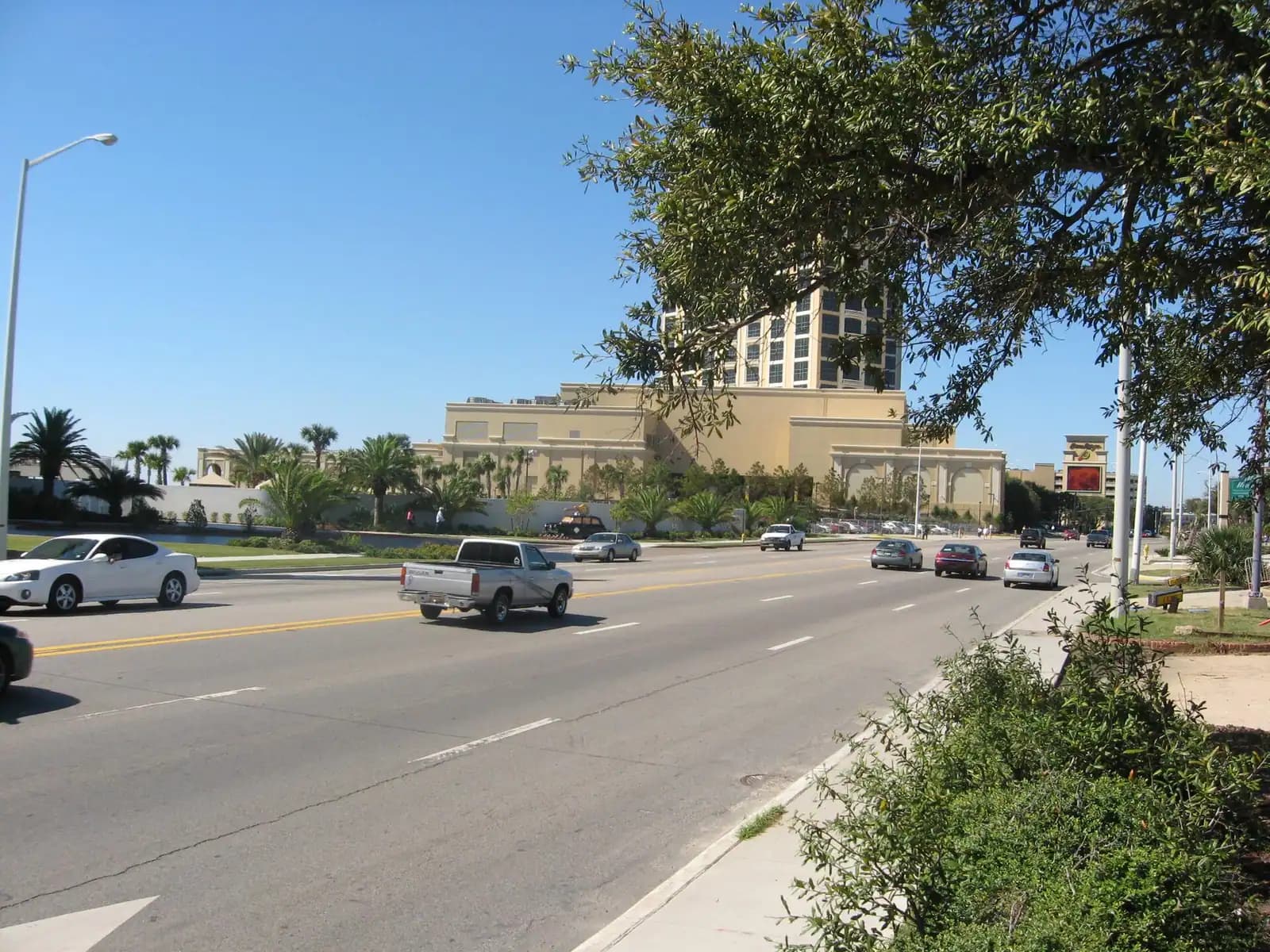
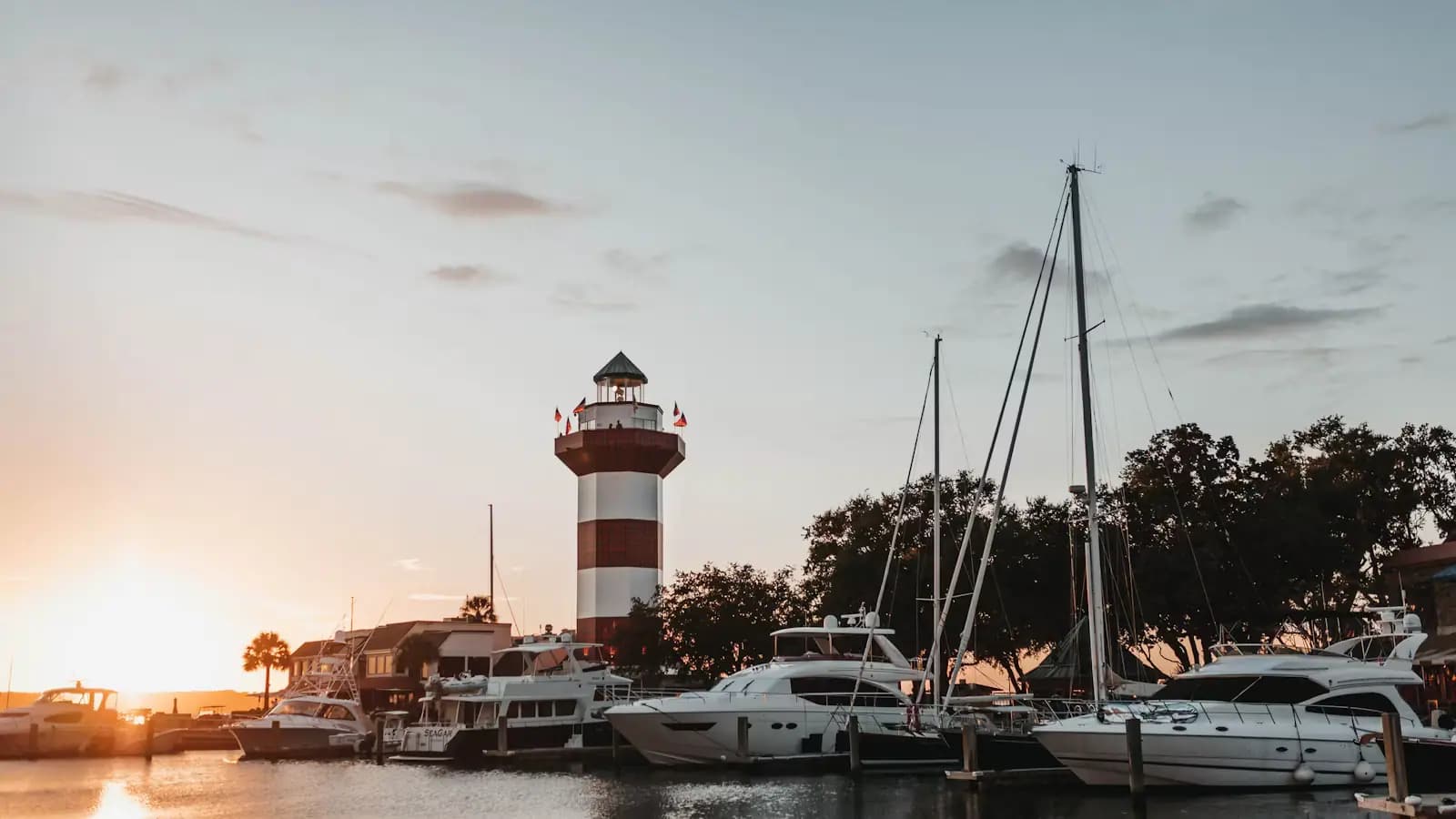
Biloxi is confusing for about an hour and then it makes complete sense. You arrive on a four-lane highway with water on one side and casino towers on the other, you pass a cast-iron lighthouse marooned in the median with traffic going by on both sides of it, and nothing matches the photograph that sold you the trip. The reason is simple. This is not a resort that grew a town. It is a town with three separate industries stacked on top of each other, and the visitor economy is the newest and thinnest of the three.
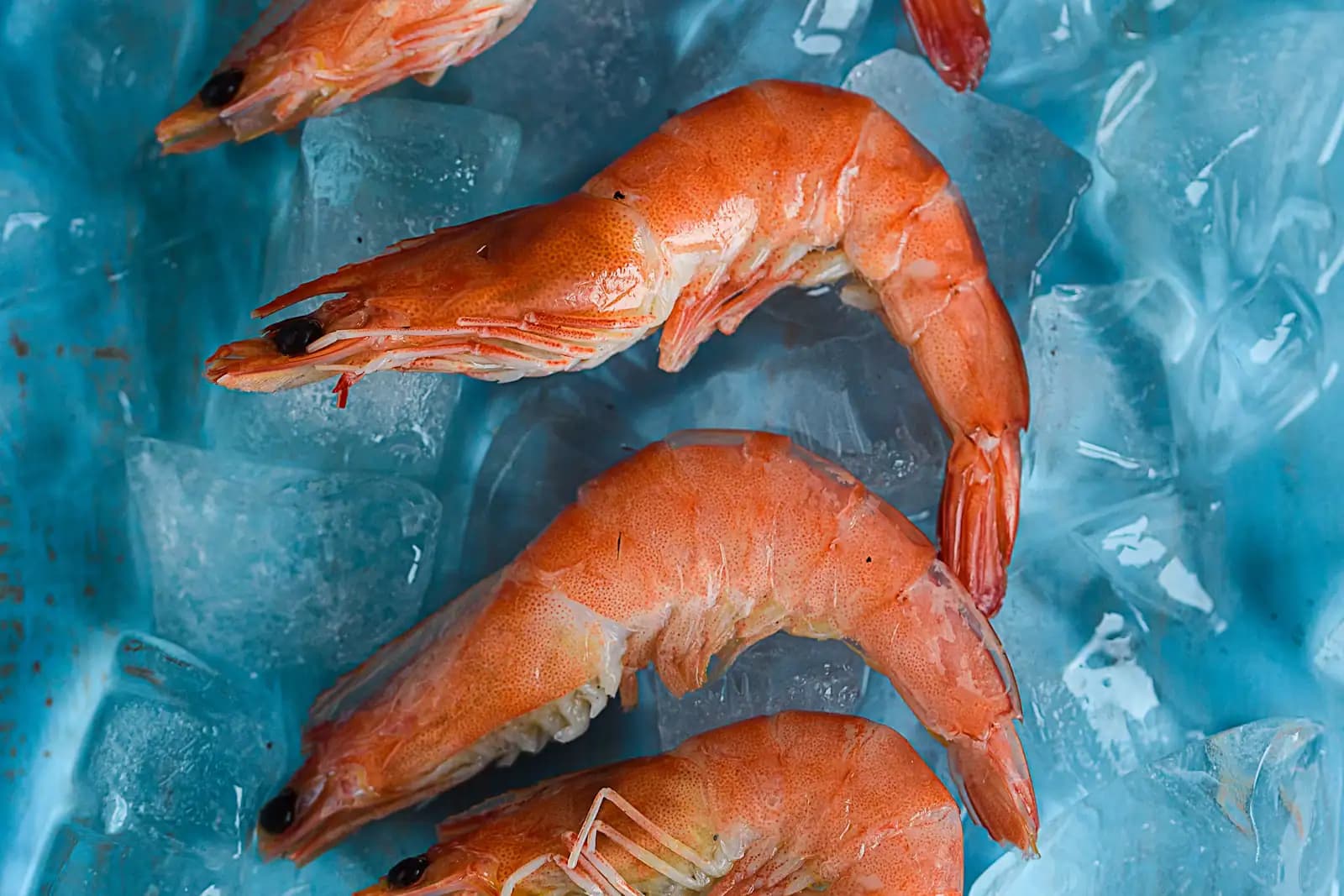
The oldest is seafood. Biloxi advertised itself as the Seafood Capital of the World in the canning era, when factories along the Back Bay packed oysters and shrimp by the trainload and two-masted schooners dredged the reefs under sail. The fleet is smaller now and it still goes out, from the Small Craft Harbor and from Point Cadet at the eastern tip of the peninsula, five minutes from the casino strip and almost entirely unvisited. From the late 1970s that fleet changed hands: Vietnamese families who had come to the coast for cannery work bought boats and went out for themselves, and by the end of the 1980s roughly half of Mississippi's shrimpers were Vietnamese. That is not a footnote about a restaurant menu. It is who is on the water.
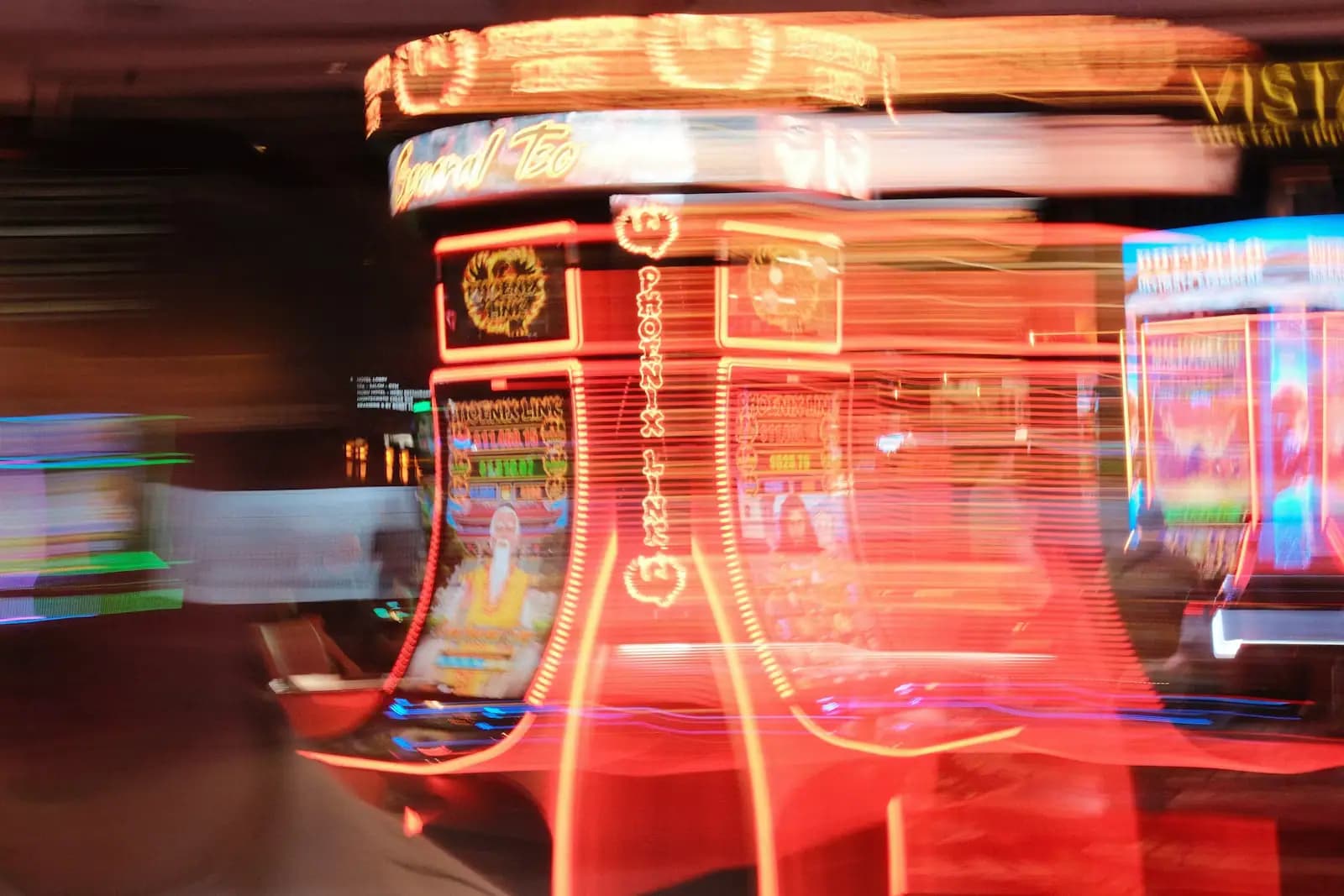
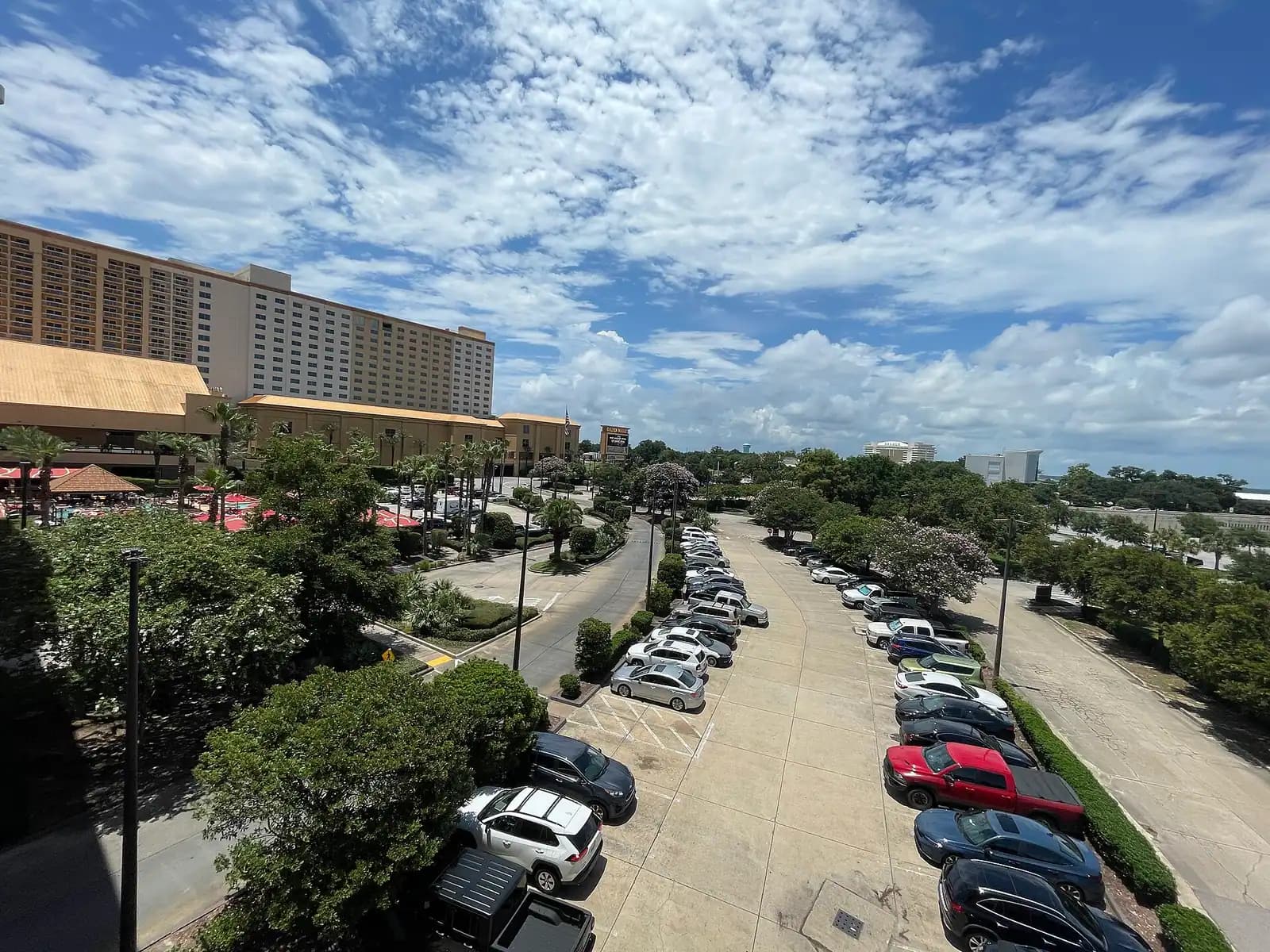
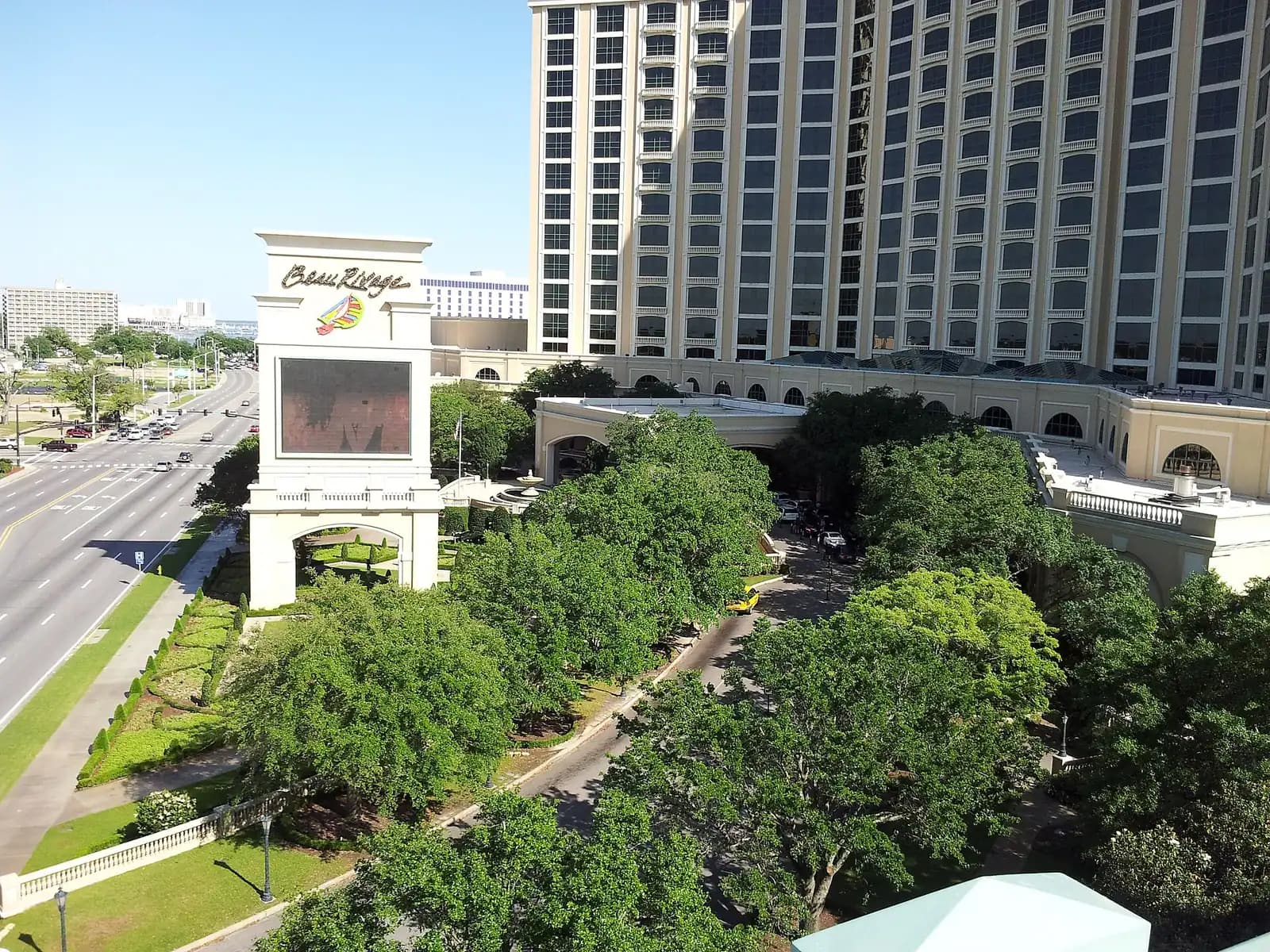
The newest is gambling, and it reorganised the city in about a decade. Mississippi passed its Gaming Control Act in June 1990, the Isle of Capri opened as the state's first casino on 1 August 1992, and because the law at the time required the gaming floor to sit over water, a whole generation of casinos was moored to the shoreline on barges. After 2005 the legislature allowed coastal properties to rebuild on land within eight hundred feet of the water, which is exactly why the modern strip looks the way it does. Eight casino resorts operate inside the city limits. They are also why a city this size has arena-scale concerts, kitchens open at midnight and midweek room rates a normal beach town could not sustain.
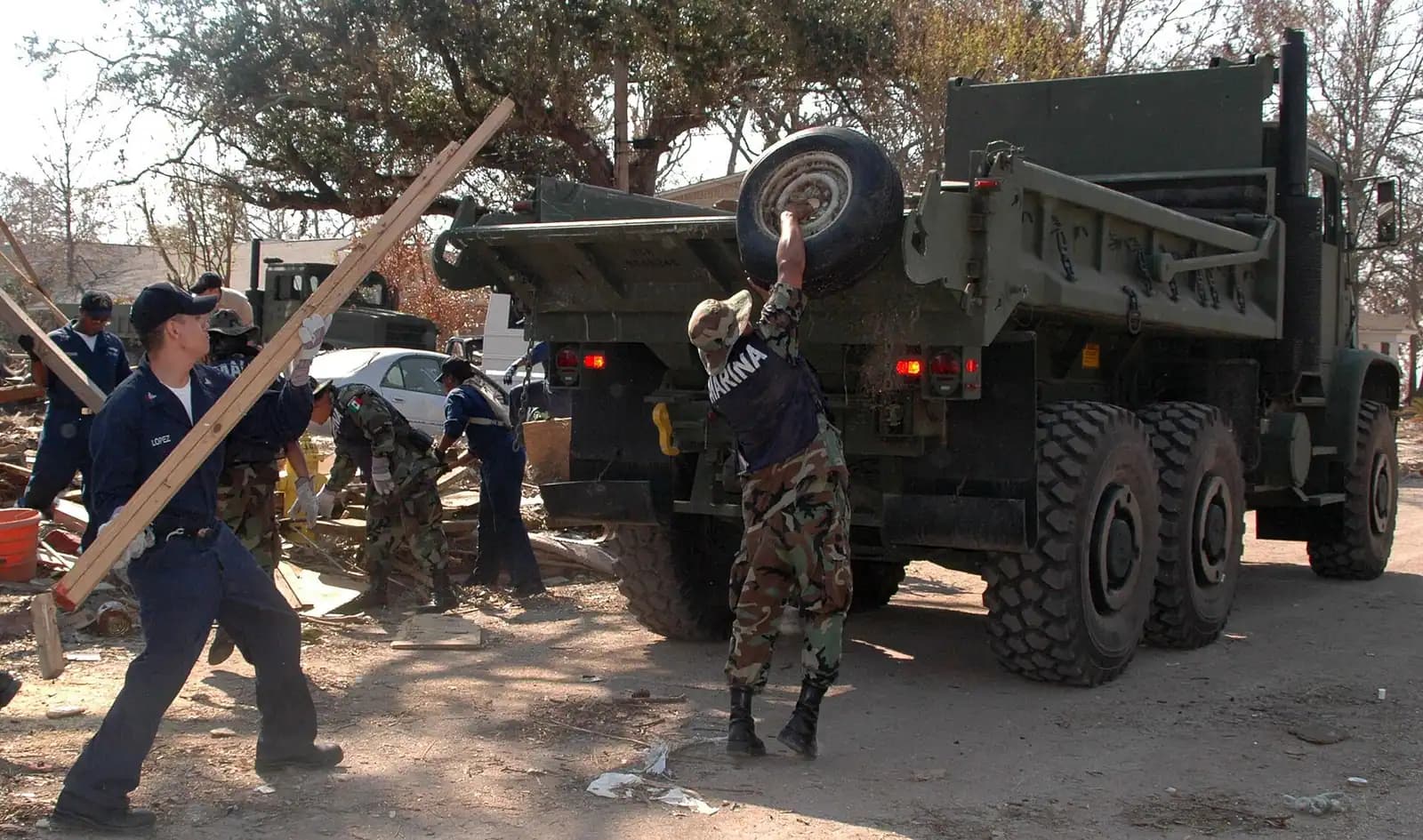
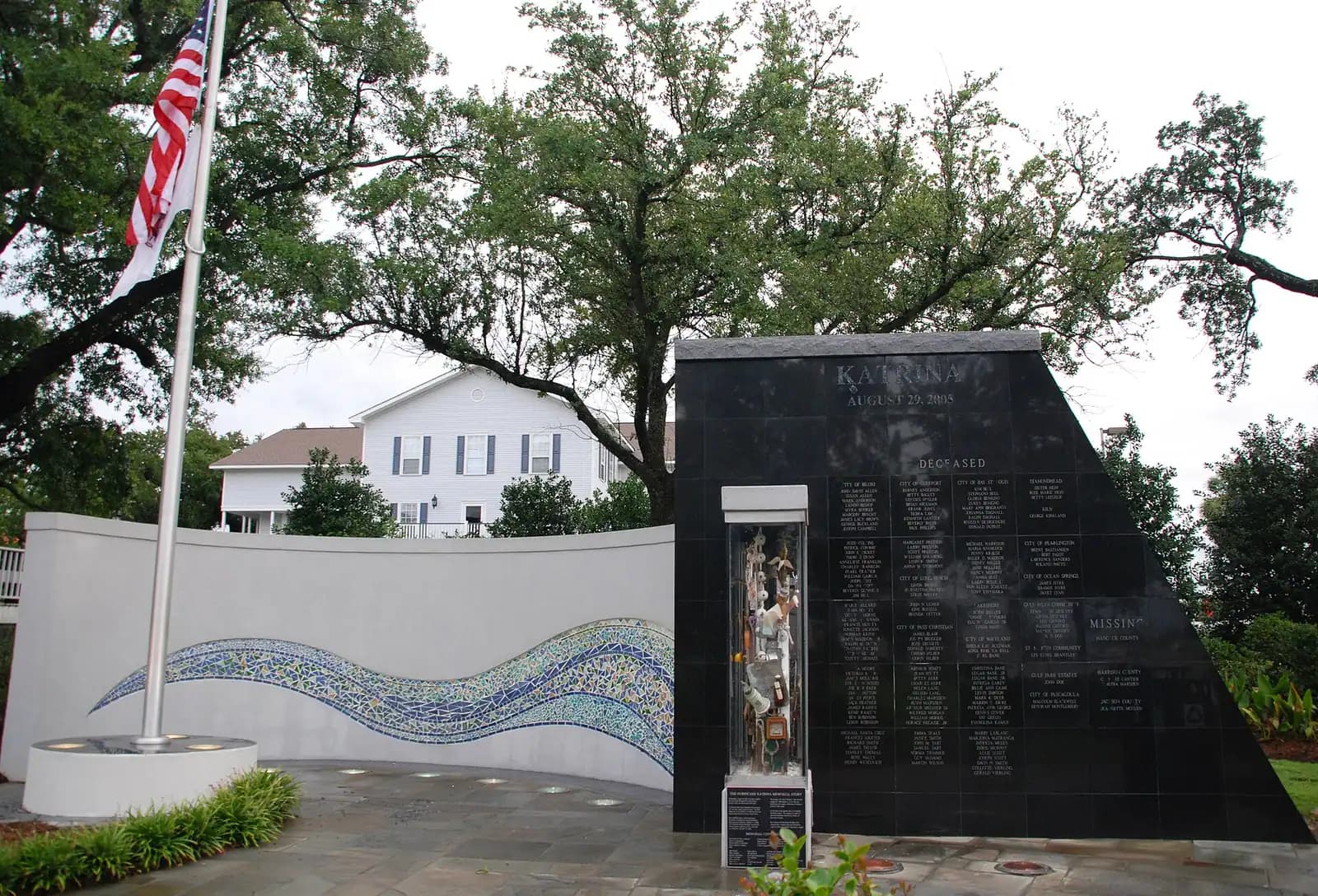
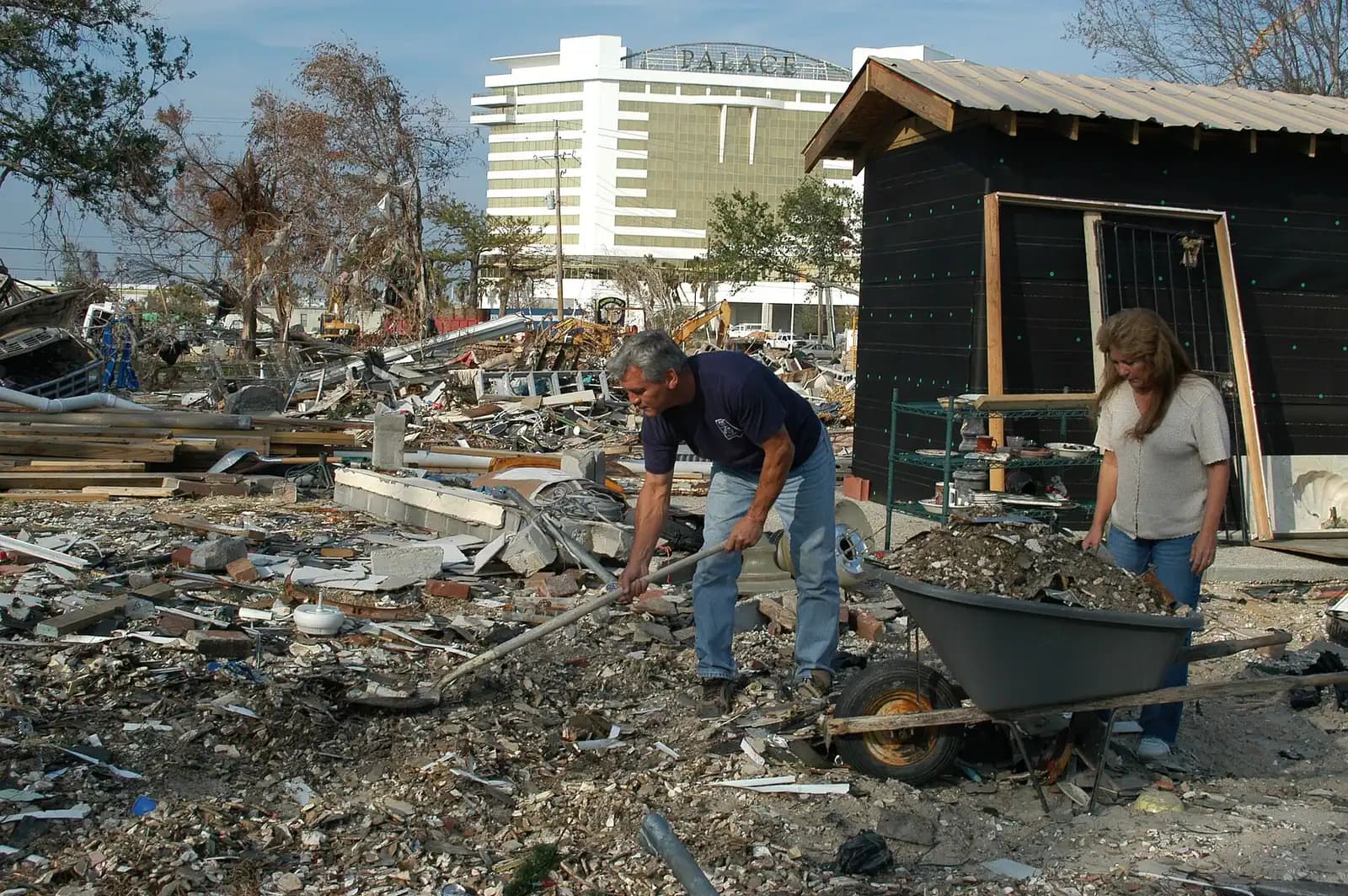
The third thing is 29 August 2005. Katrina's surge ran to roughly twenty-two feet here, and a high-water mark of 34.1 feet above sea level was recorded on the Beau Rivage's tower, the highest measured in any United States hurricane. The memorial on the Town Green carries a hundred and seventy names. Once you know that, the gaps between buildings along the beach road stop looking like empty lots and start looking like what they are.
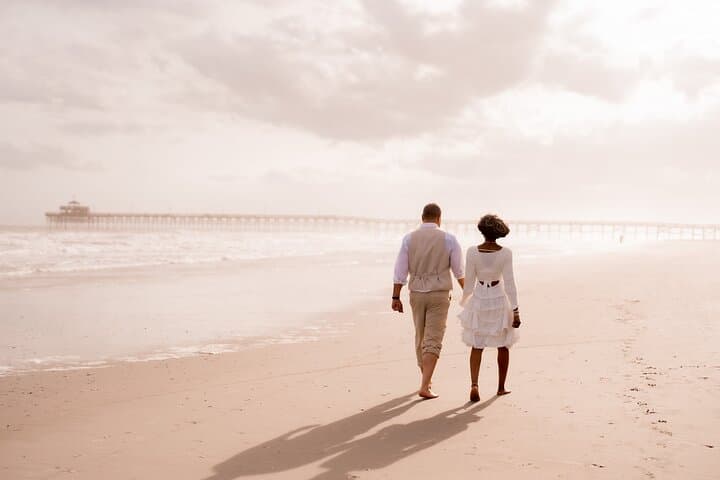
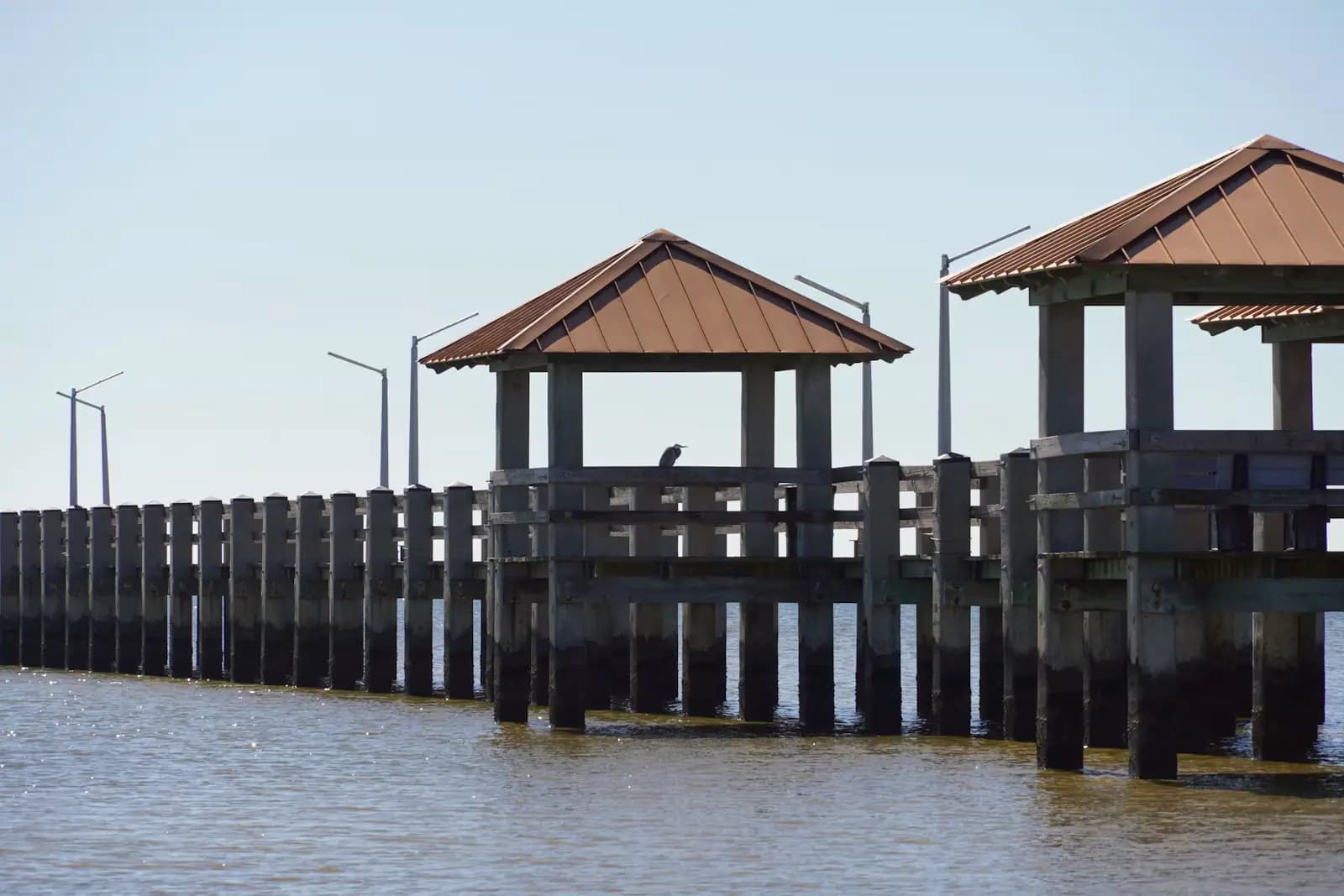
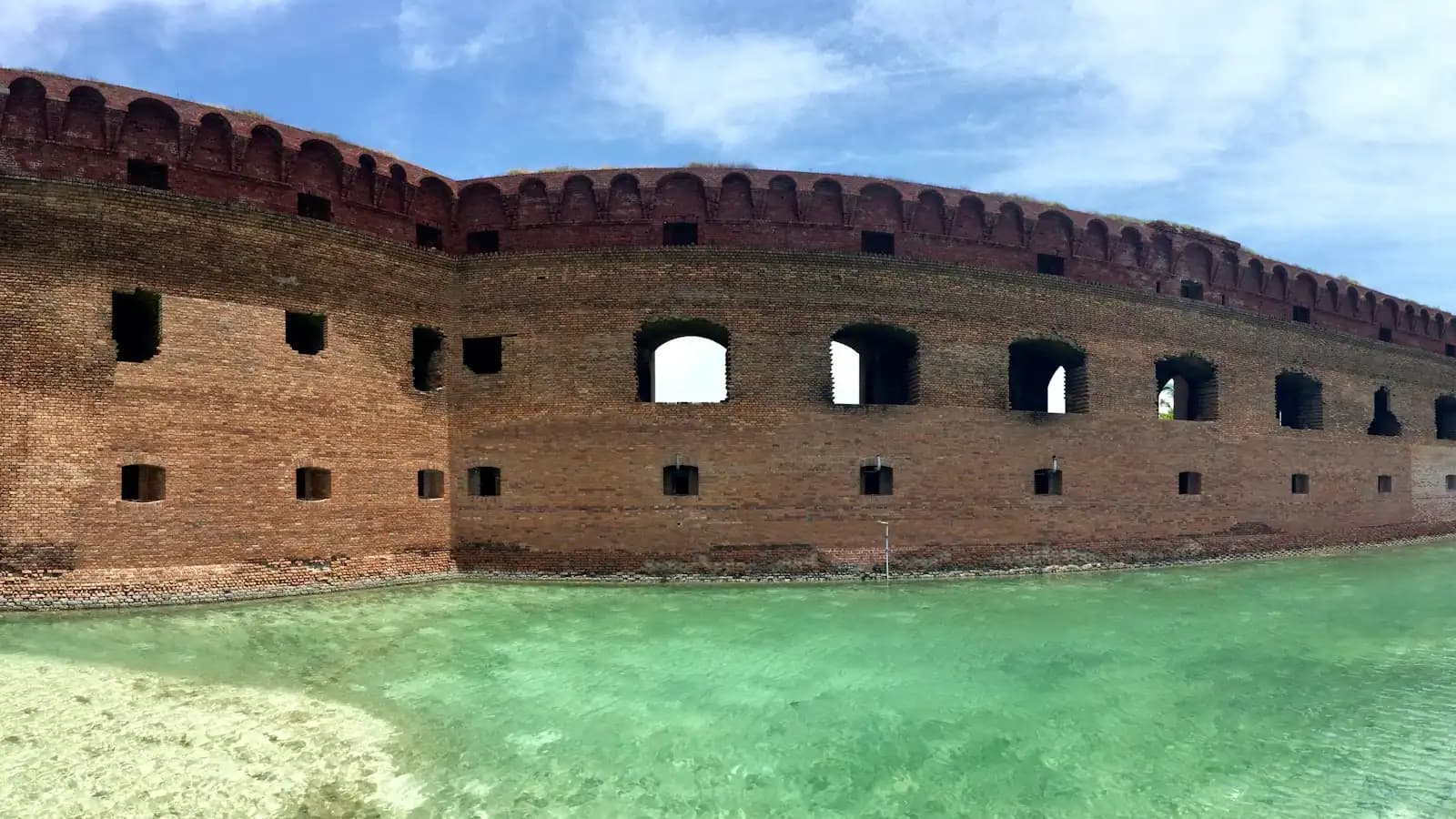
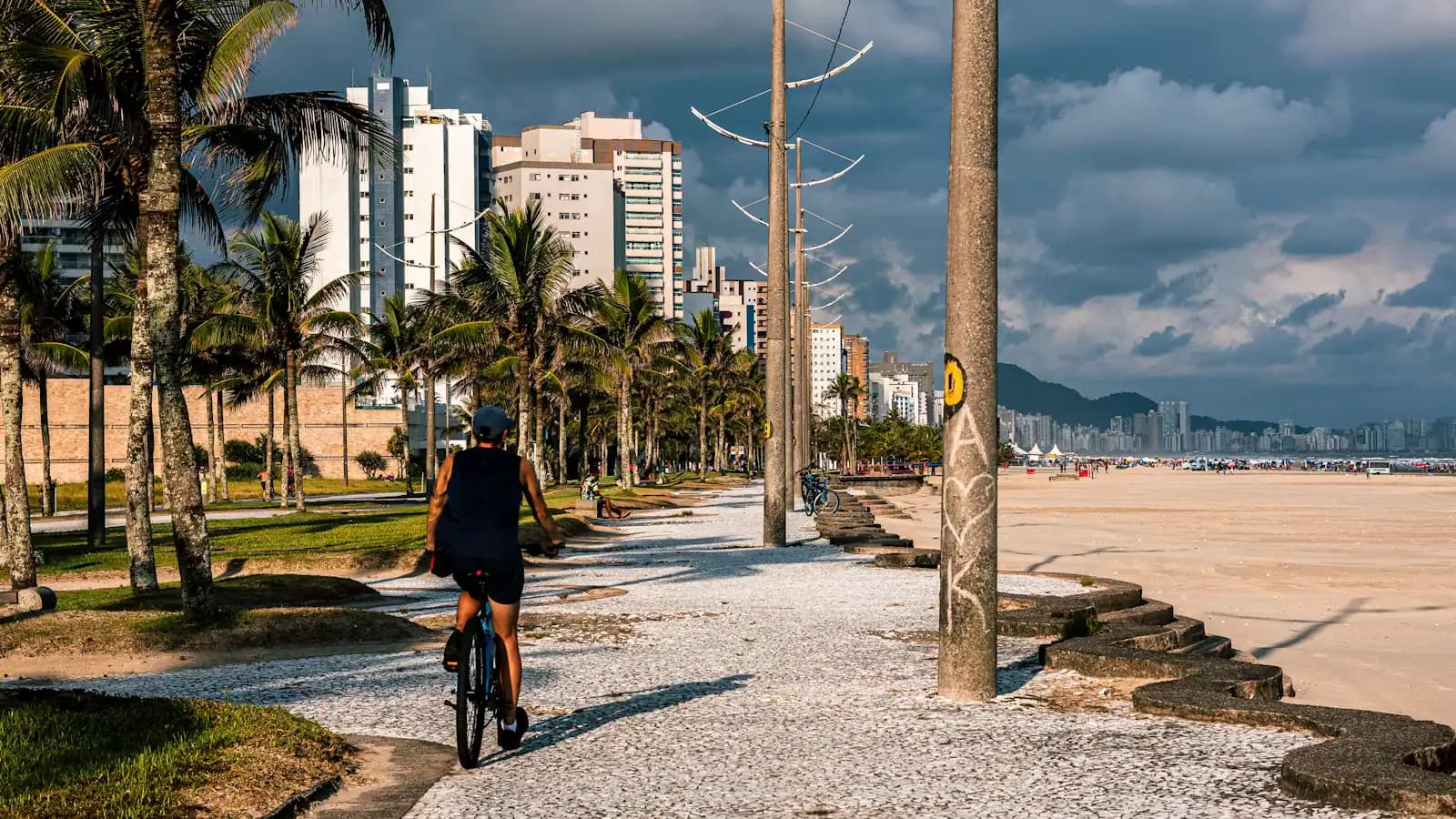
Which leaves the water, and the one thing to settle before you book anything. The sand along US 90 is artificial. It was pumped and graded in 1951 and 1952 to protect the seawall behind it, it runs about twenty-six miles, and it fronts the Mississippi Sound: shallow, brackish and usually the colour of weak tea because five river systems drain into it. That is natural rather than dirty, and it is not the postcard. Clear Gulf water is twelve miles offshore at Ship Island, the ferry to it leaves from Gulfport rather than Biloxi, and it only sails from the middle of March to the end of October. Plan the islands first and the rest of the week around them, and this city delivers a genuinely good four days. Discover it at the water's edge on day one and you will spend the trip disappointed by the wrong thing.