For a city of fewer than fifty thousand people, Biloxi carries an improbable number of separate histories, and they do not blend. The French landed on this stretch of coast in 1699 and the settlement that became Biloxi served briefly as the capital of French Louisiana in the early 1720s before the administration moved to New Orleans. The name comes from the Biloxi people, who were here long before any of it. Spanish, British and American rule followed in turn, which is why a coast with a French founding date has street names in three languages and a courthouse full of land claims.
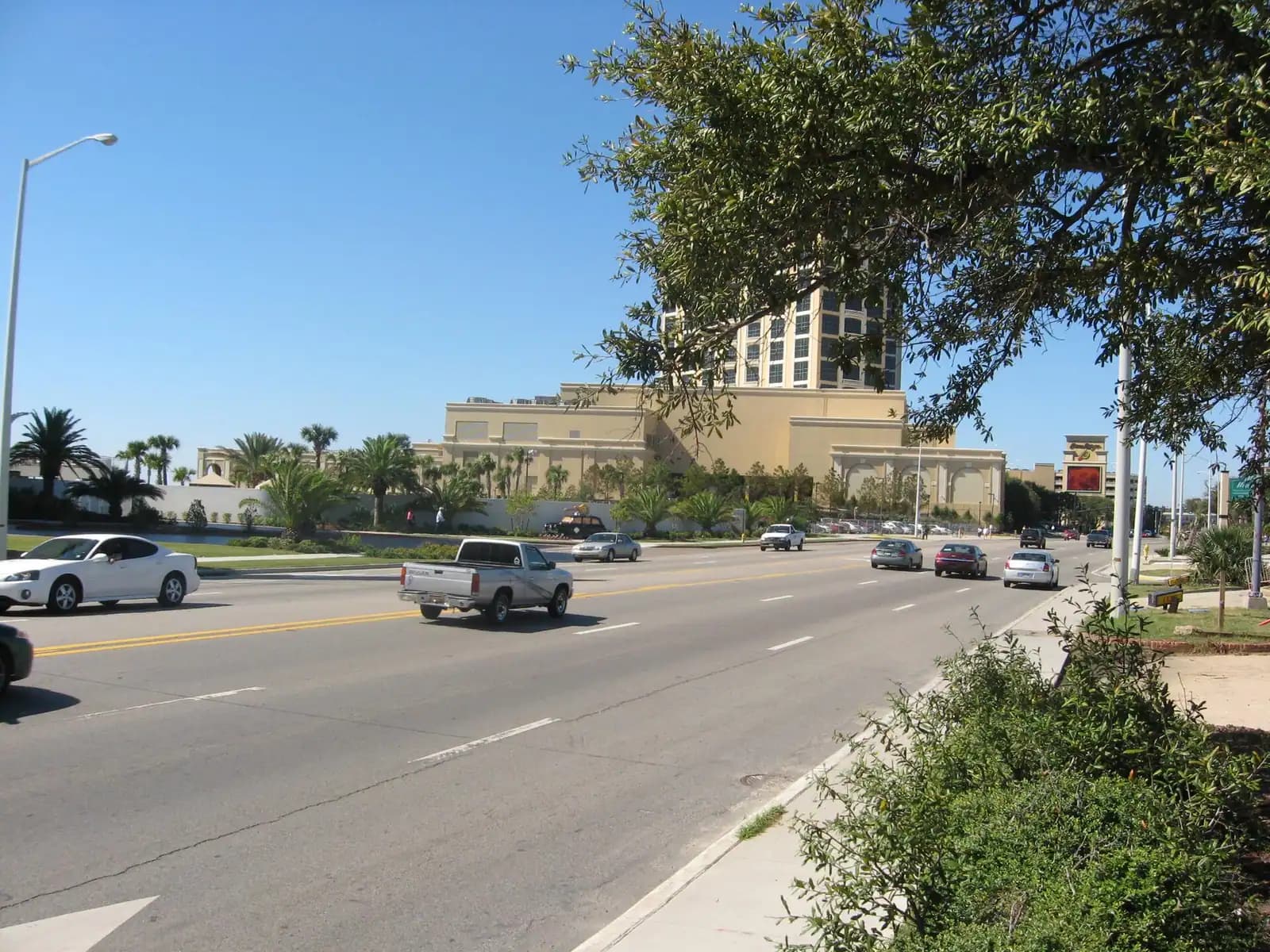
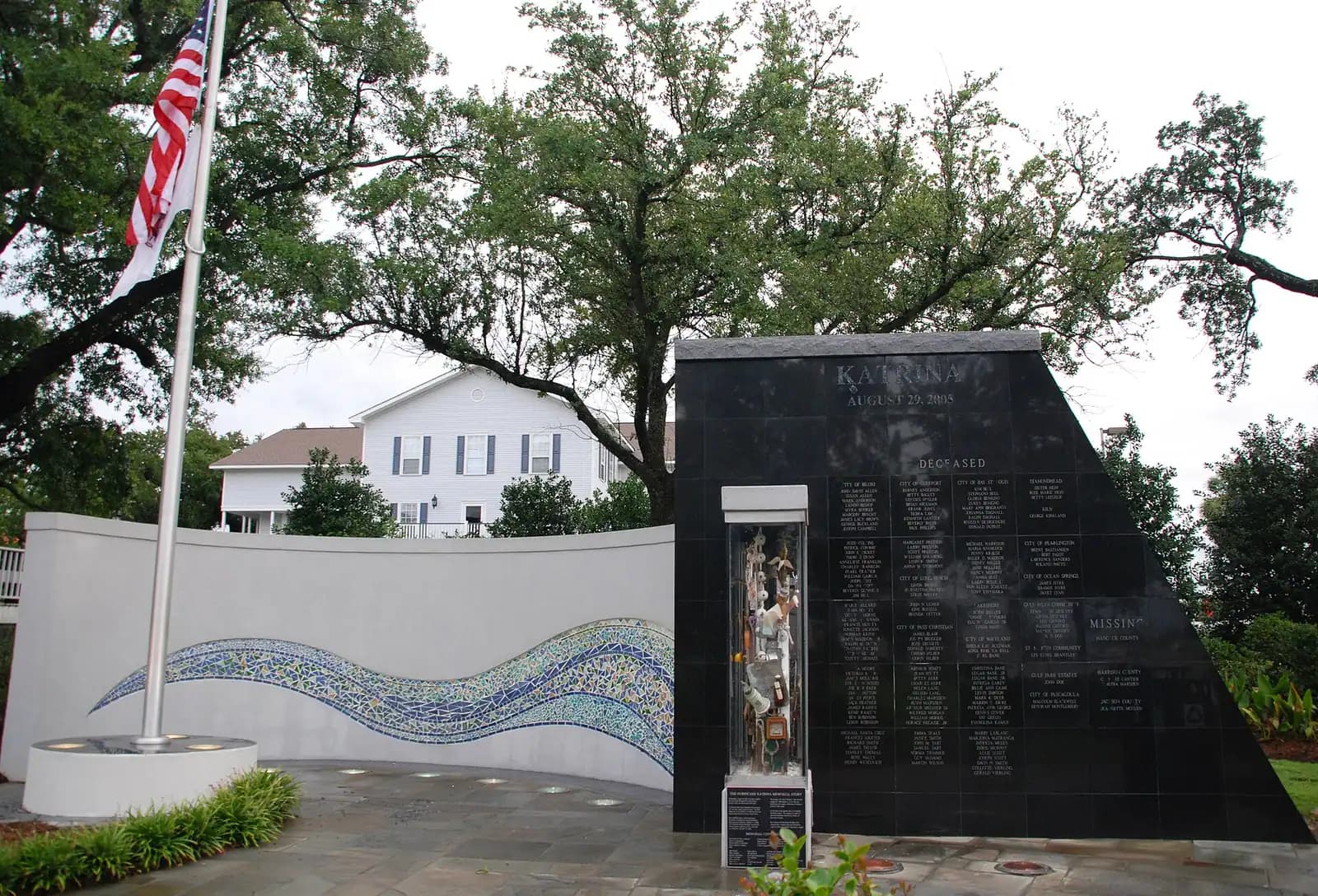
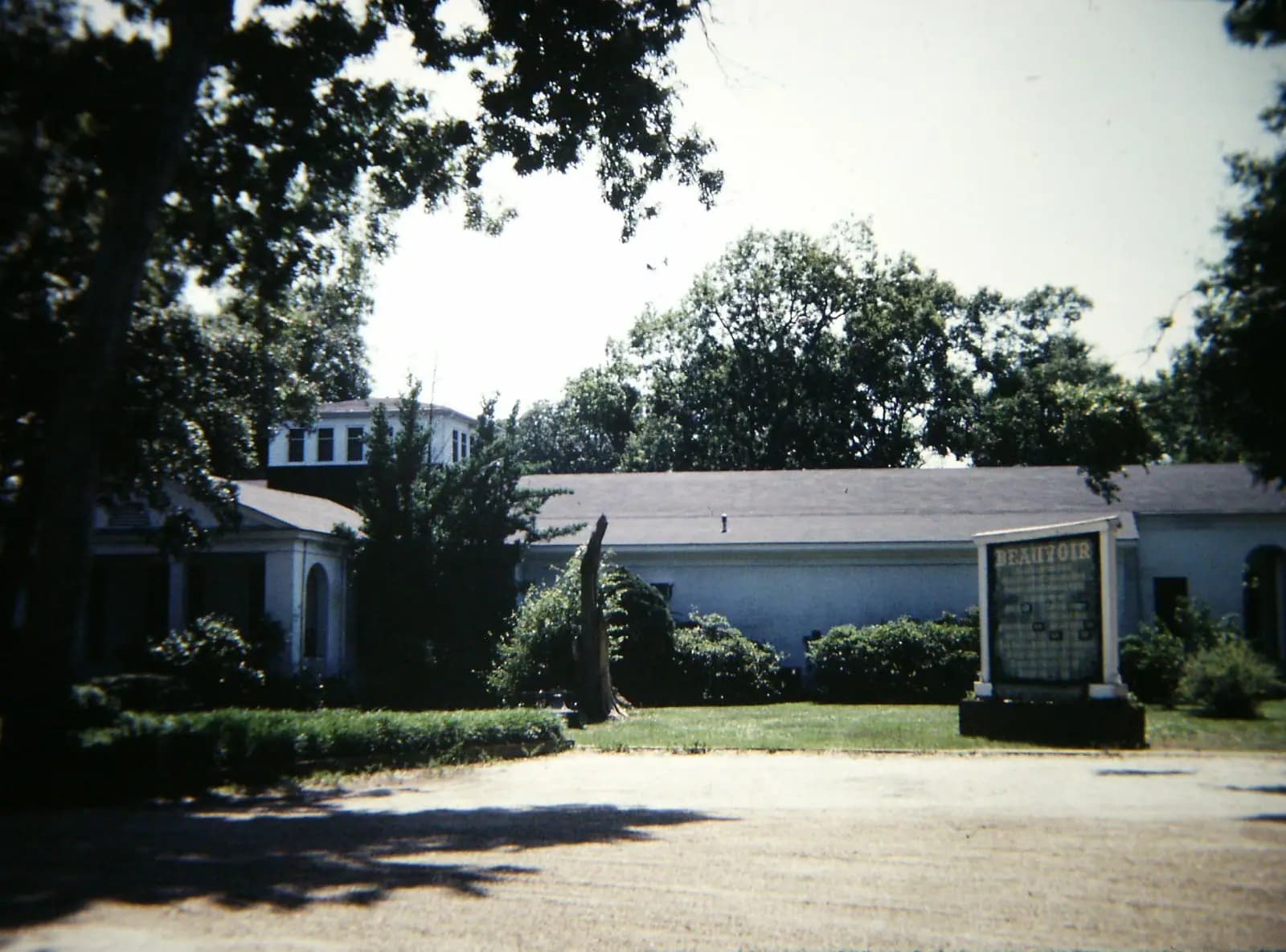
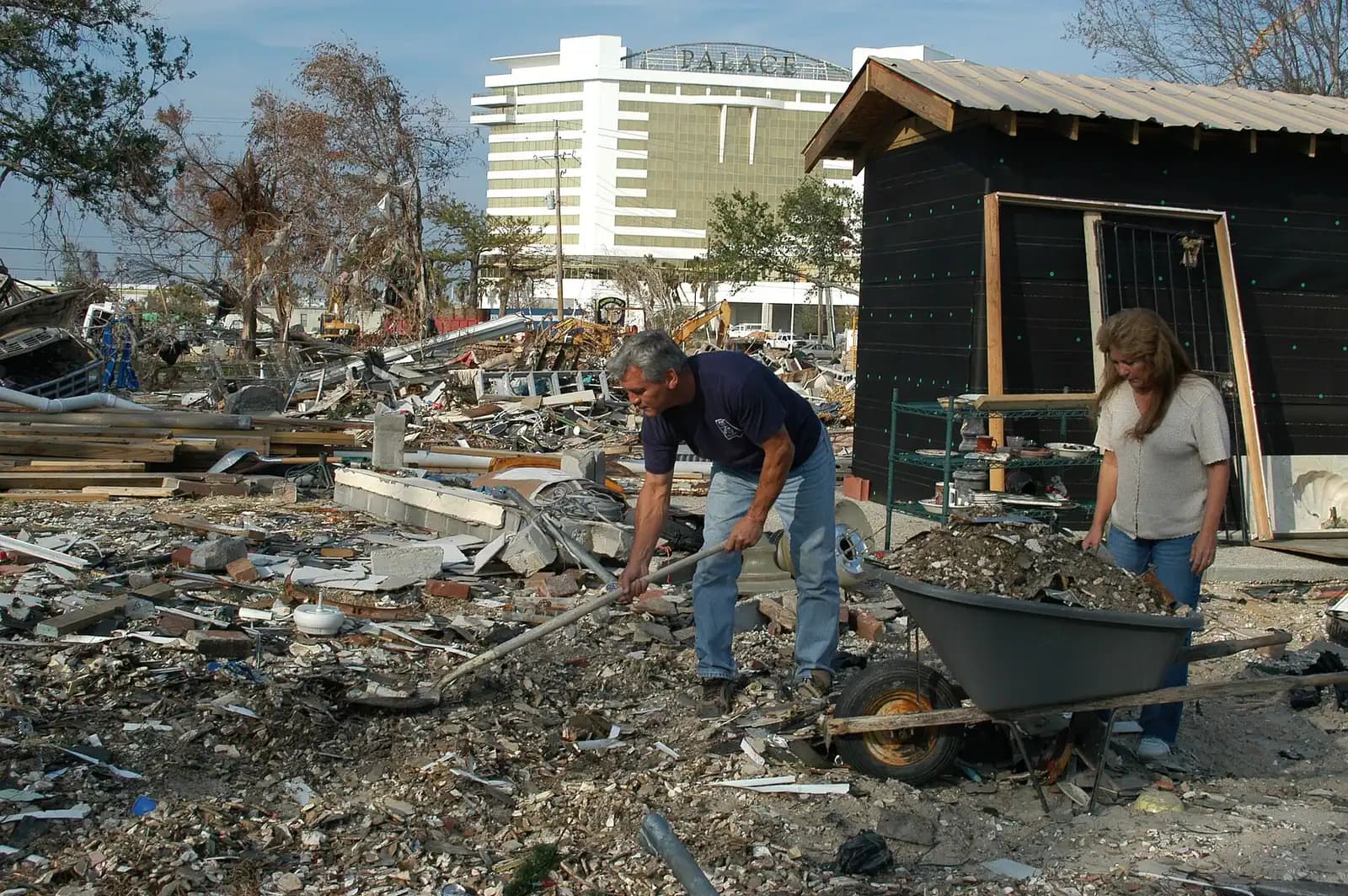
Then the seafood century, from the first cannery in 1881 through the schooner fleet and the packing houses to the Vietnamese-American boats that work the Sound today. Then Beauvoir, the house where Jefferson Davis spent his last years and wrote his defence of the Confederacy, now a museum run by a Confederate heritage organisation and one of the more complicated buildings in the American South. Then 29 August 2005, which destroyed the waterfront, killed people here, and is the reason so much of what a visitor sees has a construction date after 2006.
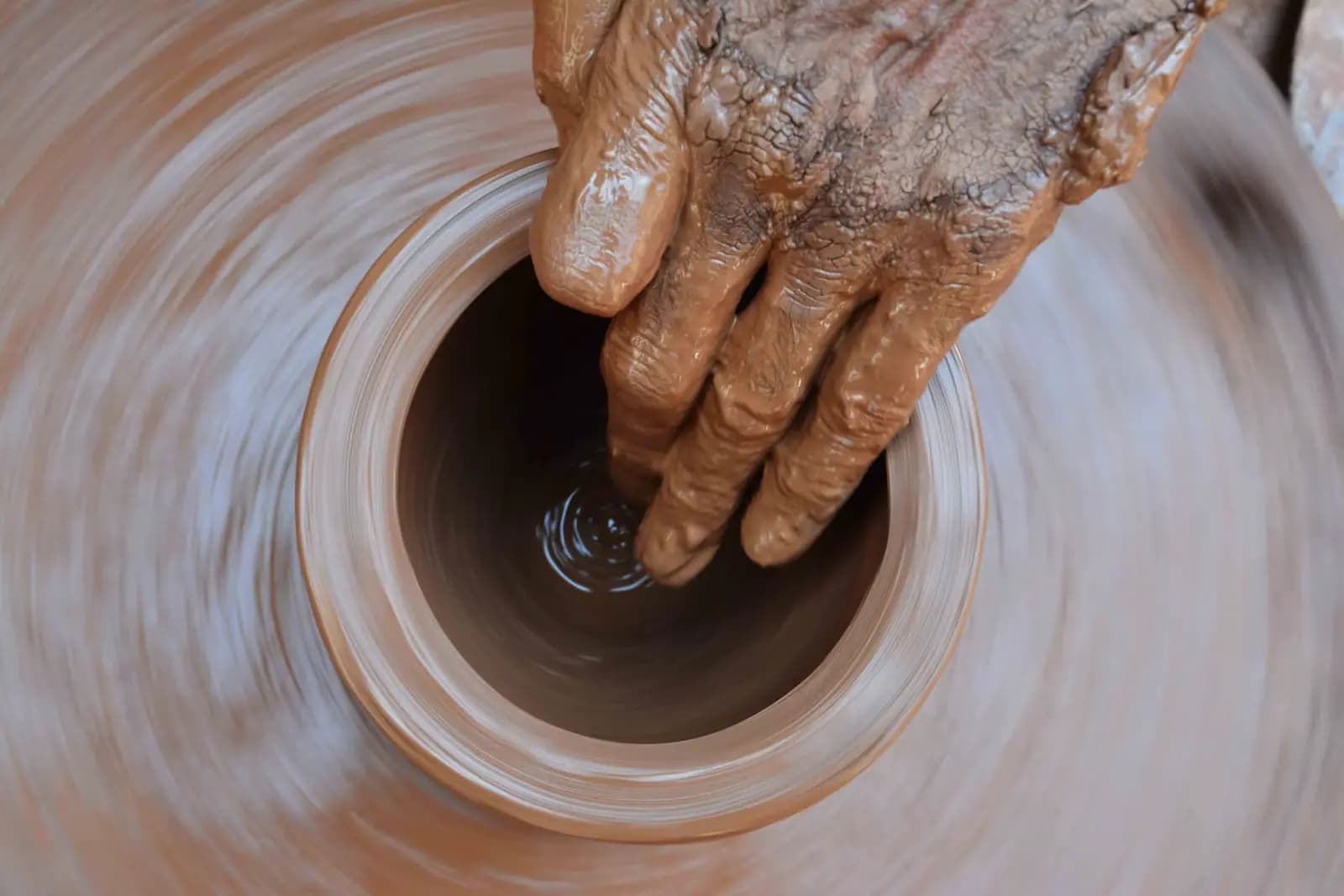
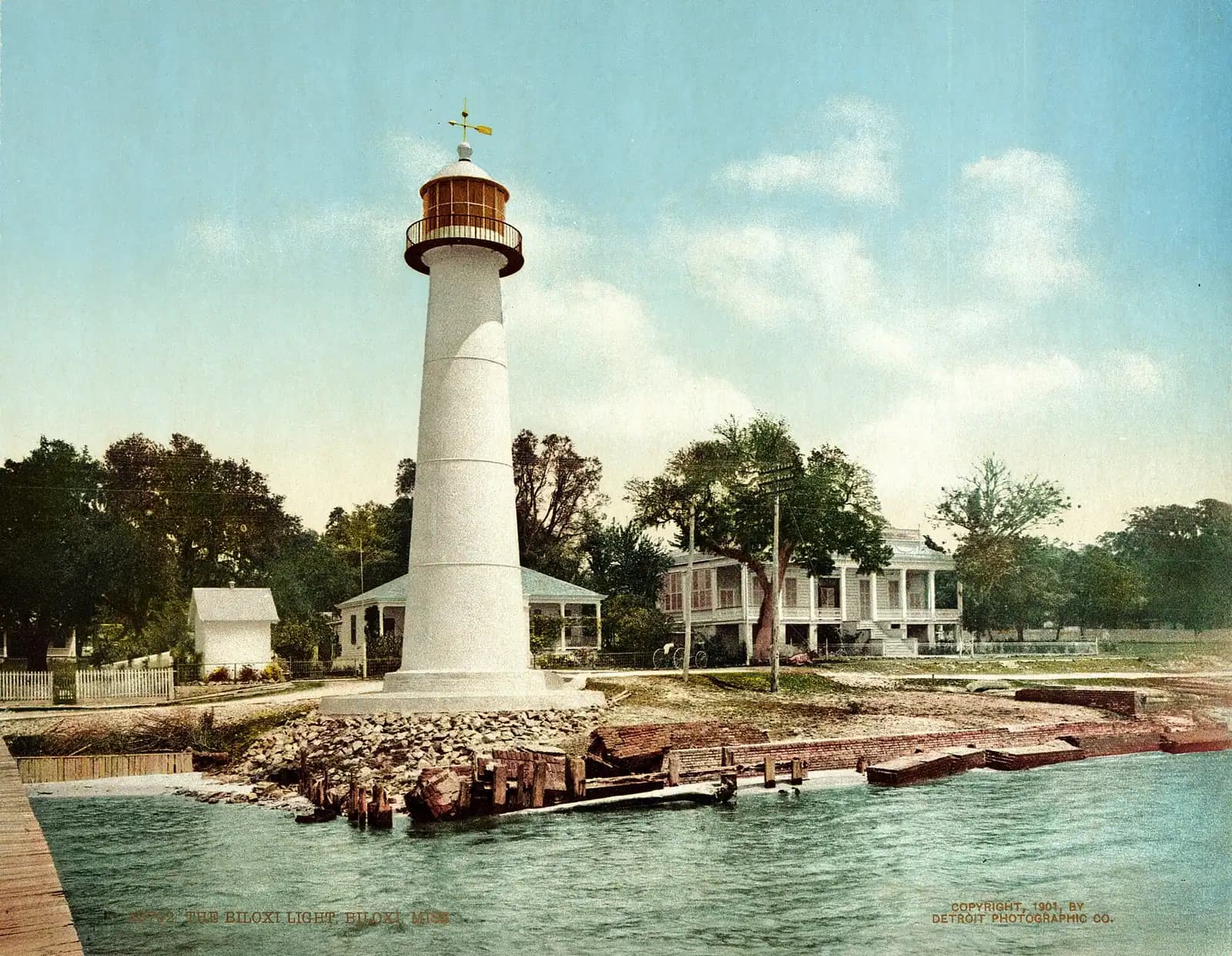
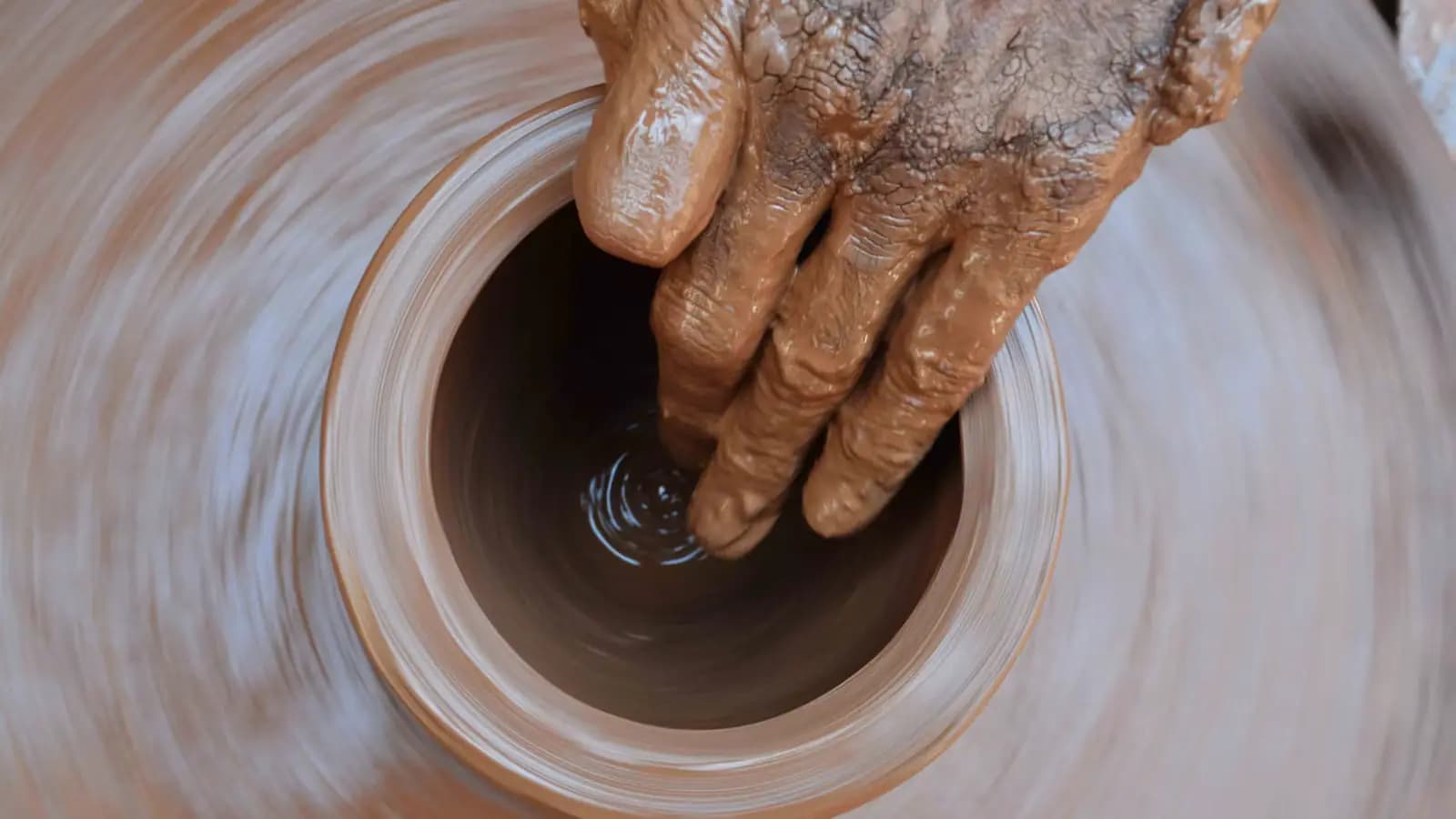
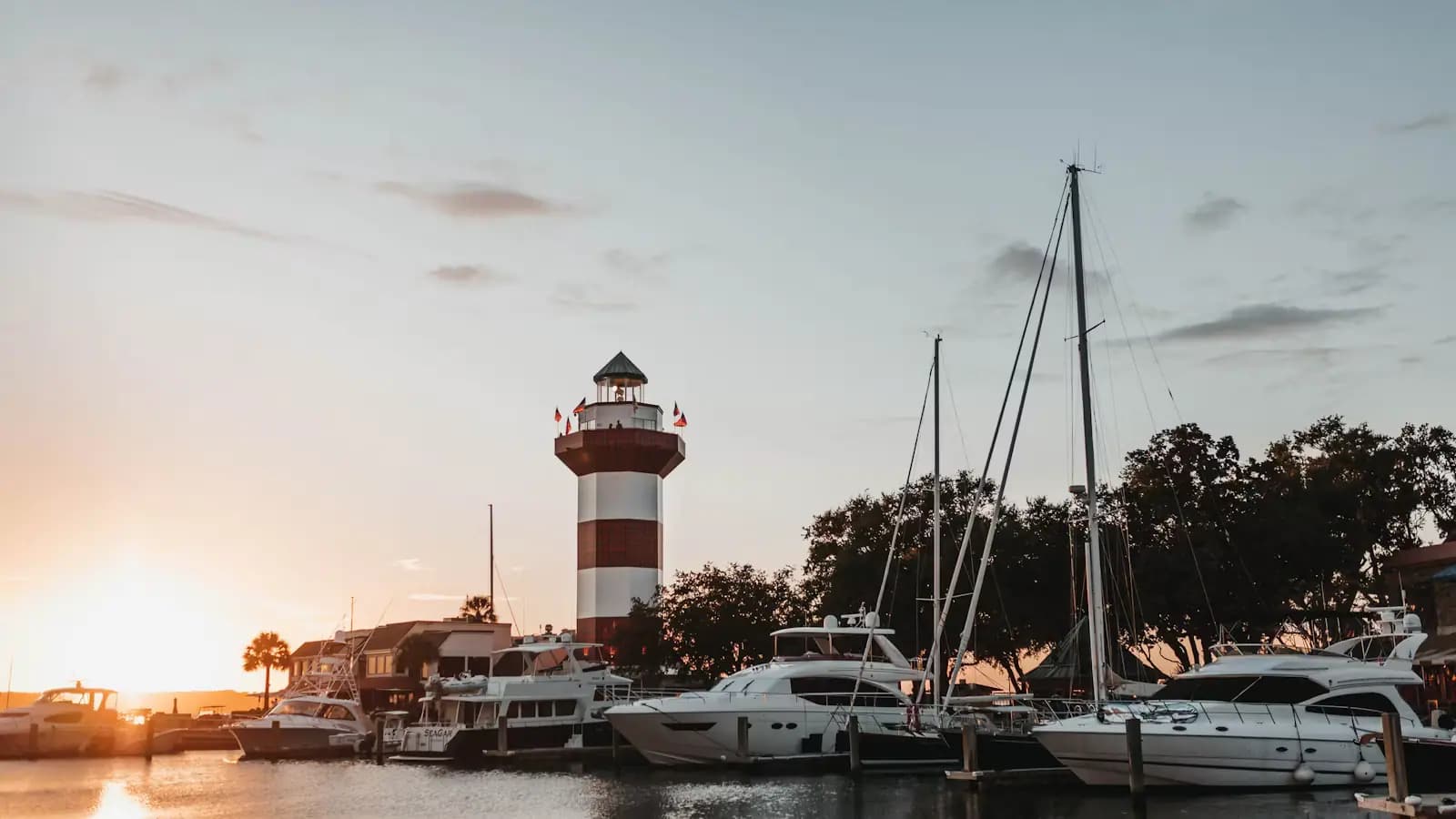
The museums reflect that pile-up rather than resolving it. The Ohr-O'Keefe Museum of Art puts the work of a potter who died in 1918 inside a Frank Gehry campus that a casino barge smashed into during construction. The Maritime and Seafood Industry Museum at Point Cadet tells the fleet's story in a building that replaced the one the storm took, and sails two replica schooners off its pier. The 1848 lighthouse stands in the median of a four-lane highway, kept for sixty-three consecutive years by one family, two of them women who ran it through the Civil War and the Spanish flu.
None of these is a blockbuster institution, and that is the point. Each is small, specific and locally run, and the four together take a comfortable day and a half. Nothing here needs to be booked weeks out. Everything here needs its hours checked, because they are set by small organisations and revised seasonally, and a Monday on this coast closes more doors than visitors expect.
This page covers what each place actually holds, how to read Beauvoir honestly, where the city keeps its own record of the storm, and the art history waiting ten minutes east across the bay bridge in Ocean Springs.