On this page
- The shape of the place, in one read
- The four things this city actually is
- A casino city, by law, since 1990
- A seafood city, and not in a decorative way
- A city shaped by 29 August 2005
- A national seashore city
- Three nights, done properly
- What it costs, honestly
- What first-timers get wrong
- Where to base yourself
- Getting here, and whether you need a car
- The short version on timing
- Common questions
A first trip here goes well or badly depending on one decision you make before you arrive, and it is not where you stay. It is what you think you booked.
People book Biloxi imagining the Gulf Coast of a holiday brochure: emerald water, a towel, a fortnight of doing very little. What they get is a working city of around fifty thousand people on a low peninsula, with a container port down the road, an air force base inside the city limits, a shrimp fleet still tied up at the east end, eight casino resorts along the beach road, and a strip of sand that an engineer designed. Visitors who expected the brochure spend three days mildly disappointed. Visitors who understood the place before they came have one of the more interesting weekends in the American South.
This page is the second kind of preparation.
The shape of the place, in one read
Biloxi sits on a peninsula running east to west, with the Mississippi Sound on the south side and the Back Bay on the north. It is narrow. You can drive across it in five minutes in most places.
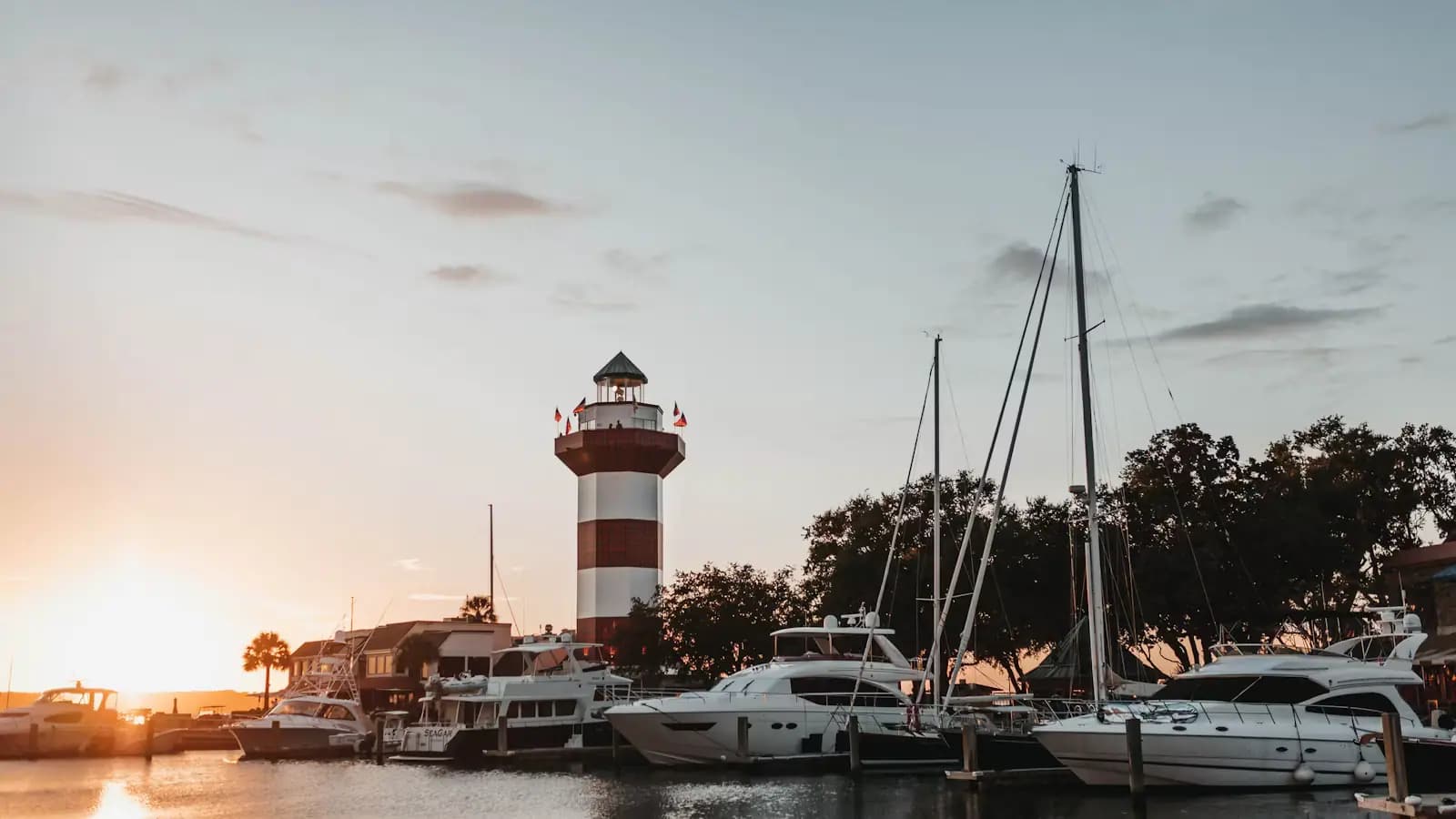
US 90, which everybody calls the beach road, runs the length of the south shore. Sand and water on your right heading west; casinos, the lighthouse, the Town Green, the ballpark and Beauvoir on your left. Interstate 10 runs parallel a few miles inland for when you actually want to move, and Interstate 110 drops off it, crosses the Back Bay and delivers you onto the peninsula next to the casinos.
Four places are worth fixing in your head now, because they are the four directions your days will run in:
- Downtown, around the Town Green and the visitors centre, at the middle of the beach road.
- Point Cadet, the far eastern tip, where the small craft harbour, the seafood museum and the schooner pier sit together. Five minutes from the casino strip and most visitors never go.
- Ocean Springs, over the bay bridge to the east. An arts town with the coast's best walkable downtown.
- Gulfport, twenty minutes west. The airport, the aquarium, and the ferry dock for Ship Island.
That last one catches more first-timers than anything else in this guide. The boat to the island does not leave from Biloxi.
The four things this city actually is
A casino city, by law, since 1990
Mississippi legalised dockside gaming that June, and the first casino on this coast opened in 1992. For fifteen years the floors had to float, which is why the pre-2005 casinos were barges moored against the shore. After Katrina destroyed them the legislature allowed coastal casinos to rebuild on land within eight hundred feet of the water, and the strip you see now is the result of that single change in the law.
A seafood city, and not in a decorative way
The first cannery opened in 1881, the two-masted Biloxi schooners worked the reefs under sail into the twentieth century, and the city called itself the Seafood Capital of the World with some justification. Vietnamese families arrived for cannery work from the late 1970s, bought boats, and became a large share of the Mississippi shrimping fleet. That is a live industry, not a heritage display.
A city shaped by 29 August 2005
Katrina's surge took the waterfront. Almost everything you will look at along the beach road is younger than 2006, several well-known places were never rebuilt, and people died here. There is a memorial on the Town Green. We have given this its own page rather than reducing it to a paragraph.
A national seashore city
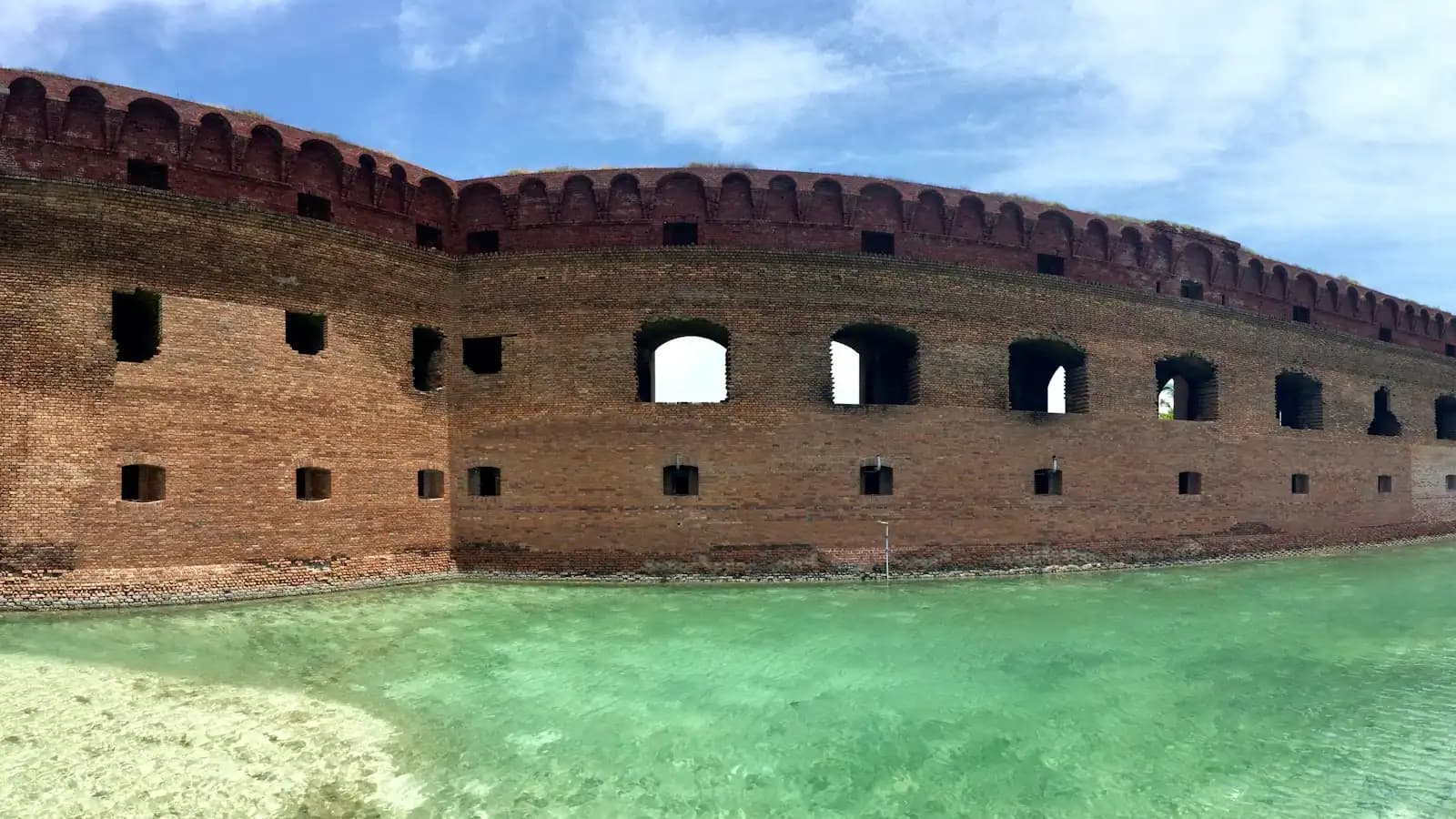
The clear Gulf water everyone came for is twelve miles offshore at Ship Island, which is federal parkland with a brick fort on it and no road to it.
Three nights, done properly
| When | Do this | Why |
|---|---|---|
| Day 1, afternoon | Lighthouse, Town Green, Katrina Memorial, visitors centre | All within a few blocks downtown, and it frames everything else |
| Day 1, evening | Walk the bay bridge path at sunset, then eat in Ocean Springs | Free, a mile and a half over open water, and the best dinner street on the coast |
| Day 2, all day | Ship Island by ferry from Gulfport | The only place you see actual Gulf water. Mid-March to October only |
| Day 2, evening | Casino floor, a showroom, or neither | Parking is generally free. Nobody will mind if you just look |
| Day 3, morning | Maritime and Seafood Industry Museum at Point Cadet | The story the city is named for, told properly |
| Day 3, afternoon | Ohr-O'Keefe Museum of Art, then Beauvoir if you want the harder history | Fifteen minutes apart on the beach road |
If you only have two nights, cut day three and keep the island. If the ferry is not running, swap in Ocean Springs for a full day and the Walter Anderson Museum.
What it costs, honestly
Biloxi is cheap by American coastal standards and that is the quiet reason to come. Midweek in winter, a room on the beach side of US 90 costs less than a chain motel does inland in July. The casinos are competing with each other for people who will spend money inside the building, so the room is the loss leader.
Parking is generally free, including valet at most resorts, and you do not have to be a guest. Museum admissions here sit in the modest single-figure to low-teens band rather than the thirty dollars a big-city institution charges. The beach costs nothing and never fills up.
The expensive items are the ones involving a boat: the island ferry, a fishing charter, a private trip on the Sound. Everything on this coast is revised season to season, so treat every figure you read anywhere as a band and confirm it with the operator.
What first-timers get wrong
- Assuming the ferry leaves from Biloxi. It sails from Jones Park in Gulfport, a twenty-minute drive west, and only from about mid-March to the end of October.
- Expecting clear water off the beach road. The Sound is shallow, brackish and tea-coloured because several river systems drain into it. That is geography, not pollution.
- Booking September without reading the cancellation terms. This is the statistical peak of hurricane season on this coast. Pay for the refundable rate.
- Turning up in the first week of October by accident. Cruisin' the Coast fills every room from Bay St Louis to Pascagoula. Published 2026 dates are 4 to 11 October.
- Staying inside one building. The casino resort is comfortable and it is not the city. Point Cadet is five minutes away.
- Skipping Ocean Springs because it is technically a different town. It is fifteen minutes and it is part of the trip.
Where to base yourself
The casino strip on US 90 is the obvious choice: modern rooms, lifts, restaurants, and you can walk between several properties. It is also a strip of large buildings beside a four-lane highway, and that is what you will see from the window.
Downtown Biloxi puts you near the lighthouse, the Town Green and the Amtrak platform, which matters if you are arriving by train from New Orleans without a car.
Ocean Springs is the choice for people who would rather walk to dinner than drive to it, at the cost of fifteen minutes each way to everything on the Biloxi side.
Gulfport makes sense for one specific reason: you are doing the island and want to be near the boat.
Do not overthink it. The whole destination is thirty miles end to end and the drive along the water is the nicest part of the day.
Getting here, and whether you need a car
Three airports serve this coast and the cheapest is rarely the closest. Gulfport-Biloxi International is twenty minutes away with rental counters inside the terminal, and it is small enough that you are driving within a quarter of an hour of landing. New Orleans is about an hour and forty minutes west on Interstate 10 and usually far cheaper with a much deeper schedule. Mobile is roughly an hour and a quarter east and worth checking only when a connection lands well.
Since 18 August 2025 there is a fourth option. Amtrak's Mardi Gras Service runs two daily round trips between New Orleans and Mobile, stopping in Biloxi, and it is the first scheduled passenger rail on this line in about two decades. For a car-free weekend on the casino strip it is genuinely the best way in. Confirm the current timetable rather than a figure you read last year: it is a young service sharing track with freight.
Do you need a car? For a casino weekend, no. For everything this guide recommends, yes. The museums, the ferry dock, Beauvoir and Ocean Springs sit in four different directions, and nothing connects them on foot.
The short version on timing
April, May and October are the best weeks of the year here, and October is the one to book first if the water matters to you. The Sound is still warm, the humidity has finally let go, and the island ferry runs to the end of the month.
Summer is hot, wet and loud, with thunderstorms most afternoons and a heat index well above the air temperature. It is also when every boat is running and the island is at its busiest.
Winter is the value season and it suits this city better than you would expect, because the best of Biloxi is indoors: the casino floors, the museums, Carnival season from Twelfth Night through Fat Tuesday. Nobody swims. Rates midweek in January are the lowest of the year.
Two weeks to check against your dates before booking anything: the first full week of October, when Cruisin' the Coast takes over the whole coast, and whichever week Mardi Gras falls in, because it moves with Easter.
Last updated
Opening hours, ordinances and prices move with the season. We re-check this guide rather than rewrite it, and the date above is the last time someone did. How we research and correct.